




Brown Glazed Terracotta
Brown glazed terracotta brings warmth and utility to interiors and gardens through rich earthenware surfaces shaped across centuries.
Brown Glazed Terracotta
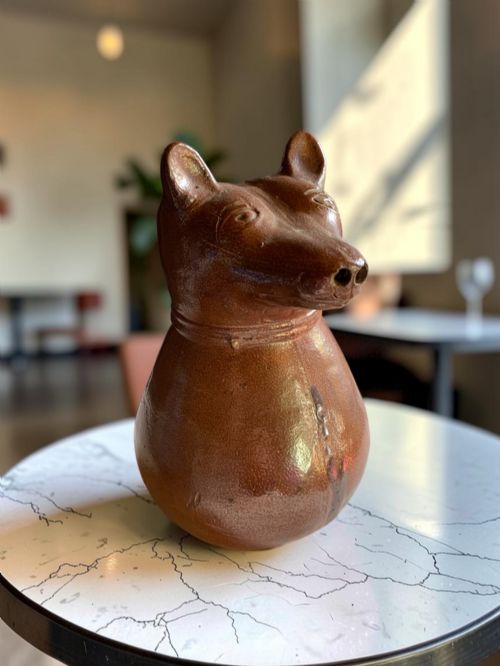
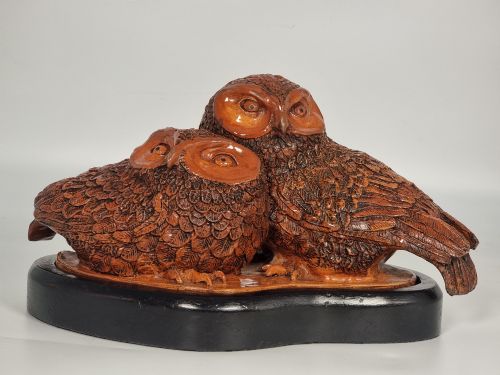
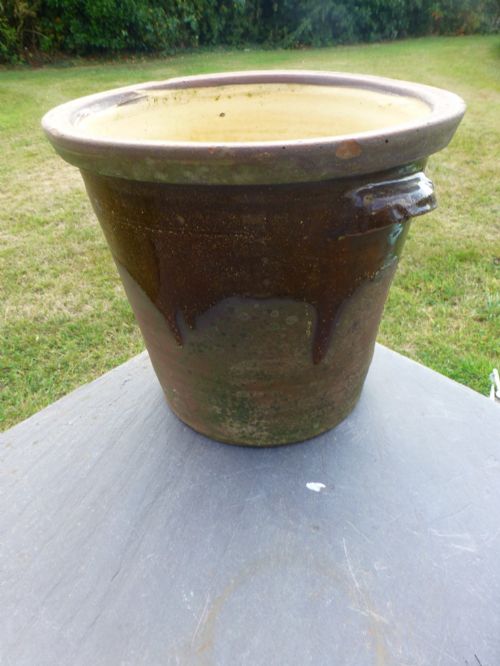
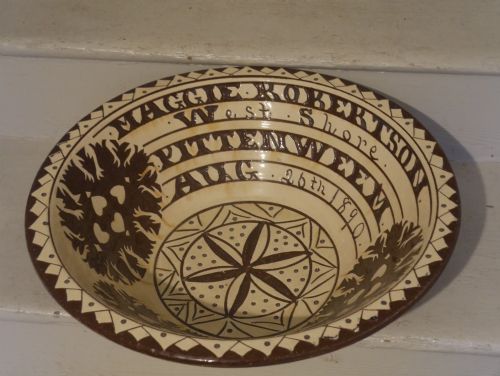
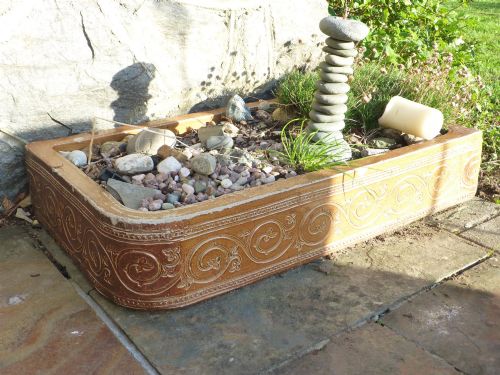
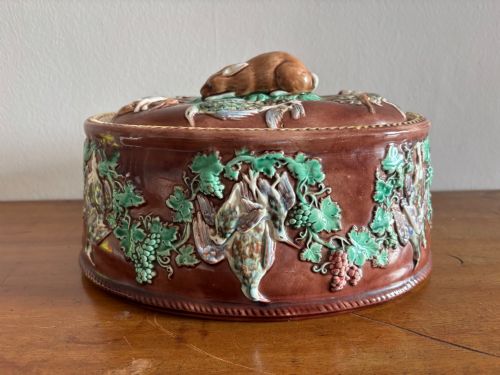
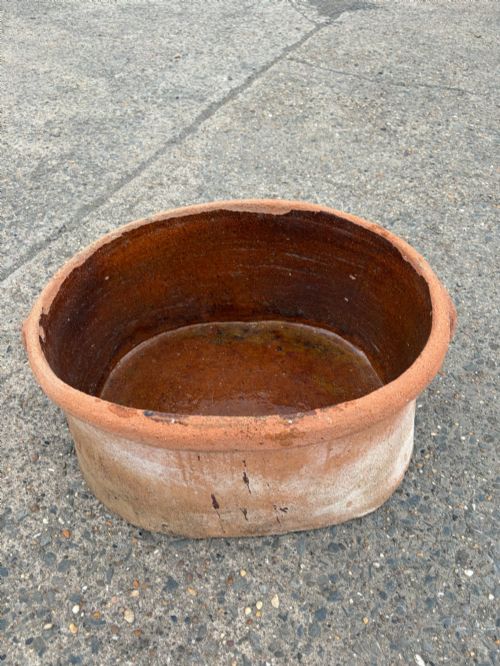
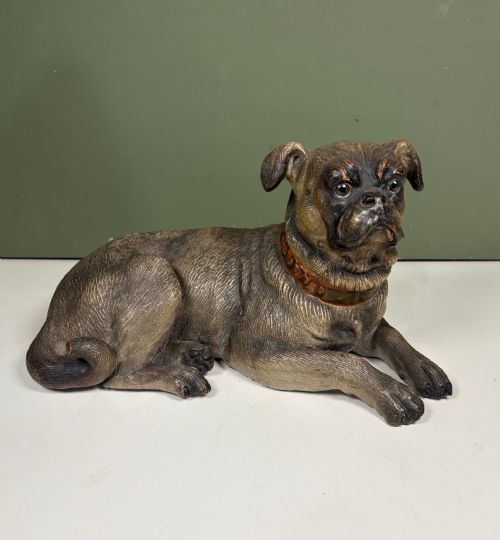
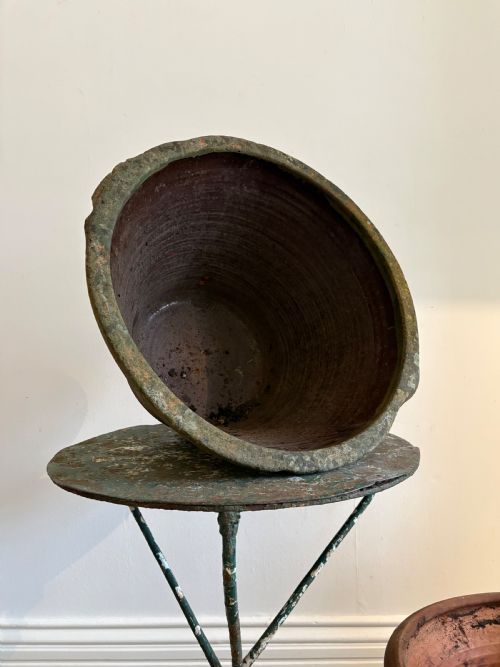
When you search for brown glazed terracotta, you encounter robust vessels and figures designed for both practical utility and decorative display. The selections span from large dairy bowls and salting crocks to garden planters and sculptural ornaments.
Nineteenth century examples dominate the available forms, reflecting an era when durable ceramics served essential daily functions in dairies, kitchens, and gardens. Scottish potteries, North Devon kilns, and French workshops all contributed distinct regional variations to this category.
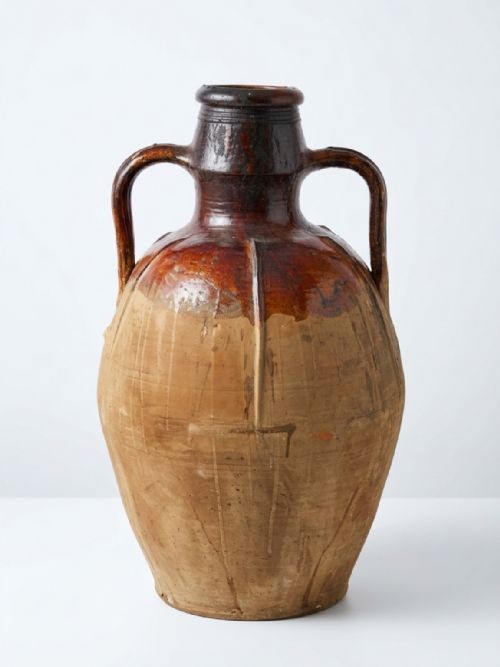
Domestic and garden pieces often feature interior or exterior glaze applications to ensure water resistance while exposing the natural red or buff body elsewhere. Their enduring appeal lies in this combination of earthy structural warmth and functional utility.
Materials and construction methods
Potters shaped natural clay bodies, primarily terracotta and earthenware, on wheels or into moulds to create sturdy vessels, planters, and figurative sculptures. These forms were then fired to achieve biscuit hardness before receiving specialist surface treatments.
Application of slip, salt glaze, or pottery glaze sealed the porous clay body for practical use in food storage, dairy work, or horticulture. Some pieces utilised contrasting dark glazes over pale bodies to create striking visual depth on domestic wares.
Brown Glazed Terracotta Retail Price Guide 2026
Typical asking prices for brown glazed terracotta among the pieces listed under this phrase on Sellingantiques today, from the lower quarter to the upper quarter. They describe what is for sale here now, not the wider market.
Listings feature nineteenth-century items alongside seventeenth-century slipware jugs and twentieth-century studio pottery.
Markers of distinction and craftsmanship
Quality rests upon the crispness of modelling in figurative works and the structural integrity of large utilitarian vessels like garden jars and dairy bowls. Superior items display balanced proportions, even glaze distribution, and deliberate attention to decorative detail.
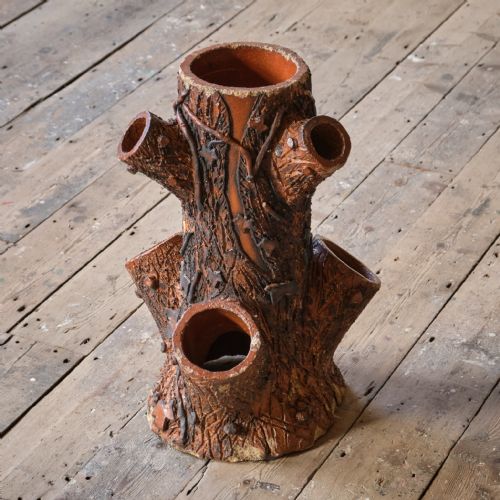
The distinction between standard utility items and exceptional pieces often appears in surface texture, such as realistic faux bois moulding or hand-sculpted elements. Maker attribution or regional provenance further elevates pieces originating from notable historic potteries.
Seaton Pottery·Royal Dux·Wedgwood·Guichard Carriès
The Brown Glazed Terracotta Glossary
- Terracotta
- A porous brownish-red earthenware clay that is fired at relatively low temperatures. It remains unglazed or partially glazed depending on its intended domestic or horticultural use.
- Faux bois
- A decorative technique mimicking wood grain and natural timber textures, frequently utilised on nineteenth-century garden planters and strawberry pots.
- Dairy bowl
- A wide, shallow earthenware vessel used historically for setting milk and separating cream. Interiors typically feature a smooth glaze to facilitate cleaning.
- Salt-glazed stoneware
- Pottery finished by throwing common salt into the kiln during high-temperature firing, producing a characteristic textured glaze resembling orange peel.
- Slip glaze
- A liquid clay mixture applied to the surface of greenware or bisque pottery to impart colour and smooth the porous body before final firing.
Brown Glazed Terracotta: Frequently Asked Questions
How were brown glazed terracotta dairy bowls used?
Dairy bowls served as shallow vessels where fresh milk sat to allow the cream to rise naturally to the top for skimming. Their glazed interiors prevented milk fats from soaking into the porous earthenware.
Today, these substantial bowls find new life as decorative table centrepieces, fruit storage, or low planters in homes and gardens.
Can antique terracotta planters stay outside in winter?
Historic earthenware and terracotta absorb moisture, which expands when temperatures drop below freezing and can cause the clay to crack or spall. Protecting older vessels indoors during harsh winter months preserves their structural integrity.
If left outdoors, raising planters off the ground on pot feet helps prevent standing water from freezing against the base.
What is the difference between terracotta and stoneware?
Terracotta uses earthenware clay fired at lower temperatures, leaving the material porous unless sealed with an interior or exterior glaze. Stoneware employs denser clay fired at much higher heat until vitrified and completely non-porous.
Many nineteenth-century utilitarian pieces combine these traditions by applying rich glazes over sturdy terracotta or ceramic bodies.
How do I identify nineteenth-century faux bois planters?
Nineteenth-century faux bois items feature hand-modelled surfaces designed to resemble knotted tree bark, cut logs, or rustic branches. Makers achieved this trompe l'œil effect by working directly onto the wet terracotta clay before firing and glazing.
These whimsical garden containers became immensely popular during the Victorian era for displaying strawberries, ferns, and flowering plants.