



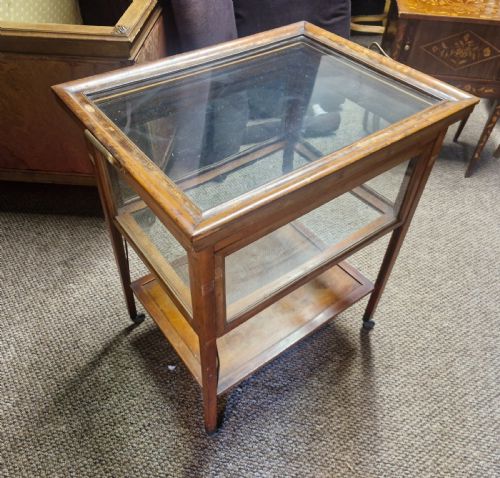


Brown Glass Vitrine Table
A brown glass vitrine table brings tabletop display and fine cabinet-making together, offering a dedicated surface to present collections safely under glass.
Brown Glass Vitrine Table
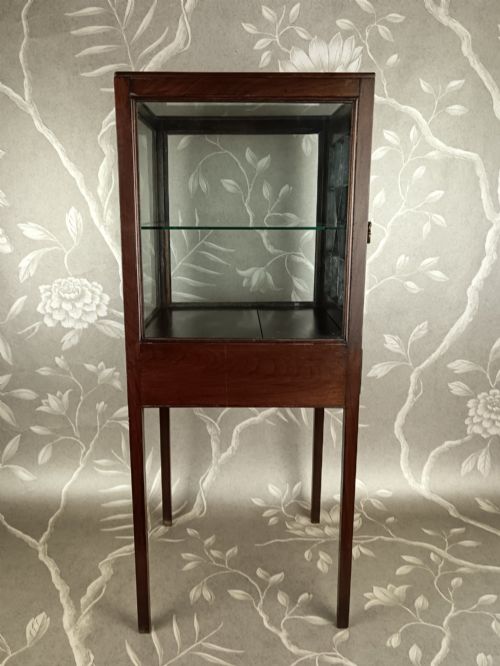
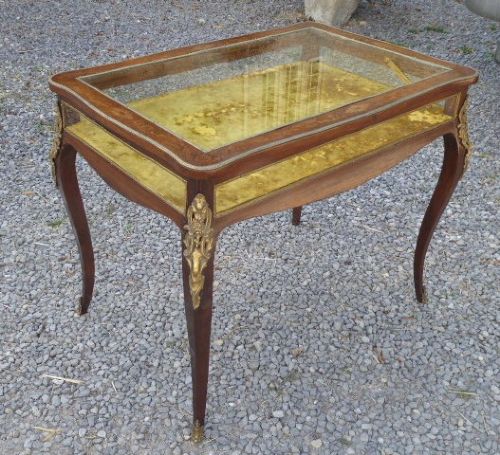
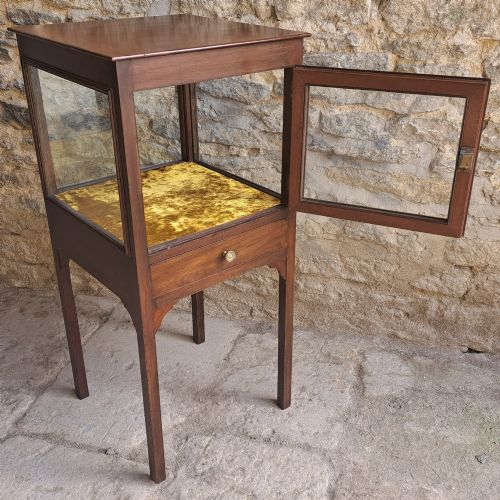
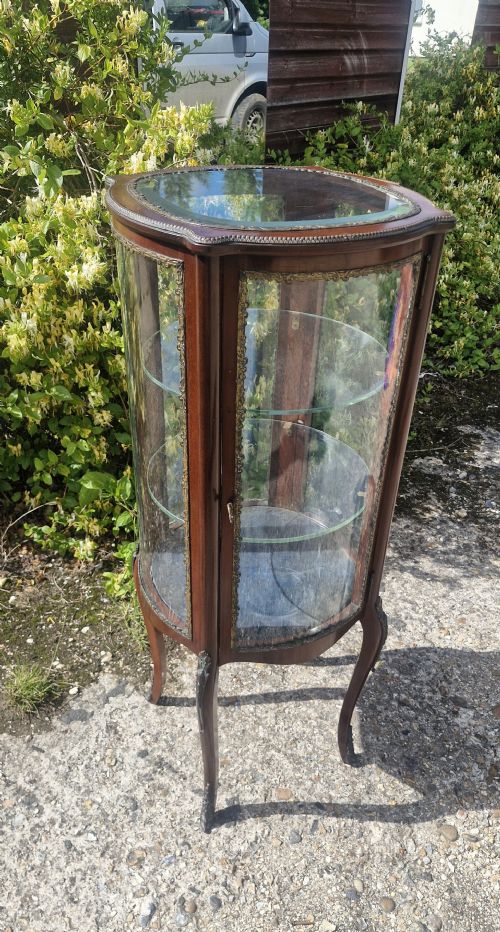
A brown glass vitrine table is fundamentally a display piece designed to showcase small treasures, jewellery, and curiosities beneath a glazed top. These items combine the utility of a traditional table with the enclosed security of a cabinet, taking the form of bijouterie tables, display cabinets, and occasional tea trolleys.
The versions most frequently met on this page date from the Edwardian era and the late nineteenth century, alongside earlier Georgian and Victorian examples. They appear in diverse shapes, including oval, kidney-shaped, octagonal, heart-shaped, and serpentine forms.
Makers utilised rich timber frames to house the transparent viewing areas, often incorporating hinged or lift-off glass lids. This design allows objects to be viewed from above while remaining protected from dust and handling.
Materials and Construction
Construction relies heavily on solid and veneered timbers such as mahogany, kingwood, rosewood, and satinwood, frequently enhanced with intricate marquetry and inlaid details. These wooden frames provide the structural integrity required to support glazed viewing compartments and slender legs.
Glass forms the pivotal display medium, paired with metal mounts in brass, ormolu, and gilt-bronze to accent the edges, hinges, and legs. Interior surfaces are frequently lined with velvet or other fabrics to cushion delicate items placed inside.
Brown Glass Vitrine Table Retail Price Guide 2026
Typical asking prices for brown glass vitrine table among the pieces listed under this phrase on Sellingantiques today, from the lower quarter to the upper quarter. They describe what is for sale here now, not the wider market.
Recorded forms range from standard rectangular display cabinets to heart-shaped, kidney-shaped, and octagonal bijouterie tables.
Assessing Quality and Craftsmanship
Quality rests upon the crispness of the timber inlay, the precision of the marquetry, and the selection of figured veneers such as mahogany and kingwood. Superior pieces exhibit seamless joinery and balanced proportions across intricate shapes like kidney-shaped or serpentine frames.
The refinement of the metal mounts, whether brass, ormolu, or gilt-bronze, distinguishes finer examples from standard production. Heavier, finely chased mounts and carefully fitted glass lids indicate higher workshops standards during manufacture.
The Brown Glass Vitrine Table Glossary
- Vitrine
- A glass-fronted or glass-topped cabinet used for displaying fine objects and curiosities. They protect delicate items while allowing clear all-round visibility.
- Bijouterie table
- A specialised display table featuring a glazed compartment beneath the top surface for jewellery and small ornaments. These pieces typically stand on slender legs.
- Ormolu
- Gilded bronze mounts applied to furniture for decorative effect. The technique was widely utilised on French and English display pieces.
- Marquetry
- Decorative woodwork where pieces of veneer are fitted into a ground to form floral or geometric patterns. It enhances the visual depth of mahogany and satinwood surfaces.
- Whatnot
- A piece of open shelving furniture designed for displaying ornaments and small objects. Some variations incorporate enclosed display sections.
Brown Glass Vitrine Table: Frequently Asked Questions
What is a bijouterie table?
A bijouterie table is an occasional table featuring a glass-panelled compartment built into the top. It was traditionally used in drawing rooms to display personal ornaments, medals, and small collection items.
The glass lid allowed guests to inspect delicate possessions without handling them directly, combining furniture utility with secure display.
How do I date an Edwardian display table?
Edwardian display tables often feature light satinwood or mahogany inlays, sometimes combined with painted floral decoration or Sheraton revival motifs. The construction tends to be lighter than earlier Victorian pieces.
Examining the internal linings, timber finishes, and brass hardware helps confirm the early twentieth-century manufacturing window.
Where were these tables used?
These tables were primarily placed in drawing rooms, parlours, or reception spaces of large homes. They served as conversation pieces where hosts could exhibit treasured curiosities to visitors.
Today, they function well in living spaces as coffee tables with storage or as dedicated display surfaces for modern collections.
What is the difference between a vitrine and a cabinet?
A vitrine places primary emphasis on glass panels for viewing contents from multiple angles, whereas a standard cabinet may feature solid wooden doors with internal shelving.
Table-height vitrines focus visibility through the top surface, while tall display cabinets present items vertically at eye level.