

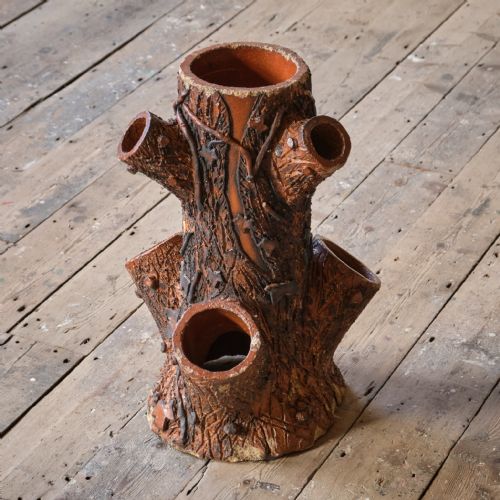


Brown Garden Pot
A brown garden pot brings earthy texture to outdoor planting, offering practical service and enduring structural presence.
Brown Garden Pot
A brown garden pot encompasses robust vessels designed for outdoor planting, ranging from simple troughs to ornate urns. When exploring a brown garden pot, buyers encounter utilitarian forms shaped for practical service alongside decorative receptacles intended for display.
The selections span distinct historical eras, including Georgian and Victorian periods, showcasing traditional craftsmanship. Pieces emerge in varied styles such as Victorian Rustic, French Art Nouveau, and Classical Revival, reflecting changing garden aesthetics over centuries.
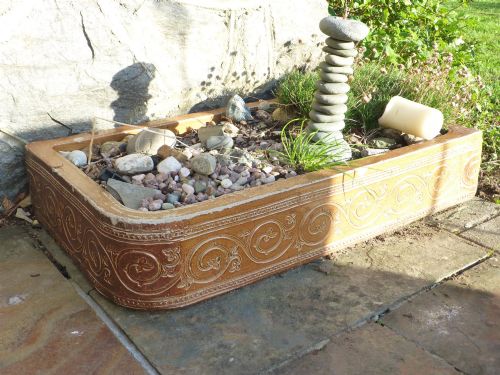
Formations take shape as garden planters, garden urns, troughs, mortars, amphorae, and jardinieres. These vessels serve terraces, courtyards, and garden borders with functional planting space and grounded visual weight.
Materials and construction methods
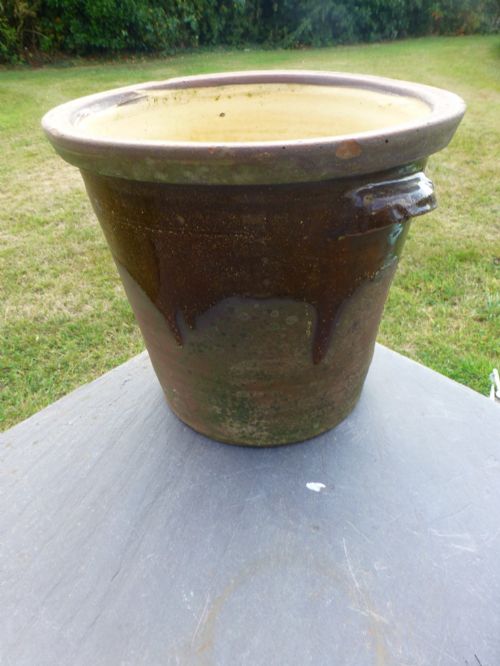
Makers utilised terracotta, earthenware, and clay, firing these natural materials to create porous vessels suited for horticulture. Salt-glazed stoneware provided a dense, impervious surface that resisted frost and retained moisture effectively.
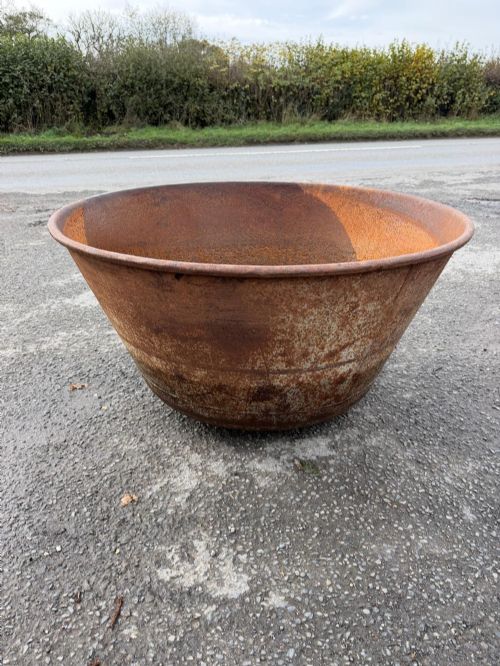
Cast iron offered an alternative for heavy-duty planters and urns, lending structural rigidity and industrial durability to outdoor displays. Sandstone was carved directly into heavy mortars and troughs, utilising stone for permanence.
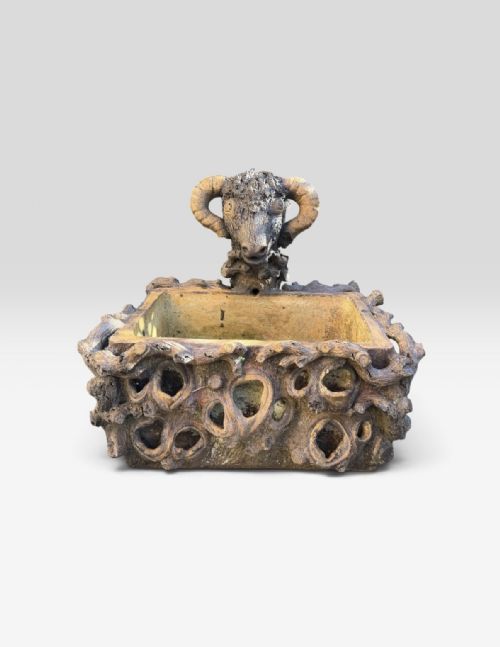
Potters applied glazes to seal surfaces or add decorative sheen, whilst artisan modellers sculpted naturalistic details such as faux bois textures mimicking tree bark.
Brown Garden Pot Retail Price Guide 2026
Typical asking prices for brown garden pot among the pieces listed under this phrase on Sellingantiques today, from the lower quarter to the upper quarter. They describe what is for sale here now, not the wider market.
Distinctions in quality and execution
Quality rests upon the skill of the modeller and the integrity of the material firing process. Finer pieces display deliberate proportion, balanced form, and carefully rendered decorative details rather than hurried mass production.
The sophistication of surface finishes distinguishes exceptional vessels from standard utilitarian wares. Rich salt glazes, consistent terracotta tones, and finely executed naturalistic textures elevate the visual impact of the piece.
Guichard Carriès
The Brown Garden Pot Glossary
- Salt-Glazed Stoneware
- Pottery fired at high temperatures where common salt is introduced into the kiln, producing a dense, glassy texture. This impermeable finish protects the vessel against frost damage in outdoor environments.
- Faux Bois
- Decorative technique mimicking wood grain and natural tree bark in ceramic, stone, or concrete. This rustic style became particularly popular during the Victorian era for garden ornaments.
- Terracotta
- Unglazed, brownish-red fired earthenware used extensively for horticultural vessels. Its porous nature allows air and moisture to pass through the walls, promoting healthy root systems.
- Jardiniere
- An ornamental pot or stand designed to hold growing plants or flowers. These vessels often feature decorative relief work and stand on terraces or within interior spaces.
- Amphora
- A tall ancient container featuring two handles and a narrow neck, adapted in later periods for garden ornamentation. These large vessels introduce classical proportions to landscape design.
Brown Garden Pot: Frequently Asked Questions
What plants suit a brown garden pot?
Terracotta and earthenware pots suit root systems requiring breathable soil conditions, such as geraniums, herbs, and small shrubs. Salt-glazed and glazed vessels retain moisture longer, benefiting plants that prefer consistent hydration.
Larger troughs and urns accommodate trailing plants, seasonal bulbs, and structural conifers. Pairing plant habit with the depth and material of the vessel ensures healthy growth.
How do I protect pots from frost?
Porous materials like terracotta absorb moisture that expands during freezing temperatures, risking cracks. Elevating pots on pot feet prevents water from trapping at the base and freezing against the ground.
Moving sensitive earthenware indoors or wrapping vulnerable stoneware during severe winter months prevents structural damage. Choosing frost-proof salt-glazed or cast iron options reduces winter maintenance.
How do I date an antique pot?
Dating relies on examining material composition, manufacturing marks, and stylistic indicators such as Victorian rustic moulding or Georgian proportions. Hand-thrown earthenware often shows historical tool marks and uneven wall thickness.
Patina, weathering, and mineral deposits accumulated over decades provide further clues to age. Comparing specific decorative motifs with documented historical periods clarifies the timeline.
Where should I position heavy planters?
Heavy stone, cast iron, and large terracotta planters require stable, level ground to prevent shifting or subsidence. Placing them on patios, reinforced terrace paving, or stone bases distributes their considerable weight safely.
Positioning pieces near structural focal points or garden pathways maximises their visual presence. Ensuring adequate drainage beneath the base prevents waterlogging and protects the supporting surface.