



Brown Framed Dog Picture
A brown framed dog picture brings canine character to a room, captured through oils, watercolours, and early prints.
Brown Framed Dog Picture
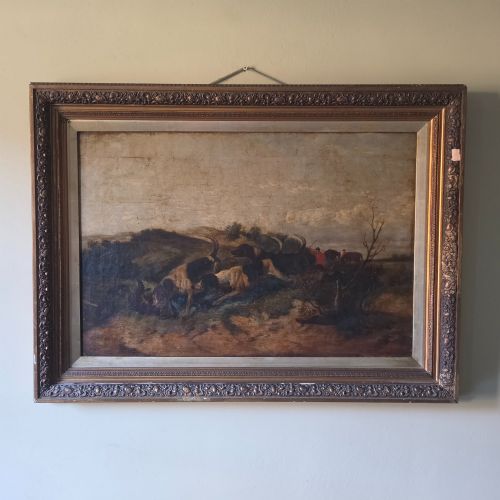
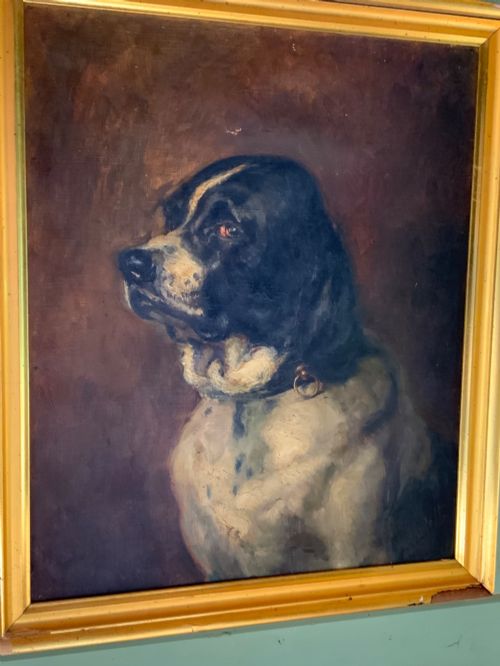
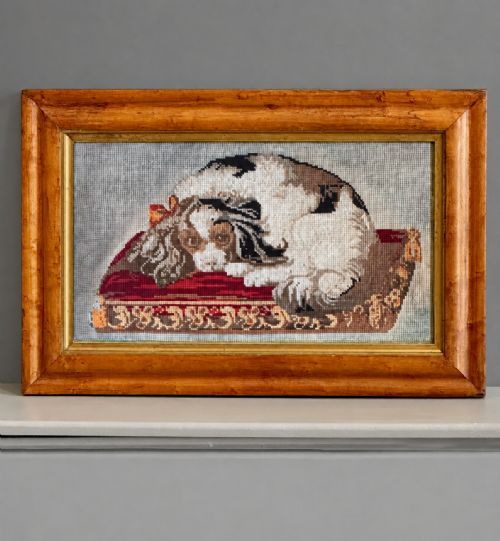
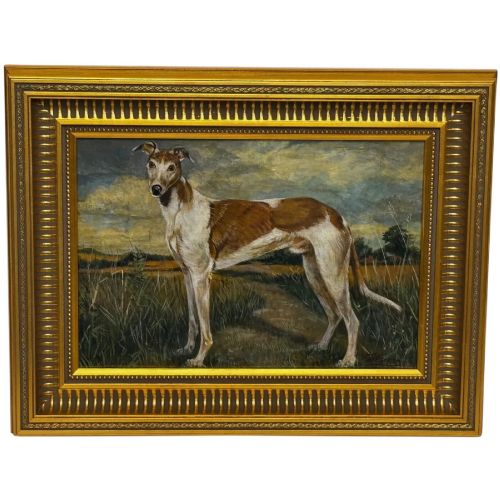
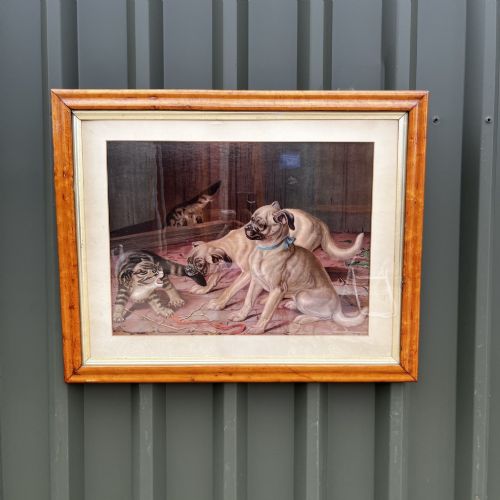
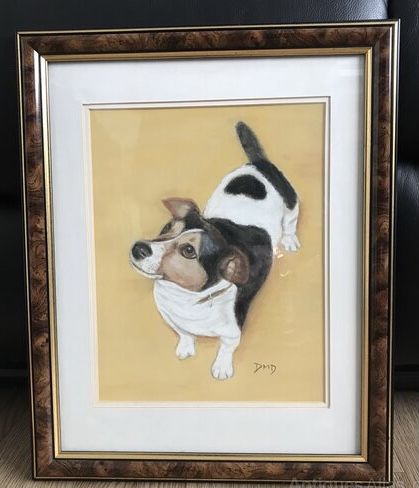
When searching for a brown framed dog picture, collectors encounter a diverse selection of canine art spanning several centuries. These pieces predominantly feature wooden frames, often rendered in burr maple or gilt, housing everything from detailed oil paintings to delicate watercolours and chromolithographs.
The subjects range from prized sporting hounds and working gundogs like pointers and retrievers to companion breeds such as King Charles spaniels and pugs. The Victorian period heavily influences this selection, alongside Edwardian and mid-century interpretations of British sporting art.
Buyers frequently find works depicting individual animal portraits or spirited scenes of terriers and lurchers within traditional country house settings. Each framed artwork preserves a specific canine likeness, often reflecting the domestic or sporting passions of its original period.
How they were made
Artists of these works employed oil paint on canvas or board, watercolour, and pastel on paper, alongside chromolithographic printing techniques for mass production. These mediums allowed for the fine rendering of fur texture, expressive eyes, and naturalistic landscape backgrounds.
The enclosing frames utilise traditional woodworking methods, employing timber such as maple, often finished with burr grain patterns or gilt detailing to complement the artwork. Glazing with protective glass is common for works on paper, safeguarding watercolours and pastels from environmental wear.
Brown Framed Dog Picture Retail Price Guide 2026
Typical asking prices for brown framed dog picture among the pieces listed under this phrase on Sellingantiques today, from the lower quarter to the upper quarter. They describe what is for sale here now, not the wider market.
Listings feature works created across the 19th and 20th centuries, including Victorian, Edwardian, and Georgian periods.
What varies in quality
The anatomical accuracy and expressive depth of the animal subject distinguish superior works from simpler decorative prints. Master hands capture the distinct musculature and personality of breeds like mastiffs and spaniels with remarkable psychological acuity.
The integrity and originality of the surrounding wooden frame contribute significantly to the piece's overall character. Period frames featuring matching burr maple veneers or original gilding elevate the presentation far beyond later replacements.
Horatio Henry Couldrey·John Emms·Samuel Raven·Sir Edwin Landseer·Henri Schouten·Samuel John Egbert Jones
The Brown Framed Dog Picture Glossary
- Chromolithography
- A planographic colour printing technique used to produce multi-coloured pictorial images. This method allowed popular artworks to be reproduced accurately for domestic display during the Victorian era.
- Berlin work
- A type of coloured wool embroidery worked on a canvas grid from printed pattern charts. These textile pieces frequently depicted domestic pets and were often framed for wall hanging.
- Sporting art
- A genre of painting and illustration dedicated to rural sports, horses, and dogs. It holds a distinct place in British art history, documenting prized hunting and working animals.
- Gilt
- A thin layer of gold leaf applied to wood or other surfaces to create a decorative metallic finish. It frequently adorns the wooden surrounds of 19th-century oil paintings.
- Burr maple
- A wood veneer taken from a maple tree excrescence, prized for its swirling, knotted grain patterns. It was a favoured material for framing decorative pictures in the 19th century.
Brown Framed Dog Picture: Frequently Asked Questions
What periods do these dog pictures cover?
The available selection spans from the Georgian era through the Victorian and Edwardian periods, extending into the mid-20th century. Earlier pieces often reflect traditional British sporting art, while later works show evolving domestic tastes.
Collectors will find that 19th-century examples dominate the offerings, showcasing everything from detailed oil portraits to needlework and printed works.
How do I care for framed watercolours?
Works on paper, including watercolours and pastels, require protection from direct sunlight to prevent fading of the pigments. Keeping them in stable humidity conditions prevents warping of the paper and damage to the underlying support.
Ensure the glass is clean and check that the backing boards remain secure to protect the artwork from dust and atmospheric pollutants.
What materials are the frames made from?
Frames are constructed primarily from wood, with many featuring distinctive burr maple veneers or applied gilt finishes. These materials were chosen to complement the domestic interiors of country houses during the 19th and early 20th centuries.
Some pieces retain their original wooden surrounds, which adds historical context and visual harmony to the artwork they enclose.
How are different dog breeds represented?
Artists depicted a wide variety of dogs, ranging from working lurchers, pointers, and mastiffs to companion breeds like King Charles spaniels and pugs. Sporting dogs often appear within landscape settings alongside their owners or engaged in rural pursuits.
Individual portraits capture the specific traits of curly-coated retrievers and terriers, reflecting the deep connection between owners and their animals across different eras.