

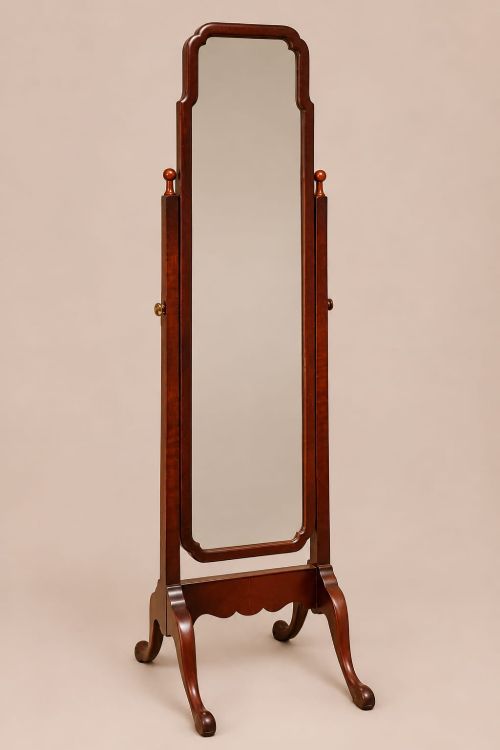
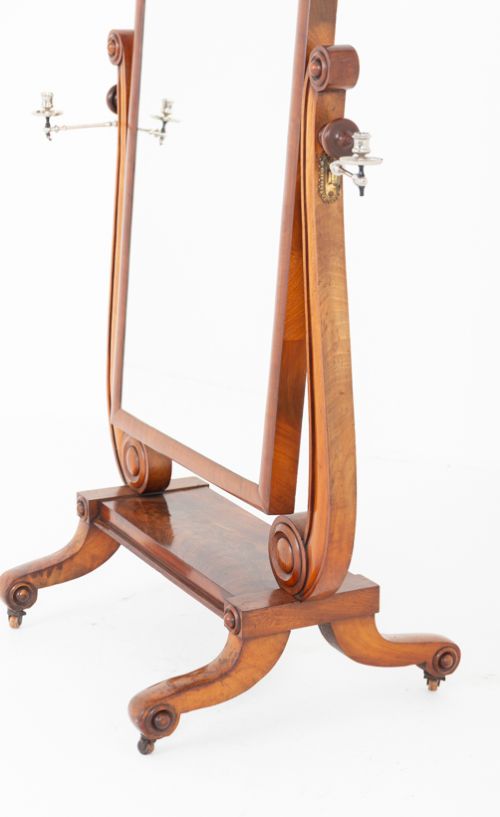
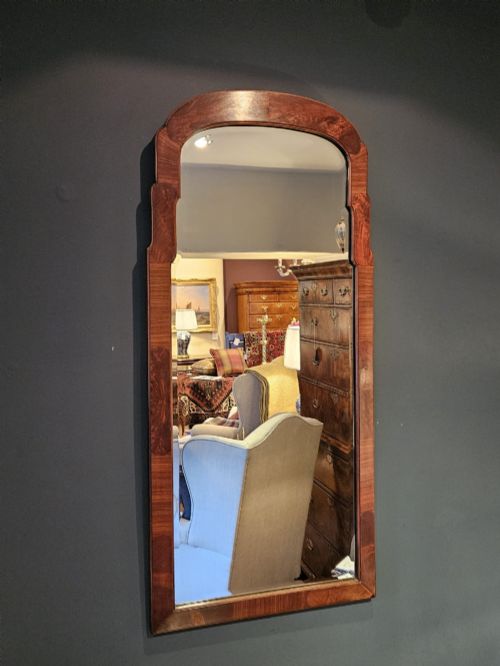
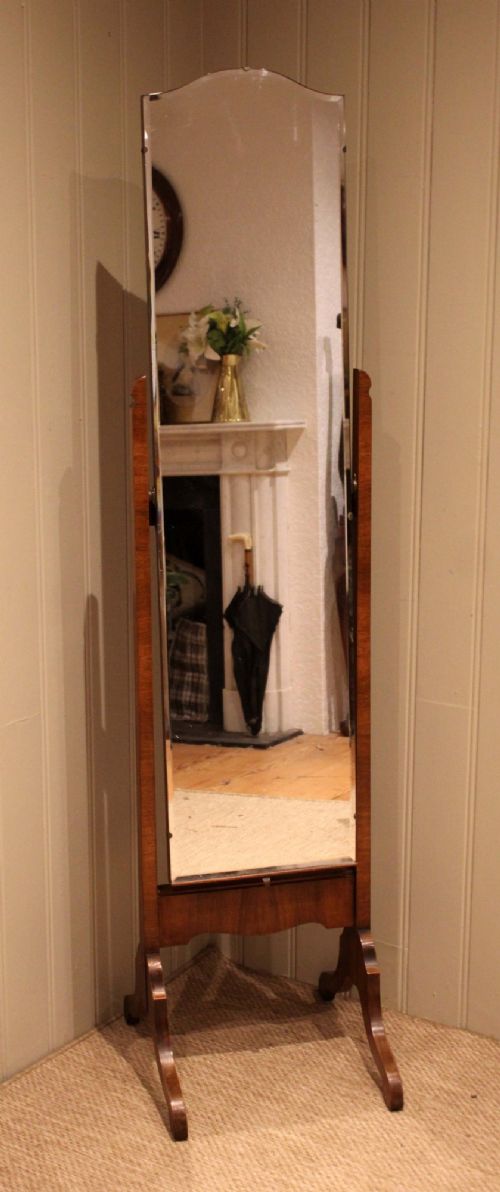
Brown Frame Mirror
A brown frame mirror brings warmth and depth to a room, offering rich wood tones and varied historical styles.
Brown Frame Mirror
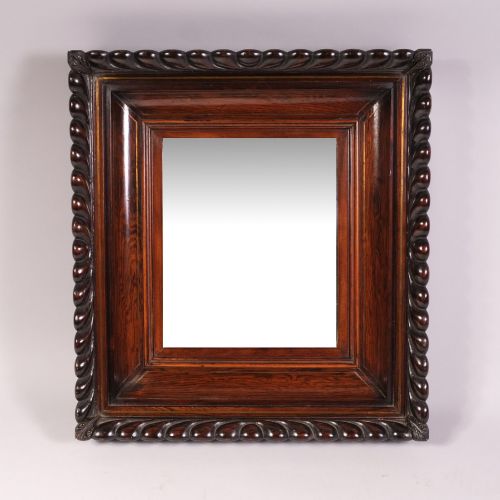
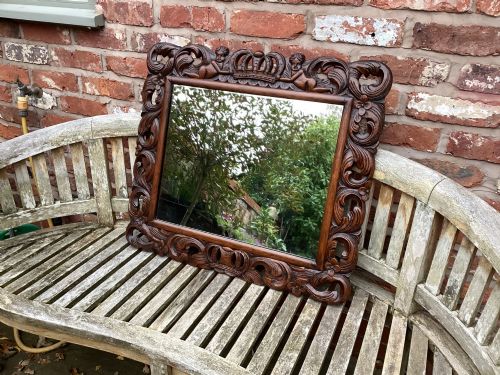
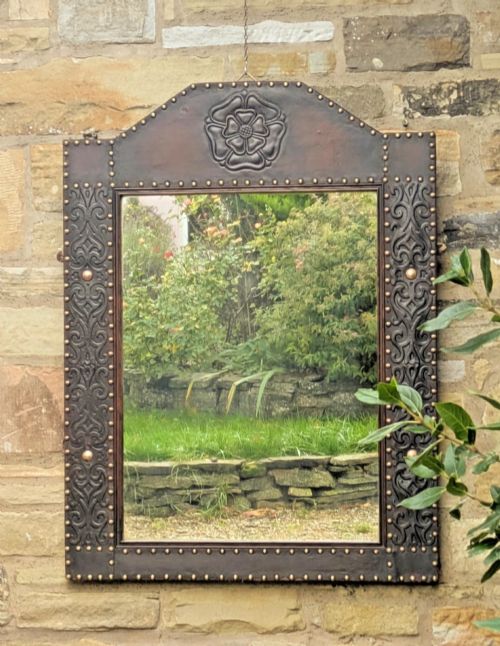
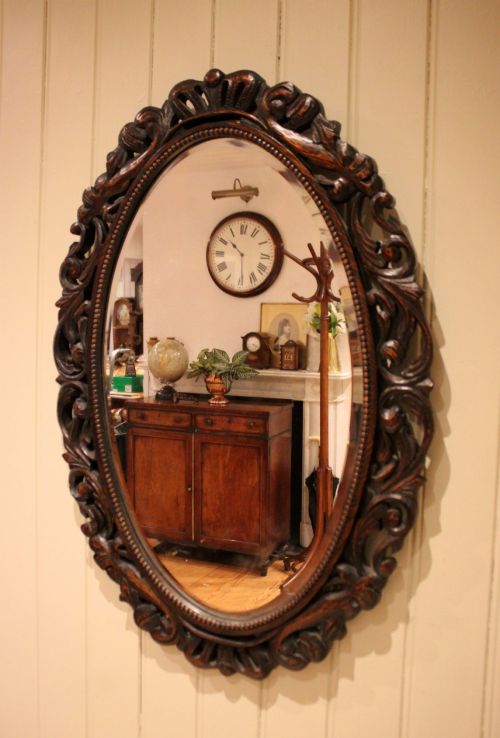
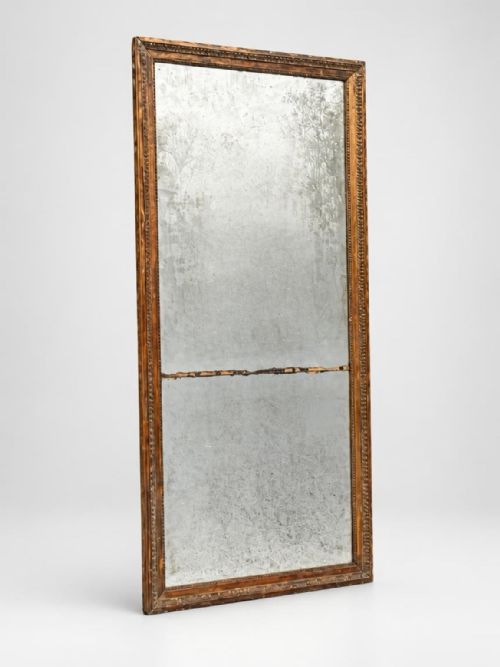
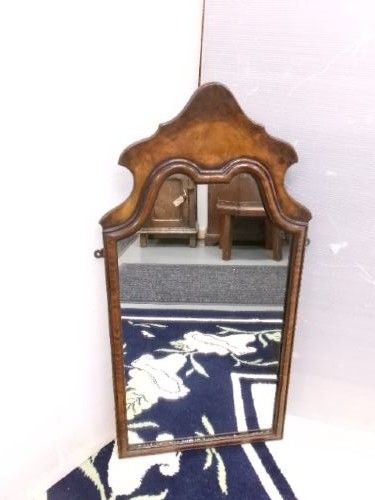
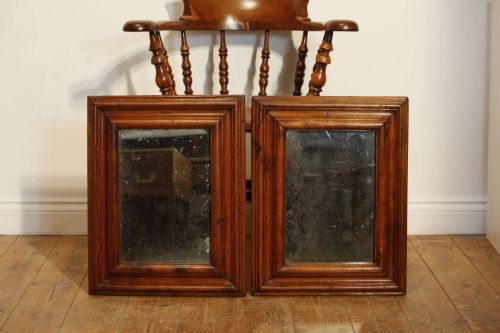
When you search for a brown frame mirror, you encounter pieces constructed from walnut, oak, mahogany, and burr walnut spanning multiple centuries. These pieces function as practical looking glasses and decorative wall or table furniture.
The selection ranges from 18th-century walnut and Georgian fretwork designs to Edwardian mahogany frames and early 20th-century oak wall mirrors. Wall mirrors, toilet mirrors, and overmantel mirrors appear frequently across the current listings.
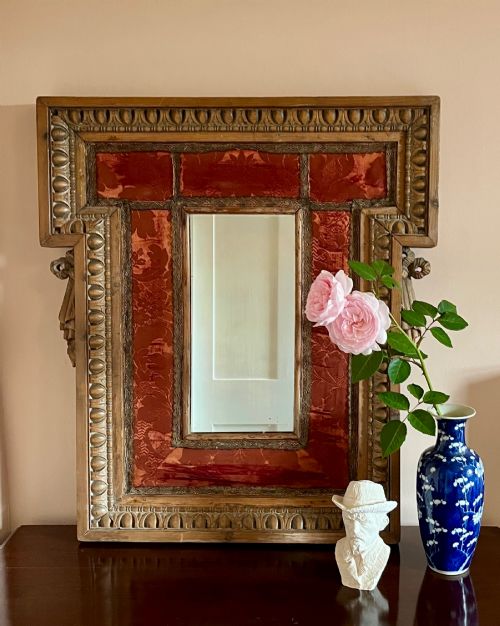
Makers and makers' regions span English workshops, French provincial centres, Anglo-Indian craft, and Italian production, providing distinct regional interpretations of wooden framing.
Materials and construction
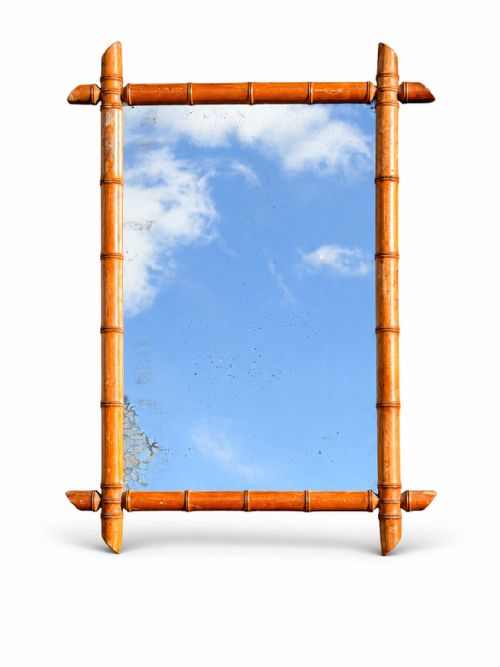
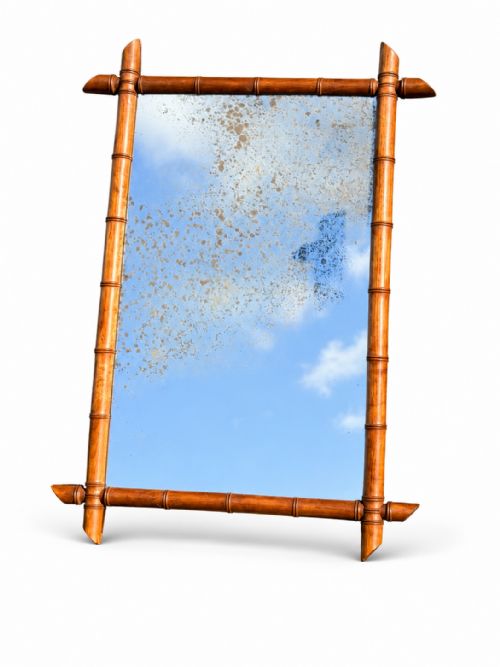
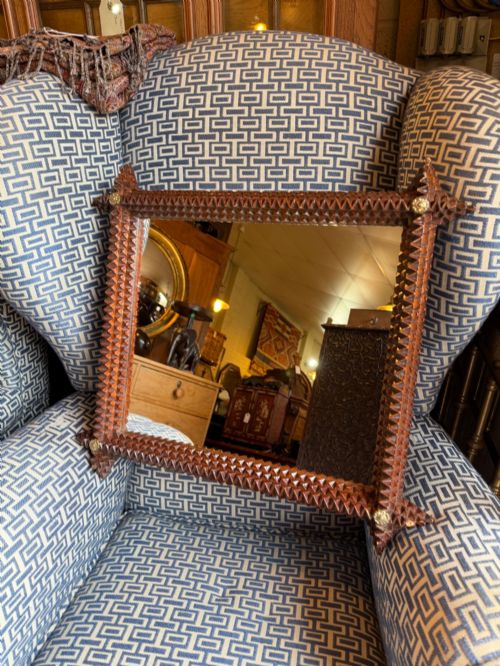
Frames rely heavily on dense hardwoods such as walnut, oak, and mahogany, often enhanced by burr veneers, laburnum, kingwood, or parcel gilt highlights. Certain examples incorporate specialised framing techniques like faux bamboo, tortoiseshell ripple moulding, and cork tramp art.
Glass plates are hand-bevelled or held with traditional backing methods, while joinery utilises period-appropriate pegging, marquetry inlay, and carved ornamentation. Brass hardware and inlaid details appear on dressing table and toilet mirrors to secure pivoting frames.
Brown Frame Mirror Retail Price Guide 2026
Typical asking prices for brown frame mirror among the pieces listed under this phrase on Sellingantiques today, from the lower quarter to the upper quarter. They describe what is for sale here now, not the wider market.
The listings include 18th-century walnut and Georgian styles alongside Edwardian mahogany and 1920s faux bamboo variations.
Distinguishing quality in wood-framed mirrors
Quality rests in the selection of timber figures, such as the richness of burr walnut or figured mahogany, and the crispness of hand-carved parcel gilt details or fretwork. Superior craftsmanship shows in tight joinery, original mirror glass where retained, and well-executed marquetry or brass inlay.
The depth of the frame profile and the integrity of the secondary woods dictate the structural longevity of wall and overmantel pieces. Examples attributed to notable firms or specific regional traditions display finer proportional balance and attention to decorative finish.
Waring and Gillow·P and MA Nicholson
The Brown Frame Mirror Glossary
- Parcel Gilt
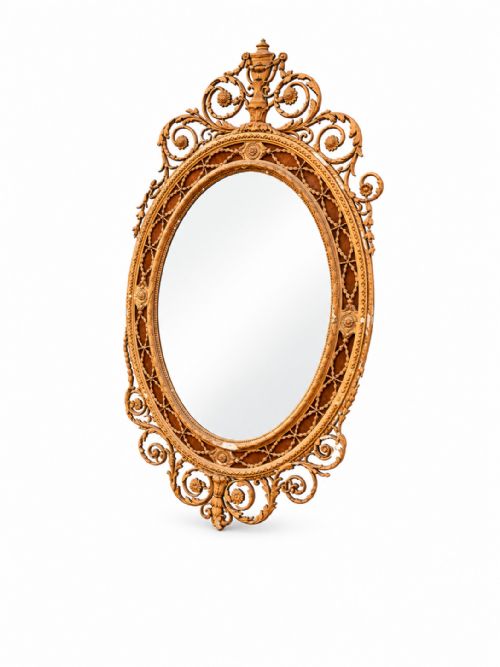
- Wood framing partially decorated with gold leaf or gilt paint to highlight carved details. This technique creates contrast against dark walnut or mahogany surfaces.
- Fretwork
- Openwork ornamentation cut from thin boards using a scroll saw or fretsaw. Georgian mahogany wall mirrors frequently employ this technique.
- Overmantel Mirror
- A large mirror designed to hang above a fireplace mantelpiece. These pieces often feature extended horizontal proportions and carved wooden framing.
- Toilet Mirror
- A smaller movable looking glass supported on a stand or small set of drawers, historically used on dressing tables.
- Trumeau
- A decorative wall mirror combined with a painted panel or carved artwork above the glass. French examples of this type appear in 19th-century styles.
Brown Frame Mirror: Frequently Asked Questions
How do I hang a heavy wooden mirror?
Heavy wall mirrors and overmantel mirrors require secure fixings anchored directly into wall studs or masonry using appropriate weight-rated brackets.
Ensure the hanging wire or integrated D-rings on the wooden frame match the weight distribution of the piece to prevent structural strain.
Where should I place an overmantel mirror?
An overmantel mirror sits naturally above a fireplace mantelpiece, where its proportions can anchor the surrounding wall space.
Positioning it at eye level reflects light across the room and creates a focal point that balances vertical and horizontal lines.
How do I clean an antique wooden frame?
Dust the wooden frame regularly with a dry, soft cloth to prevent buildup without introducing moisture to aged finishes.
Avoid chemical polishes and use a slightly damp cloth only when necessary, drying the wood immediately afterwards to preserve the polish.
How do I identify a Georgian mirror?
Georgian mirrors frequently feature mahogany or walnut frames with symmetrical fretwork cutouts, parcel gilt accents, and architectural pediments.
Construction details such as hand-bevelled glass plates and period timber backing boards help confirm the era of manufacture.