

Brown Extension Table
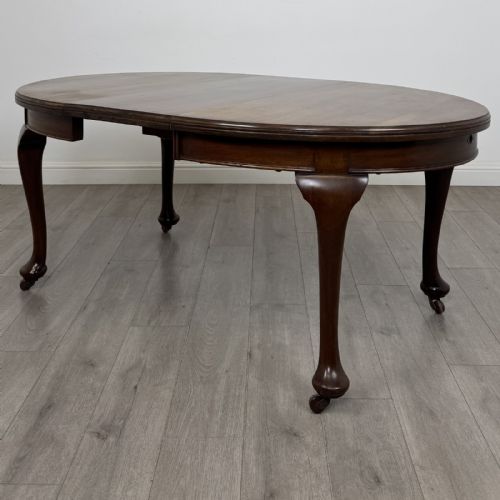
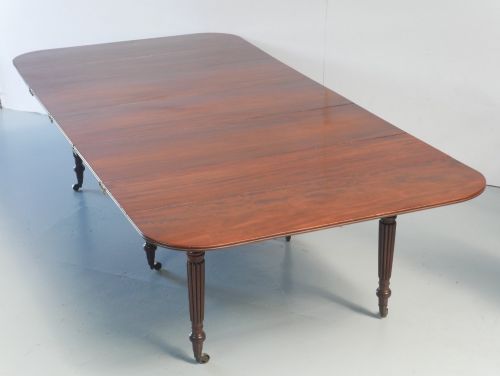
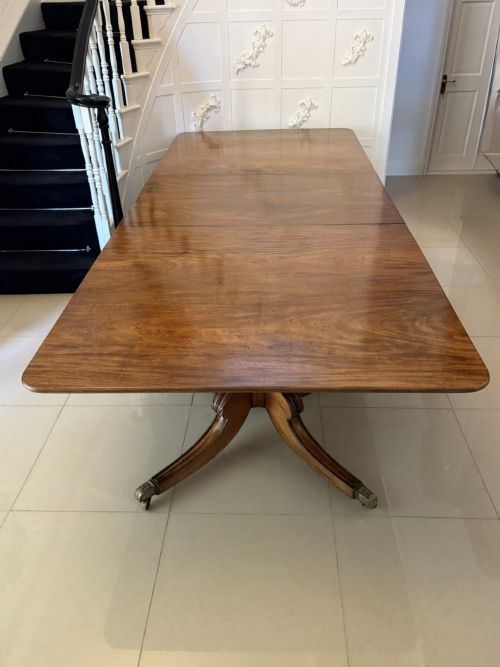
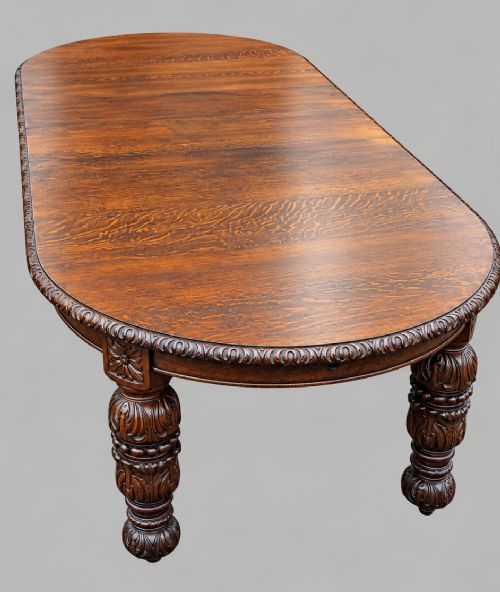
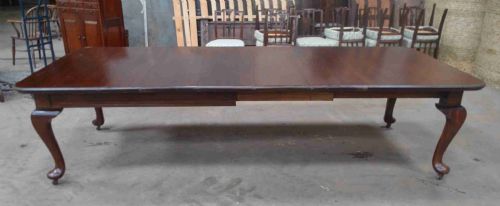
A brown extension table is a practical dining piece built to seat many, and you will find mahogany and oak versions ranging from the Regency period to the Victorian era.
Brown Extension Table
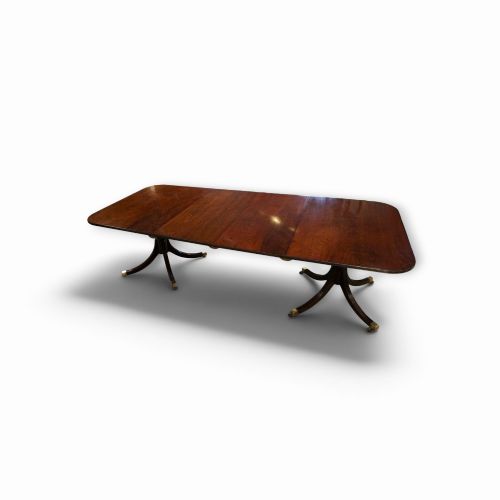
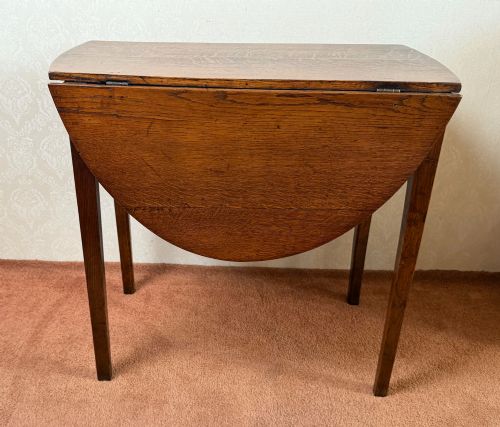
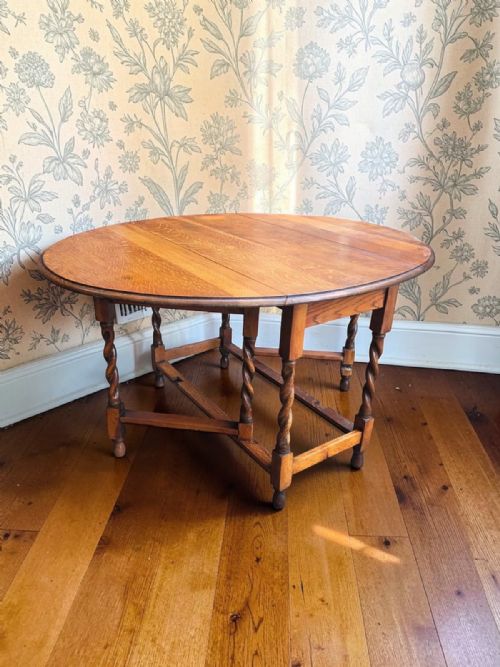
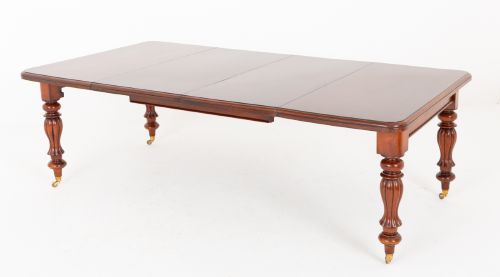
A brown extension table is primarily a dining table designed to expand with leaves or pull-out mechanisms to accommodate larger gatherings. The pieces on this page span several centuries, with particular strength in Victorian and Regency examples alongside 1920s revivals.
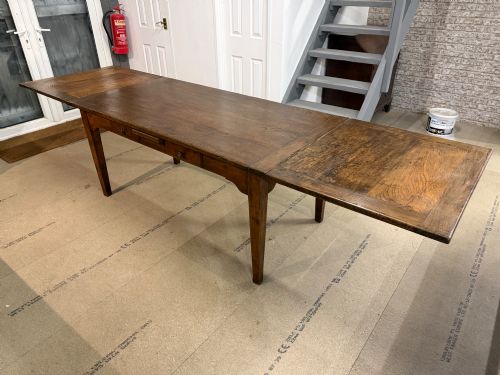
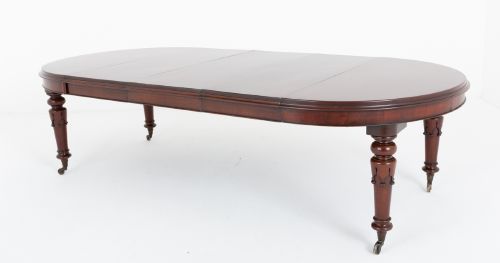
The selection includes specific mechanisms like wind-out systems and draw-leaf designs, often accompanied by extra leaves for flexible daily use. These tables serve as the functional centrepiece of traditional dining rooms.
What varies in quality
Quality rests on the selection of the timber, particularly how well the figured mahogany or oak grain is matched across the leaves and top. Superior pieces display thoughtful timber choice that creates a cohesive visual surface when fully extended.
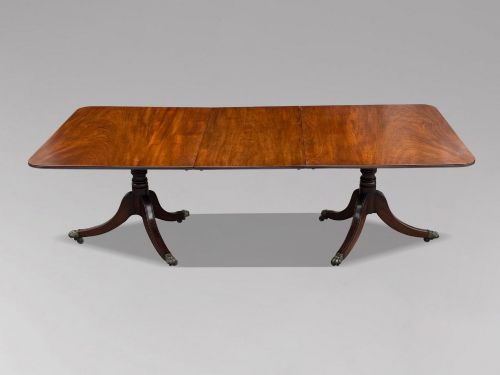
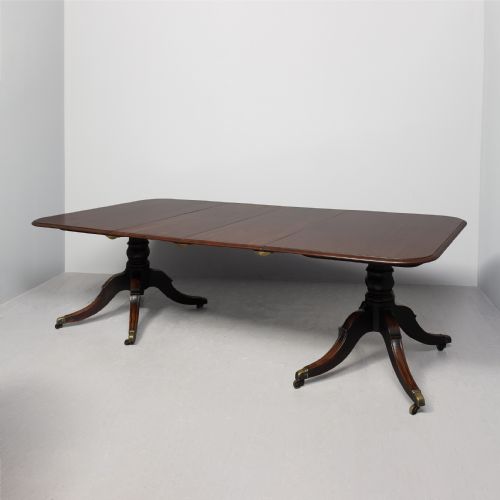
The engineering of the extension mechanism defines the standard of the piece, from smooth-running wind-out systems to stable pedestals that support heavy leaves. Finer tables maintain their structural balance and tight joints whether seated small or extended to capacity.
Brown Extension Table Retail Price Guide 2026
Typical asking prices for brown extension table among the pieces listed under this phrase on Sellingantiques today, from the lower quarter to the upper quarter. They describe what is for sale here now, not the wider market.
Some tables manage to host twenty-four diners without losing their manners.
Thomas Butler of London
The Brown Extension Table Glossary
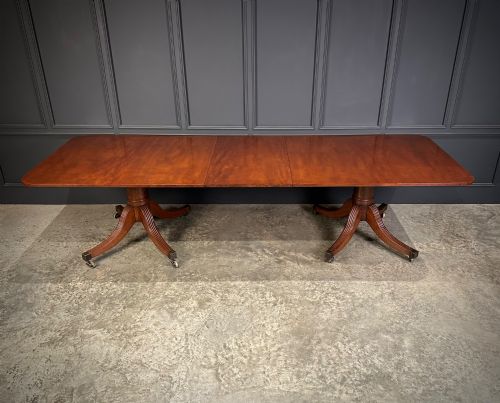
- Twin pedestal
- A table base consisting of two separate column supports, often with tripod legs, used to hold long dining tops.
- Draw-leaf
- An extension system where subsidiary leaves store beneath the main top and pull out from the ends.
- Wind-out
- A mechanical system operated by a handle that separates the table halves to insert central leaves.
- Gateleg
- A drop leaf table where hinged legs swing out like a gate to support the raised flaps.
- Reeded
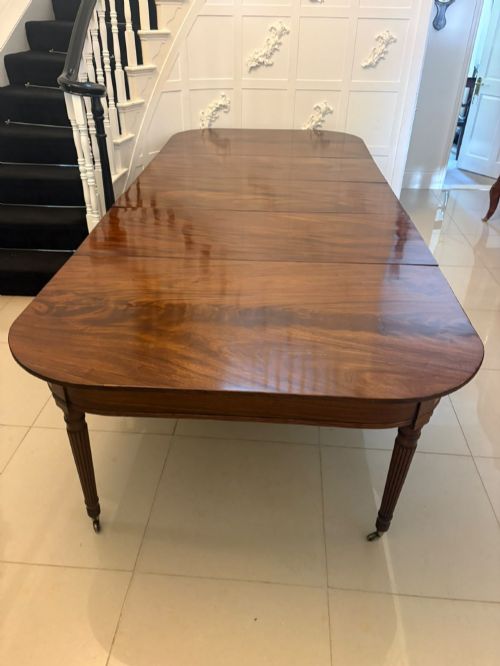
- A decorative moulding formed of parallel convex strips carved directly into the wood of legs or columns.
Brown Extension Table: Frequently Asked Questions
How do extension mechanisms work on antique tables?
Many period examples utilise a screw mechanism operated by a detachable metal handle that parts the table halves. Other pieces rely on pull-out leaves or draw-leaf systems stored directly beneath the main surface.
These systems allow the table to expand smoothly while maintaining stability across the central join when fully extended for guests.
Where should I place a large brown extension table?
These tables suit principal dining rooms or spacious kitchens where they can remain extended or close down for daily use. Ensure you allow sufficient clearance around the perimeter for chairs to pull out comfortably.
Positioning the table away from direct heat sources helps protect the polished mahogany or oak timbers and maintains the movement of the leaves.
How can I tell a Regency table from a Victorian one?
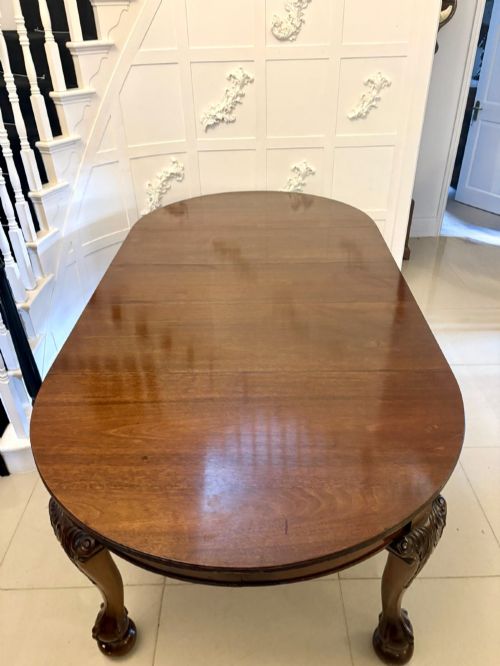
Regency tables often feature clean architectural lines, brass toe castors, and reeded pillar supports dating from the early nineteenth century. Victorian versions frequently introduce heavier carvings, such as claw and ball feet, and broader pedestal bases.
Examining the underside and the method of timber construction helps clarify the manufacturing period of each piece.
Can I use extra leaves daily?
Extra leaves can remain in place continuously if your daily seating requirements demand a larger surface area. Storing unvisited leaves flat in a dry environment prevents warping and ensures the timber colour matches when inserted.
Handling the leaves carefully during insertion preserves the alignment pegs and the surrounding veneer or solid wood edges.