






Brown Elm Bench
These brown elm bench examples bring honest rural utility into a modern room, offering sturdy seating carved from the heart of English timber.
Brown Elm Bench
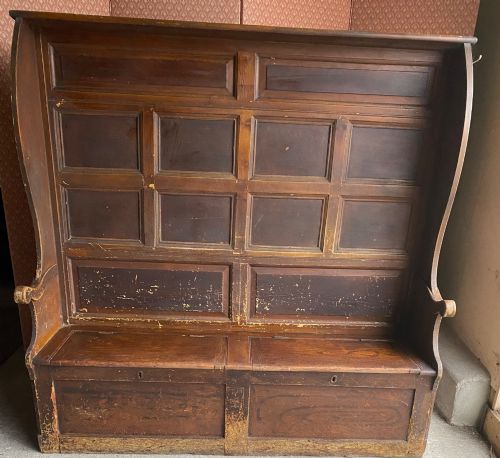
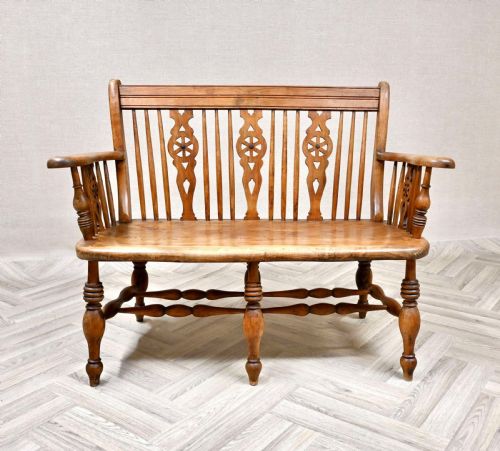
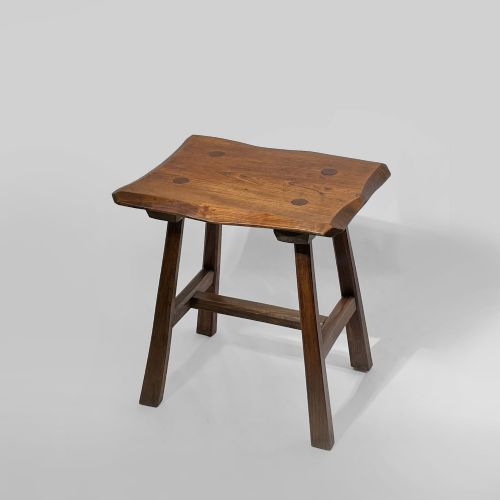
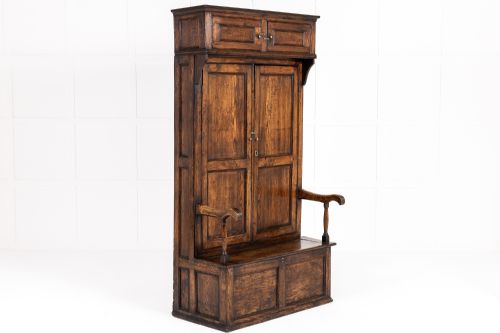
A brown elm bench represents the hardworking vernacular seating produced across centuries for country houses, cottages, and rural halls. When you search for a brown elm bench, you encounter sturdy timber forms shaped by hands that prioritized function over ornament.
The pieces listed here span the eighteenth and nineteenth centuries, including long benches, settles, and window seats. Elm dominates the selection, frequently paired with oak, pine, ash, and burr elm for structural strength.
Rustic country and Georgian styles prevail among these seats, showing the plain lines and honest joinery typical of vernacular woodwork. Many survive with low backs or simple plank tops intended for daily domestic use.
Materials and construction
Makers selected elm for its interlocking grain and resistance to splitting, making it ideal for solid seats and heavy benches. Cabinet makers combined this tough timber with oak frames and pine supports to build furniture capable of withstanding generations of hard service.
Joinery relied on pegged mortise and tenon joints rather than complex metal fasteners, allowing the wood to move naturally with humidity changes. Simple hand tools shaped the thick planks, leaving subtle adze marks and surface irregularities across the wood.
Brown Elm Bench Retail Price Guide 2026
Typical asking prices for brown elm bench among the pieces listed under this phrase on Sellingantiques today, from the lower quarter to the upper quarter. They describe what is for sale here now, not the wider market.
Listings feature elm alongside supporting timbers like oak, pine, ash, and burr elm across nineteenth-century and Georgian items.
Assessing quality and character
Quality rests in the integrity of the timber and the honesty of the preservation, distinguishing utilitarian workshop pieces from refined country house furniture. Superior examples retain their original surface depth, showing decades of wax polishing and natural wear.
The handling of the grain dictates visual success, particularly where burr elm or mixed hardwoods like oak and ash create natural pattern. Sound structural joints without excessive modern replacement parts elevate a piece above heavily restored alternatives.
The Brown Elm Bench Glossary
- Settle
- A wooden bench with a high back, solid arms, and often a storage box beneath the seat. This form kept drafts away from occupants in unheated rooms.
- Vernacular
- Everyday furniture made by regional craftsmen following local traditions rather than metropolitan academic designs. These pieces emphasise practical utility.
- Burr elm
- A growth distortion in the elm tree that produces highly figured, swirling wood grain. Cabinet makers prized this material for decorative panels and prominent seat tops.
- Trestle
- A supporting framework consisting of a horizontal beam fixed to two splayed legs. This construction provides stable support for long benches and tavern tables.
- Patina
- The deep surface sheen developed over centuries through handling, dusting, and waxing. It reveals the age and history of the wood.
Brown Elm Bench: Frequently Asked Questions
How do I care for a brown elm bench?
Feed the timber occasionally with a traditional beeswax polish to keep the grain nourished and prevent drying. Avoid placing the bench near direct heat sources or strong sunlight, which can cause the old wood to split.
Dust regularly with a soft, dry cloth rather than using modern aerosol sprays containing silicones. Gentle maintenance preserves the historic surface and allows the natural patina to deepen over time.
Were these benches used indoors or outdoors?
These historical country pieces were strictly indoor furniture designed for kitchens, hallways, and farmhouses. They provided durable seating near hearths and along cottage walls where heavy daily use demanded strong timber.
Subjecting antique elm to garden dampness or weather changes will damage the historic joinery and ruin the dry surface. Keep them inside to protect the construction.
How do I tell an 18th-century bench from a 19th-century copy?
Examine the tool marks on the underside and hidden framing areas to understand how the wood was shaped. Eighteenth-century examples typically show hand-pit sawing and pegged joints without modern mechanical intervention.
Wear patterns around the footrests and seat edges should look consistent with generations of sitting. Honest age appears in the gradual softening of corners and the deep accumulation of polish in recessed crevices.
Why is elm so common in old country furniture?
Elm trees grew widely across rural landscapes and provided tough, fibrous timber that resisted splitting under heavy pressure. Country carpenters valued it for items requiring immense strength, such as seat bottoms and wheel hubs.
The interlocking grain makes elm notoriously difficult to work by hand, but once shaped, it holds nails and joints securely. This resilience ensured that utilitarian benches survived centuries of hard domestic service.