


Brown Easy Chair
A brown easy chair brings deep comfort and rich patination to a room, offering sturdy support through leather, mahogany, and walnut.
Brown Easy Chair
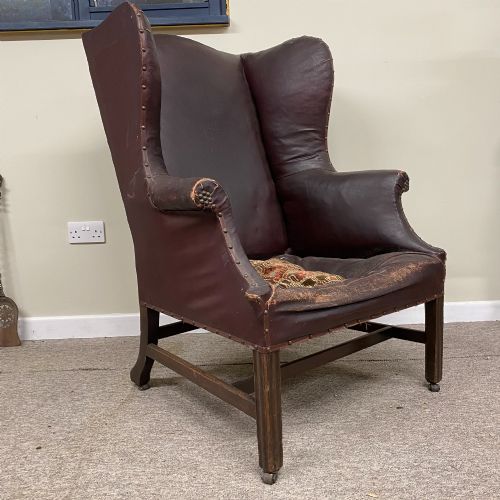
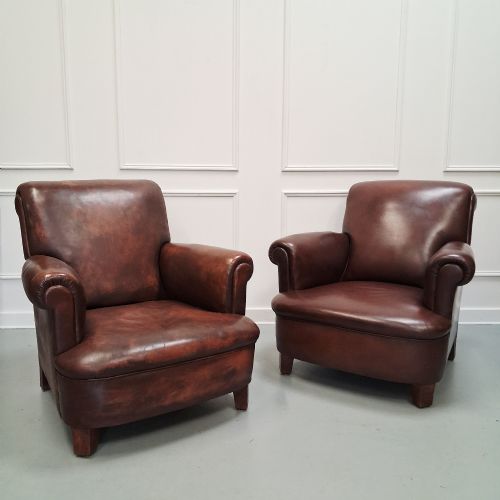
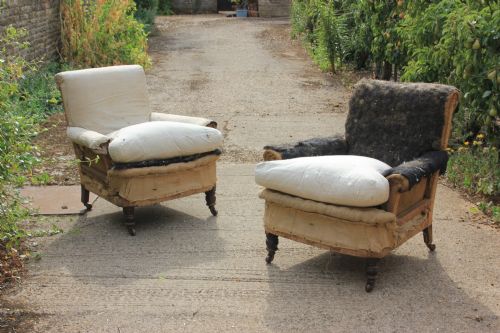
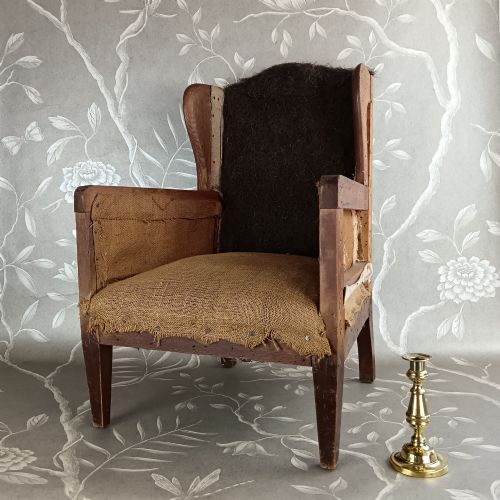
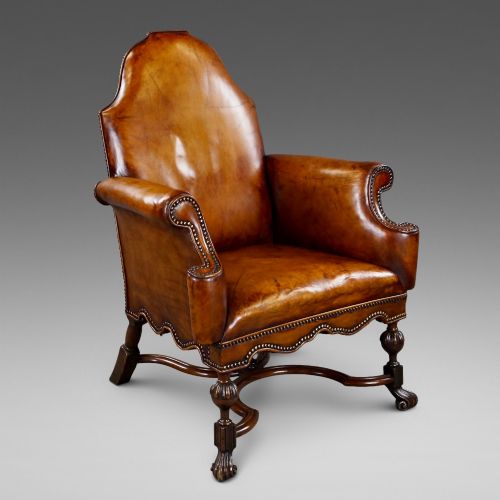
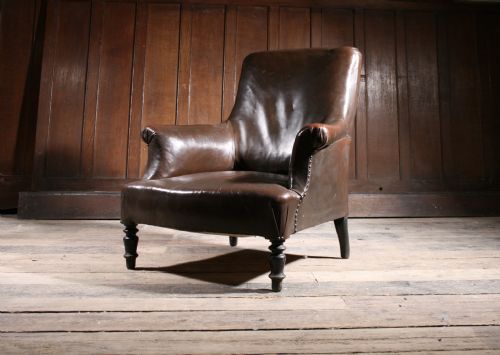
A brown easy chair covers a wide variety of armchairs, club chairs, and wingbacks designed primarily for comfort and relaxation. You will frequently encounter leather club chairs from the 1930s alongside Victorian and Georgian mahogany or walnut wingbacks.
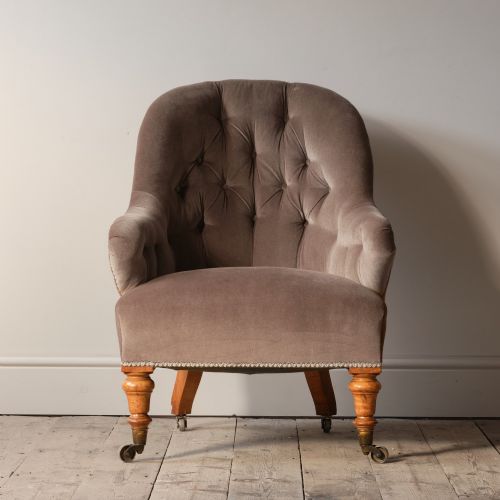
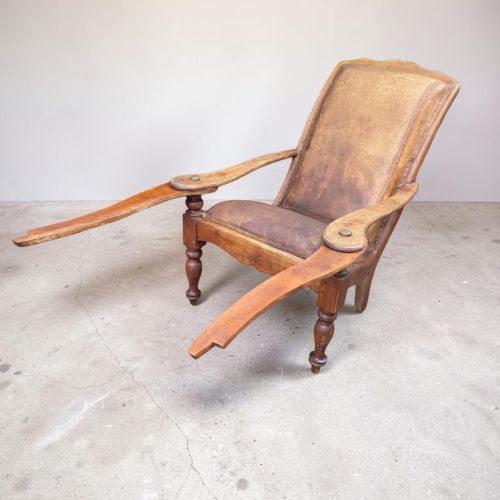
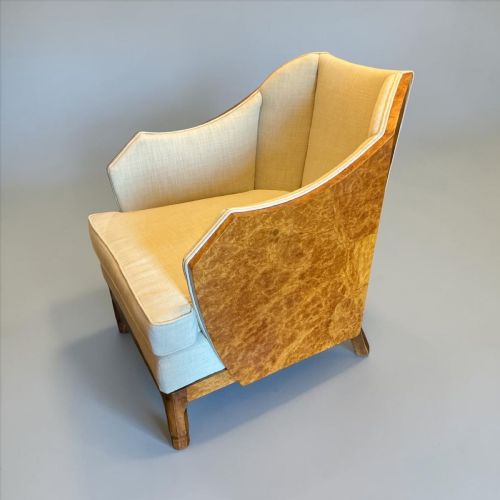
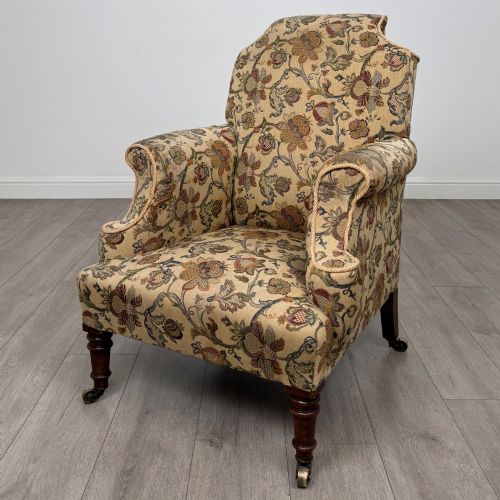
The selection ranges from early nineteenth-century button-backed seating and colonial plantation chairs to sleek art deco designs. These pieces often feature sturdy frames in oak, walnut, or mahogany paired with upholstery in leather or various fabrics.
Makers and origins vary widely, stretching from English workshops and Scottish schools to French studios and Swedish makers. The forms include tub chairs, fireside seats, and deep-seated armchairs built for daily use.
How they were made
Makers built the structural frames of these brown easy chairs using hardwoods such as mahogany, walnut, oak, and satin birch. These timbers provided the necessary strength to support deep seating and sprung interiors.
Upholstery relied heavily on natural leather, calf suede, and hessian support webbing. Brass tacks and careful buttoning frequently finished the edges of leather club and Victorian button-back chairs.
Brown Easy Chair Retail Price Guide 2026
Typical asking prices for brown easy chair among the pieces listed under this phrase on Sellingantiques today, from the lower quarter to the upper quarter. They describe what is for sale here now, not the wider market.
The furniture styles represented include Victorian, Edwardian, Georgian, and Art Deco, alongside colonial plantation and Anglo-Indian designs.
What varies in quality
The distinction in quality often rests on the integrity of the timber frame and the depth of the patination on the leather. Finer pieces demonstrate careful joinery and well-preserved hides that show natural character through use and age.
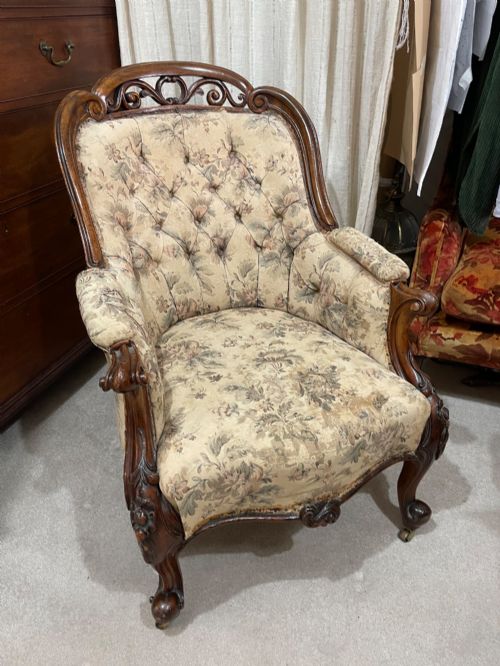
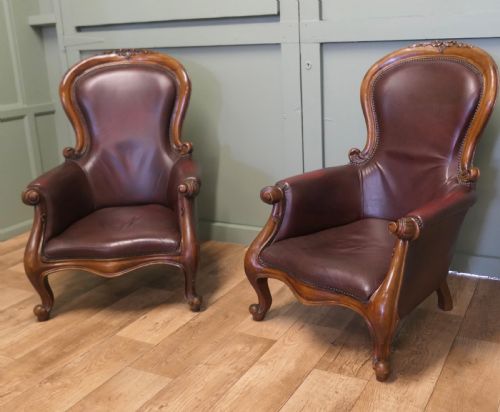
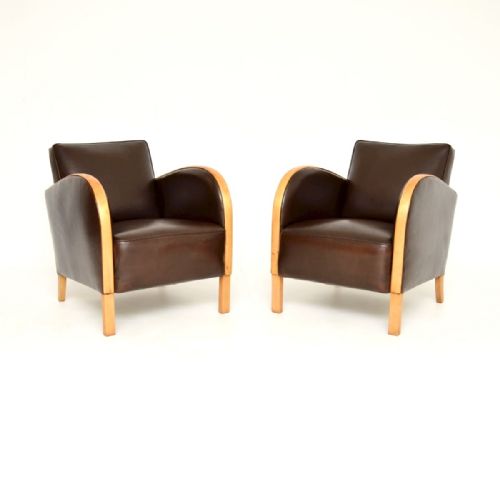
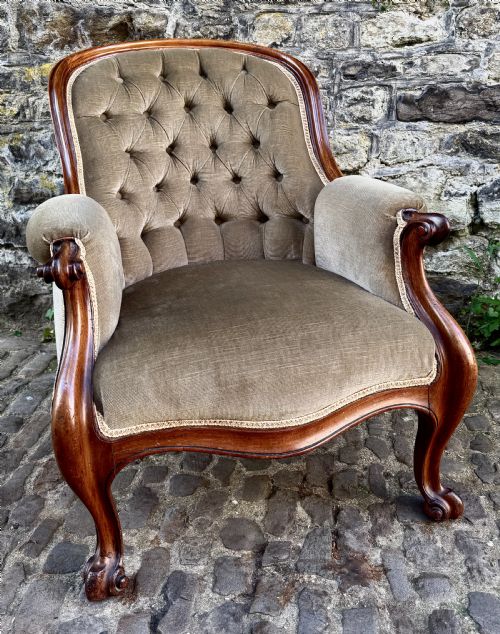
Proportion and execution define the higher tier of these chairs, whether in the carved cabriole legs of a Victorian model or the clean geometric lines of an art deco club chair. The harmony between the frame materials and the upholstery dictates the overall presence of the piece.
Gillows·Howard And Sons·Robert Strahan Dublin
The Brown Easy Chair Glossary
- Wingback
- An armchair with side panels, or wings, attached to the back to shield the sitter from draughts. These typically date from the Georgian and Victorian periods.
- Club chair
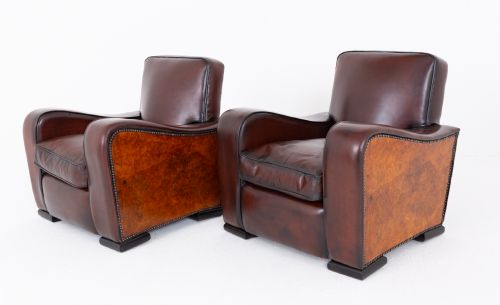
- A deep, comfortable armchair upholstered in leather, often associated with French and English designs from the early twentieth century. These pieces prioritise sink-in comfort.
- Cabriole leg
- A furniture leg that curves out and then narrows in, often ending in a pad or claw foot. This style appears frequently on mid-nineteenth-century rosewood and walnut chairs.
- Button back
- An upholstery technique where buttons are pulled deep into the padding to create a diamond pattern. This method adds structural tension and distinct visual texture.
Brown Easy Chair: Frequently Asked Questions
What is a brown easy chair?
A brown easy chair is a comfortable upholstered armchair featuring a wooden frame in materials like mahogany or walnut and a covering typically of brown leather or fabric. These seats encompass various historical styles from Georgian wingbacks to art deco club chairs.
They serve as practical seating designed for relaxation, combining sturdy construction with enduring materials that develop a rich patina over time.
How do I date a leather club chair?
Dating a leather club chair involves examining the underlying frame timber, the stitching methods, and the style of the arms and feet. Pieces from the 1930s often show distinct art deco influences or French club chair proportions.
Earlier nineteenth-century examples may display traditional joinery and heavier wooden elements beneath the leather hide. Comparing the design characteristics to known period pieces helps narrow down the decade of production.
Are these chairs suitable for daily use?
Many of these chairs were built for heavy domestic use, employing solid hardwood frames and robust leather upholstery. Their deep seating and supportive backs make them practical for everyday living rooms and studies.
Careful maintenance of the leather and checking the internal webbing helps ensure these vintage and antique seats withstand regular sitting.
How do I distinguish Victorian from Georgian styles?
Georgian chairs, often dating from the eighteenth century, frequently feature restrained lines, mahogany frames, and structured wingback forms. Victorian designs from the nineteenth century tend towards heavier proportions, rosewood or walnut timbers, and elaborate details like button-backed upholstery and cabriole legs.
Examining the turning of the wood and the specific upholstery techniques provides clear clues to the era of manufacture.