
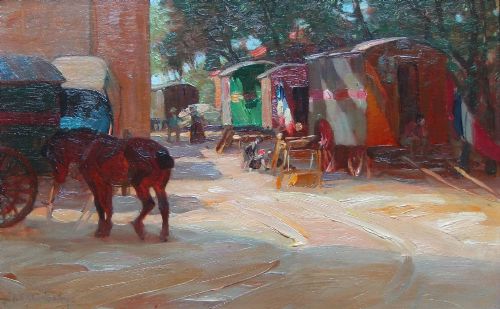


Brown Earth Tone Landscape
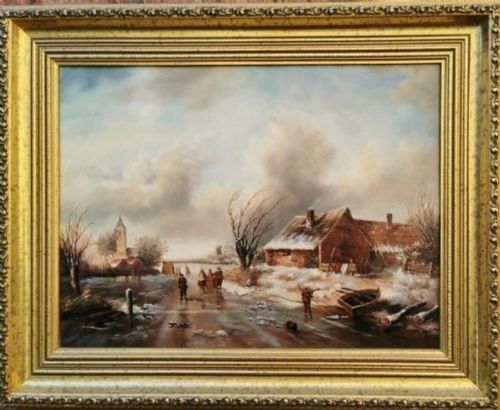
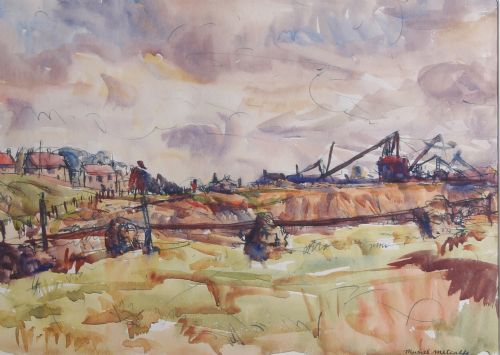
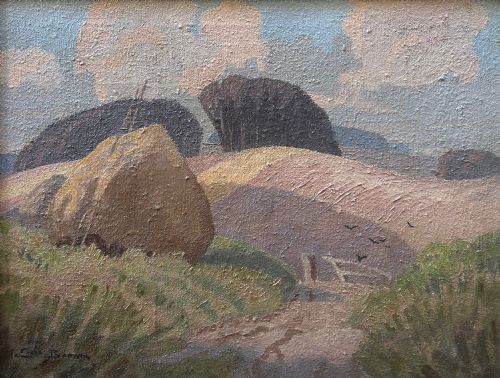
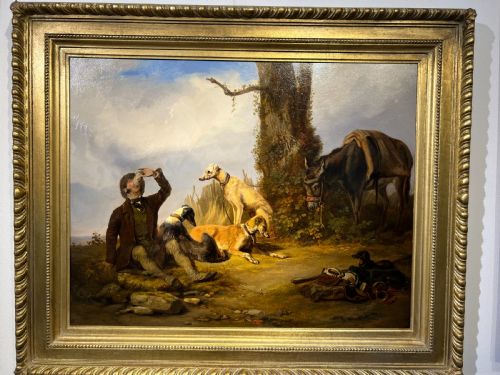
These brown earth tone landscape works bring muted fields, riverbanks, and moorlands into the room through traditional oil and watercolour.
Brown Earth Tone Landscape
A brown earth tone landscape captures rural scenery, village views, and river valleys through oil paint and watercolour. Buyers search this phrase for painted depictions of the countryside rendered in natural, subdued palettes.
The works appearing here span from the mid nineteenth century through to the mid twentieth century, covering Victorian, Edwardian, and modern British movements. You encounter subjects ranging from Yorkshire moorlands and Welsh valleys to northern rivers and coastal harbours.
Paintings on canvas and paper dominate the selection, created by British and European artists recording agricultural scenes, local mills, and quiet country lanes. These pieces reflect regional topography and historical working landscapes.
How they were made
Artists applied oil paint to canvas or wood panels, building up rich textures and deep tones that capture the density of earth and foliage. Watercolours on paper utilise fluid washes and fine brushwork to delineate skies, water, and distant hills.
Framed behind glass for works on paper or stretched across wooden frames for canvases, these paintings rely on traditional pigments mixed with oils or water binders. The handling of the medium determines whether a piece shows smooth blending or visible impasto marks.
Listings feature works from the nineteenth century through the 1960s, executed in oil and watercolour on canvas and paper.
What varies in quality
The strength of composition and the artist's command of light distinguish finer works from standard topographical records. Superior paintings demonstrate a confident handling of pigment that creates atmospheric depth within a restrained palette.
Condition of the canvas or paper surface, along with the preservation of original pigments, influences the visual impact of each work. Skilled brushwork and precise tonal balance separate exceptional regional paintings from routine decorative scenes.
Muriel Metcalfe·Eric Brown·Sir Edwin Henry Landseer·Paul Ehrenberg·Alfred George Morgan·Owen Bowen·George Armfield·William Greaves·Louie Stanley Maurice Prince·John Syer·Fred Stead·William Manners·Henry Charles Fox·Percy Brooke·Thomas Pyne·Sir William George Gillies·Edward Killingworth Johnson·Charles James Adams·John Percy Cooke·Hendrik Yan Wolter·Frederick Tucker·Fred Lawson·Josephine Haswell Miller·J.D. Walker·Yeend King
The Brown Earth Tone Landscape Glossary
- Oil paint
- A slow-drying medium consisting of pigments suspended in a drying oil, usually linseed, allowing for rich blending and textured impasto applications. It provides depth and durability on canvas or wood supports.
- Watercolour
- A painting method where coloured pigments are suspended in a water-soluble vehicle, typically applied to paper. It relies on the white of the paper to show through translucent washes.
- Impasto
- The technique of laying paint on canvas thickly, so that it stands out from the surface and retains the marks of the brush or palette knife. This adds physical texture and catches light.
- Canvas
- A heavy woven fabric used as a surface for oil paintings, stretched tightly across a wooden frame. It offers a resilient and textured ground for layered pigments.
Brown Earth Tone Landscape: Frequently Asked Questions
What subjects appear in these landscapes?
These works depict rural valleys, rivers, farmyards, and coastal harbours across Britain and Europe. Scenes often feature agricultural life, such as haymaking, livestock by streams, and travellers on moorland paths.
Artists recorded specific regional topography, from Yorkshire rivers and Welsh valleys to Sussex cottages and northern mills, providing a record of historical countryside views.
How do I care for an oil painting?
Keep canvas oil paintings away from direct sunlight and dramatic shifts in temperature or humidity. Dust the surface gently with a soft, dry brush without applying pressure.
Avoid using water or cleaning solutions on the painted surface. Professional conservation is recommended for any deeper cleaning or structural repairs.
How should I display watercolour paintings?
Hang watercolours away from direct sunlight to prevent the paper from yellowing and the pigments from fading. Use UV-protective glass when framing works on paper.
Ensure works on paper are mounted with acid-free materials to protect them from chemical degradation over time.
How do I distinguish nineteenth-century works?
Nineteenth-century paintings often display traditional Victorian academic approaches, detailed brushwork, and naturalistic palettes centred on rural or sporting subjects. Materials such as older handmade paper or traditional coarse-weave canvas provide clues to the period.
Examining the back of the frame, stretcher bars, or artist signatures can also help verify the approximate date of creation alongside stylistic evidence.