

Brown Drawer Unit
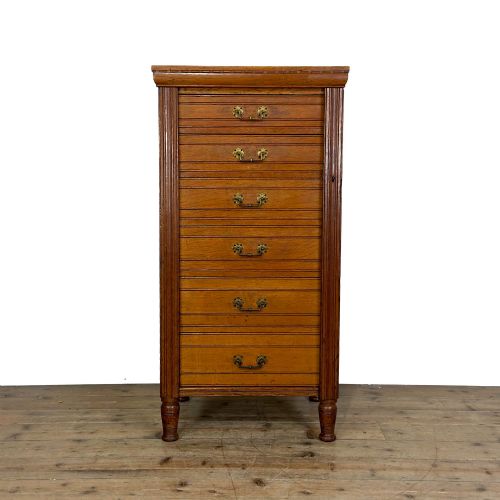
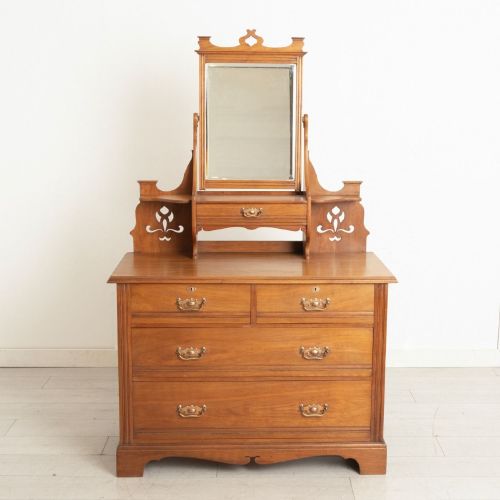
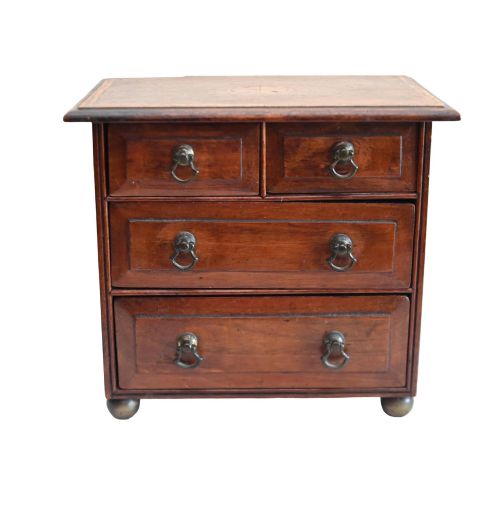
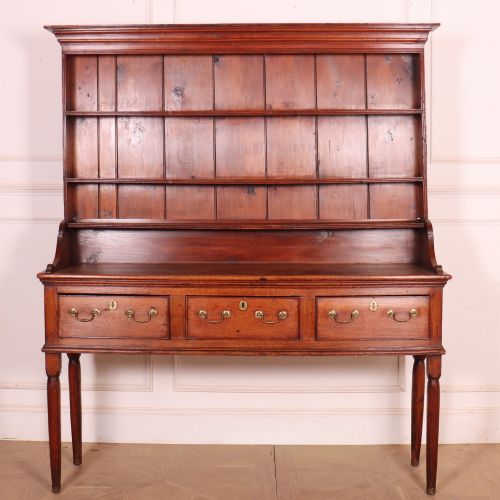
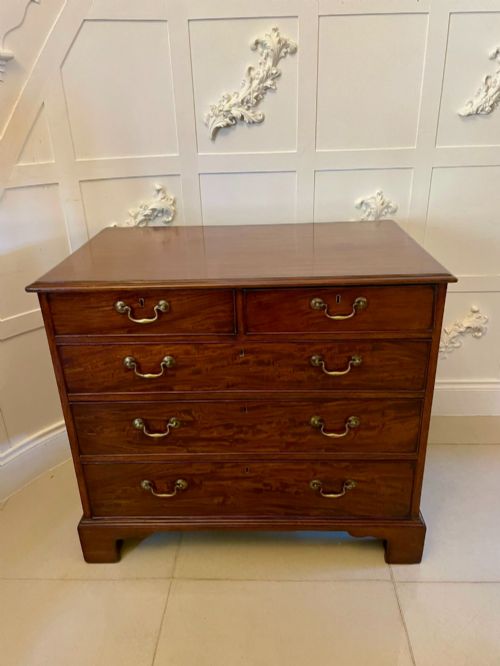
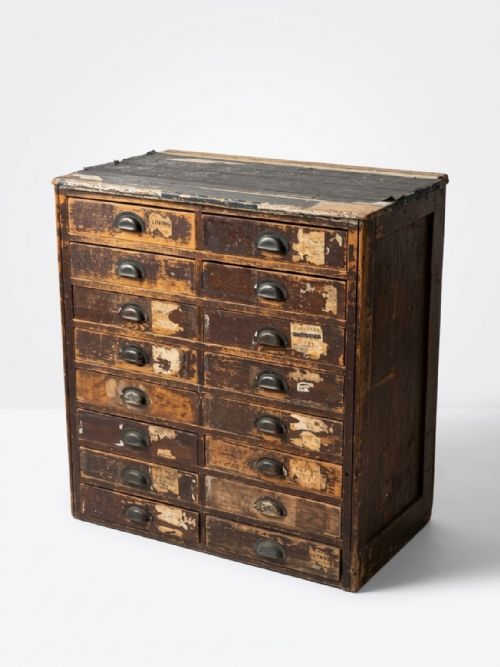
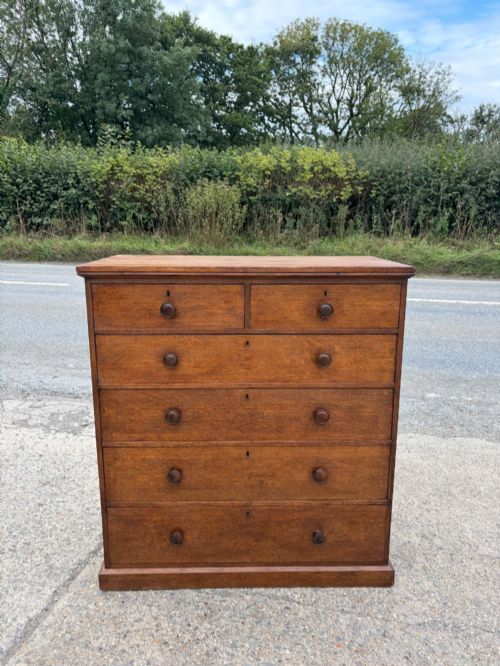
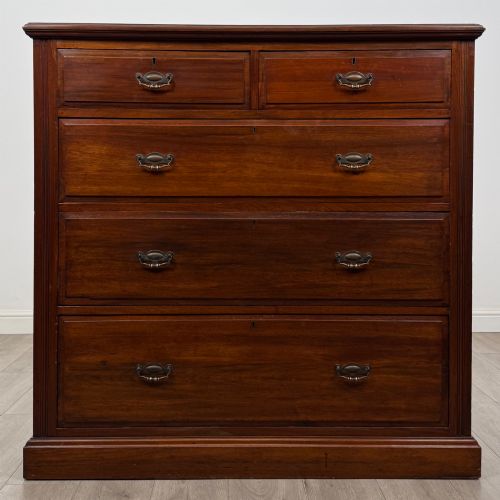
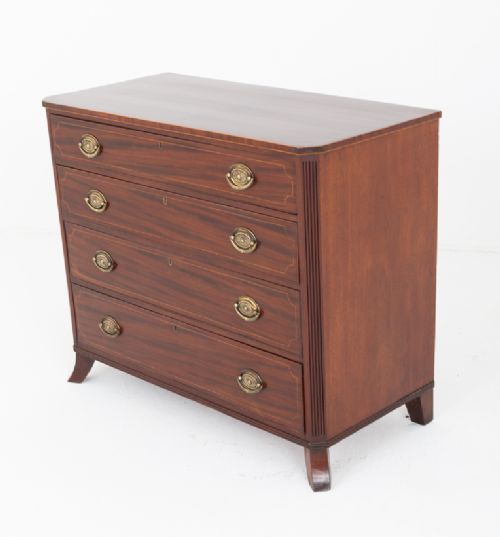
A brown drawer unit brings immediate utility and rich timber warmth to a room, ranging from compact apprentice pieces to grand Victorian and Georgian chests.
Brown Drawer Unit
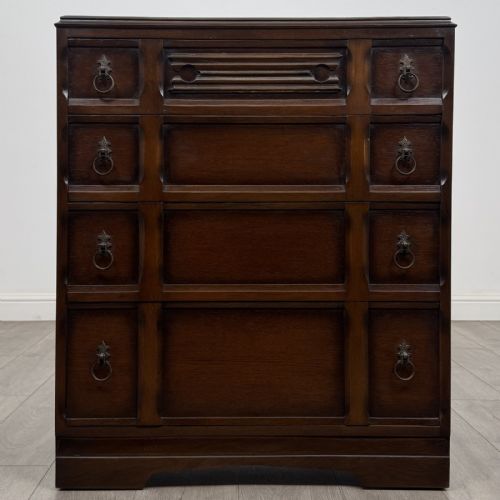
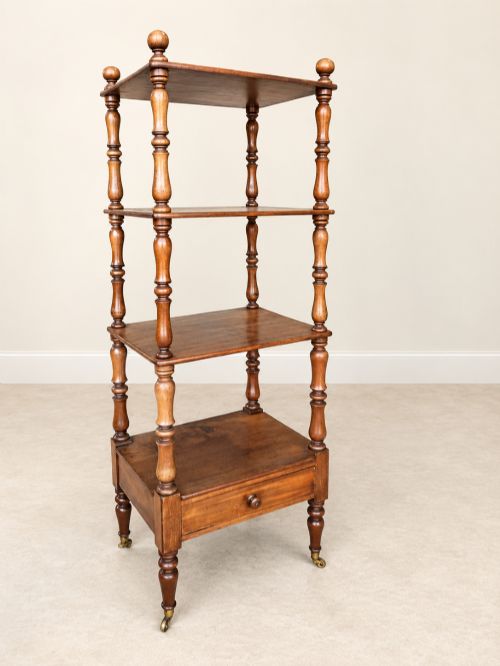
The materials reflect centuries of cabinet-making traditions, using rich hardwoods like mahogany, oak, walnut, burr walnut, and satinwood, as well as simpler pine and general wood constructions. Pieces range from grand domestic bedroom chests with multiple graduated drawers to unusual miniature furniture, apprentice pieces, and lower drawer bookcases.
Assessing the craftsmanship
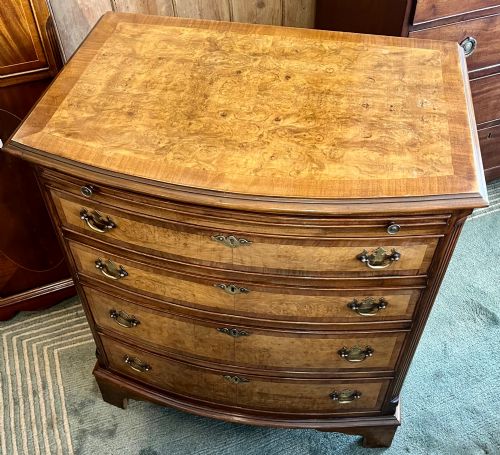
The distinction between standard examples and superior pieces rests on the choice of timber veneer, such as heavily figured burr walnut or flame mahogany, and the crispness of the surrounding inlay work. Superior construction is evident in tight, hand-cut joinery and the survival of original brass handles and turned feet rather than later replacements.
Proportion and scale dictate the desirability of a brown drawer unit, whether in diminutive apprentice chests and miniature furniture or imposing 18th-century and Victorian storage cabinets. Refinement in secondary details, such as raised galleries or specialised interior fittings, separates everyday utility furniture from master cabinet-maker output.
The listings span the 17th, 18th, 19th, and 20th centuries, incorporating styles from George III and Regency to Jacobean Revival and Queen Anne Revival.
Shapland and Petter·Luxmore of Ilfracombe
The Brown Drawer Unit Glossary
- Apprentice piece
- A miniature version of a furniture form created by a craftsman to demonstrate skill. These smaller units replicate full-size chests with precise joinery.
- Graduated drawers
- A sequence of drawers decreasing in depth from bottom to top. This arrangement provides structural stability and visual balance on classical chests.
- Raised gallery
- A low decorative rim or upstand fitted to the top surface of a cabinet or chest. It prevents items placed on top from sliding off.
- Burr walnut
- A prized timber veneer showing intricate, swirling grain patterns formed from tree growths. It provides a highly decorative surface on luxury cabinets.
Brown Drawer Unit: Frequently Asked Questions
How do I date an antique chest?
Dating involves examining the timber species, construction methods, hardware, and overall stylistic characteristics. Georgian pieces often display different proportions and drawer linings compared to later Victorian or Edwardian examples.
Secondary woods, dovetail construction tightness, and the presence of original handles or raised galleries provide further chronological clues.
Where were these cabinets used?
These units served multiple functions across domestic, commercial, and workshop environments throughout history. Larger chests functioned as primary bedroom storage for clothing.
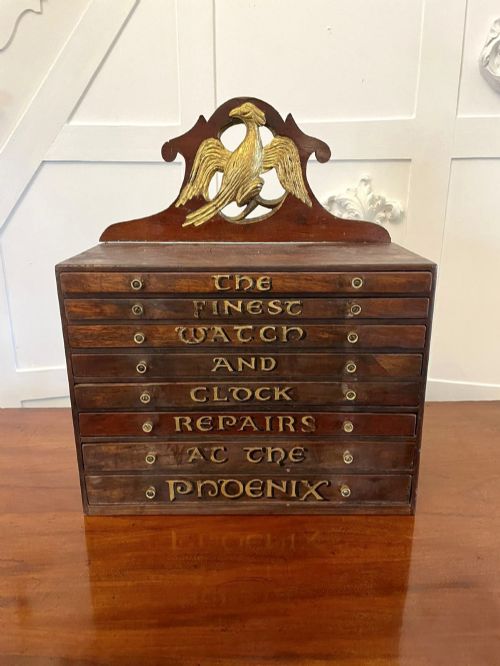
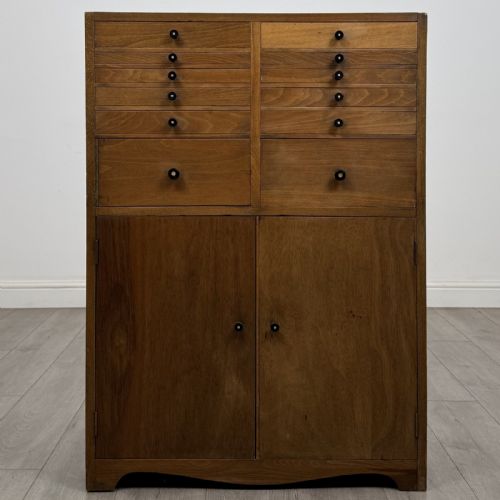
Specialised forms like shop drawer banks, watch and clock repairer chests, and collectors cabinets served specific trades and organised small items.
What is the difference between walnut and mahogany?
Walnut and mahogany are distinct hardwoods utilised across different periods of British cabinet making. Walnut often displays rich, swirling grain patterns, sometimes enhanced by burr figuring.
Mahogany provides a dense, stable reddish-brown timber that accommodated flame figuring and sharp classical carving during the 18th and 19th centuries.