


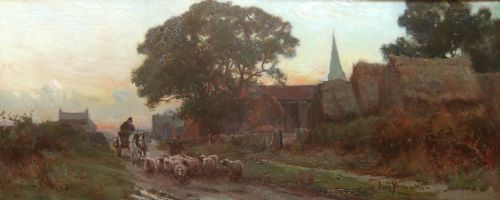

Brown Country Landscape Painting
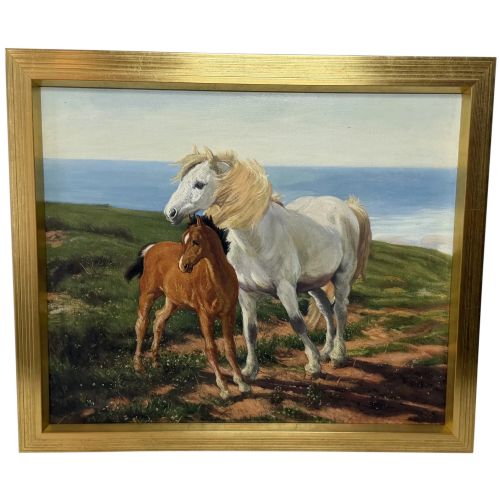
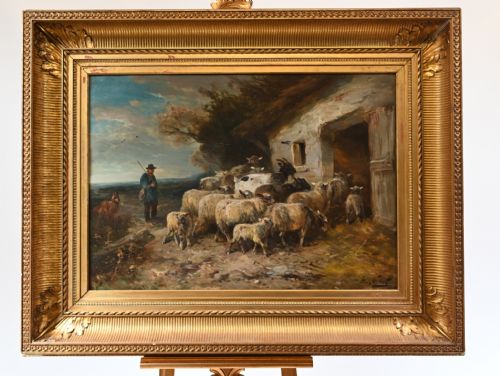
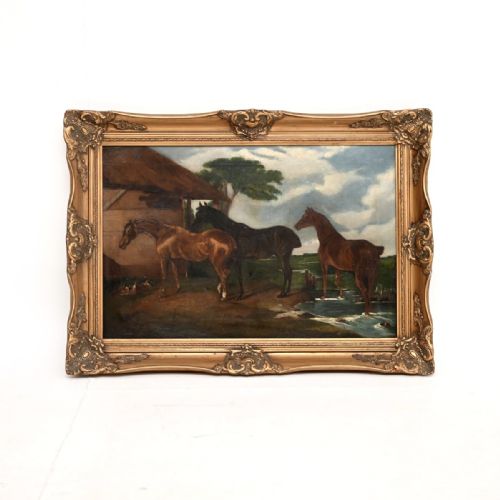
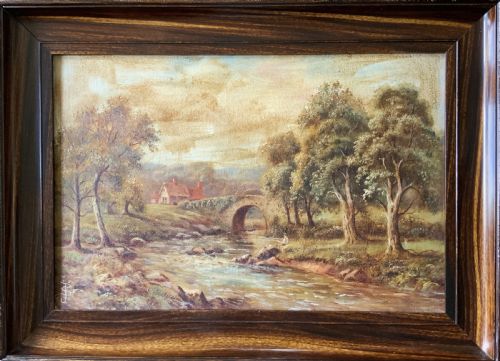
These brown country landscape painting works capture pastoral scenes and rustic vistas across various historic periods.
Brown Country Landscape Painting
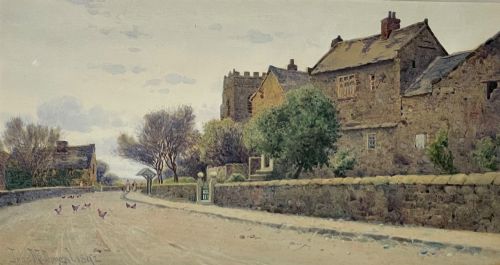
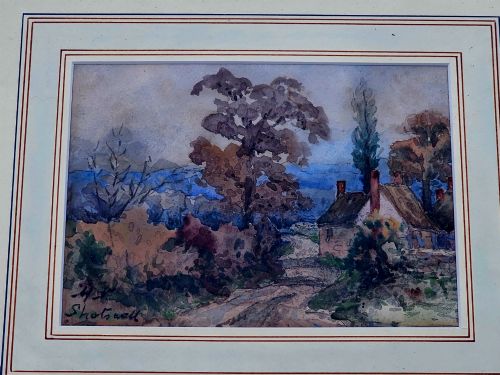
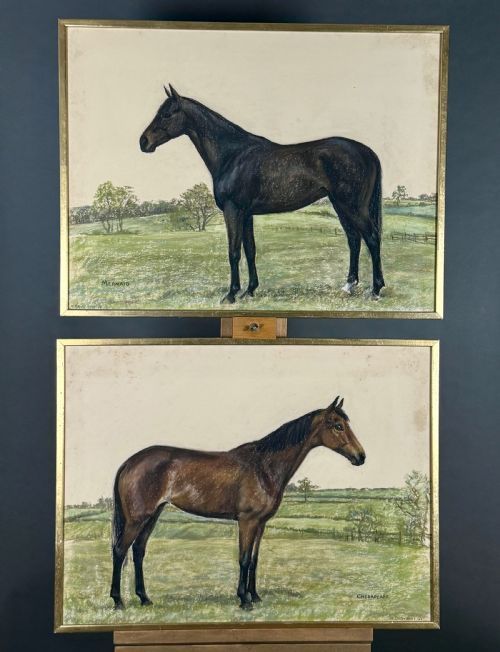
A brown country landscape painting depicts rural scenery, agricultural fields, moorlands, and pastoral views, often rendered in earthy and natural tones. These works capture the British and European countryside through the eyes of artists working from the eighteenth century through the mid-twentieth century.
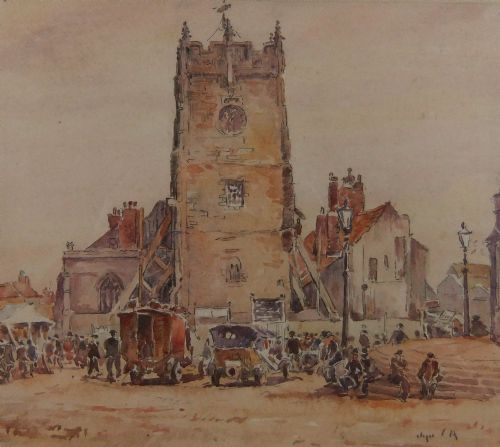
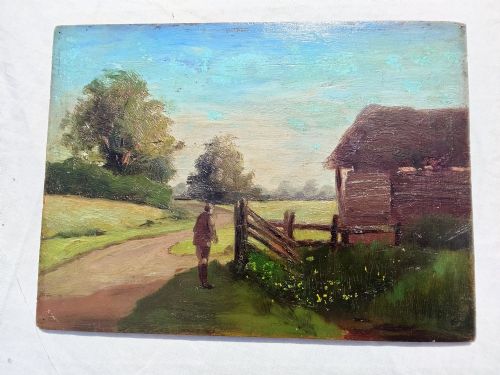
Buyers frequently encounter watercolours on paper and oil paintings on canvas or wooden boards reflecting periods such as the Victorian era, the Edwardian years, and early twentieth-century movements. The subjects range from quiet river valleys and farmyards to moorland tracks and harvesting scenes.
Many pieces originate from named regional artists belonging to the English School or British Impressionism, documenting changing agricultural life and topography. The selection encompasses both intimate works on paper and large framed canvases suitable for domestic display.
How they were made
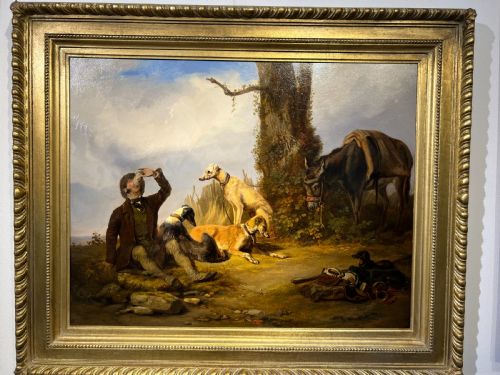
Artists painted these landscapes using oil paint or watercolour applied to canvas, wooden board, or heavy paper supports. Oil pigments allowed for rich layering and textured brushwork, particularly in mid-century and nineteenth-century canvases, while watercolours offered fluid transparency for atmospheric skies and rolling hills.
Many works incorporate wooden stretchers, gilt frames, and protective glass glazing, reflecting the framing traditions of their respective periods. Certain older canvases show historical conservation techniques, such as being laid down onto boards to stabilise the aged fabric.
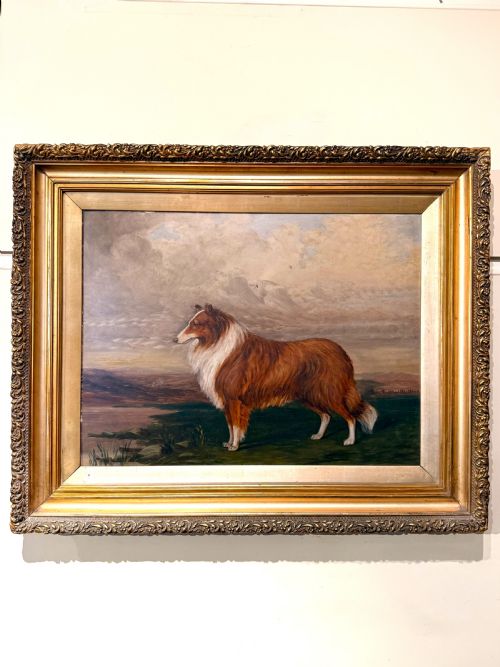
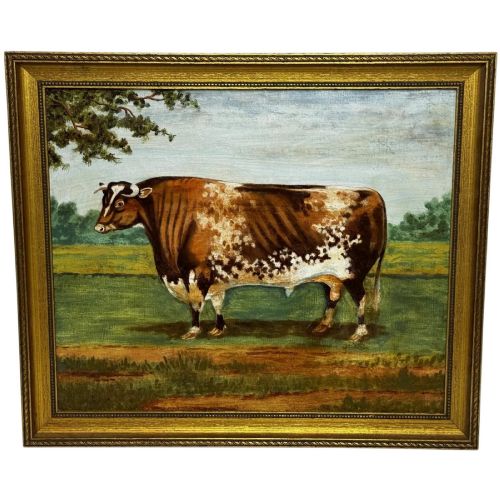
Several country scenes casually sneak in a prize bull, a watchful sheepdog, or a rogue duck inspecting the landscape.
What varies in quality
The distinction between standard works and exceptional examples lies in the confidence of the brushwork, the management of natural light, and the compositional balance of the rural scene. Superior paintings capture atmospheric depth and texture rather than relying on formulaic depictions of foliage and fields.
The prominence of the artist, the specificity of the topographical subject, and the preservation of the original pigment vibrancy also influence the standing of an individual landscape within the wider field of historic art.
John McDougal·John Smith Atherton·Sir Edwin Henry Landseer·Henry Schouten·Herman S Melville·Sydney Yates Johnson·F.J. Snell·Owen Bowen·Harry Freckleton·Robert Little·John Constable·Ernest Pile Bucknall·Samuel Joseph Clark·George Armfield·John Atkinson·William Greaves·Herbert Royle·John Frederick Herring·Louie Stanley Maurice Prince·Helena Maguire·Fannie Moody
The Brown Country Landscape Painting Glossary
- Canvas
- A heavy woven fabric stretched across a wooden frame to serve as a sturdy surface for oil painting.
- Watercolour
- A paint consisting of pigment suspended in a water-soluble binder, traditionally applied to paper to create translucent washes.
- British Impressionism
- A late nineteenth and early twentieth-century painting style focusing on everyday rural subjects and loose, expressive brushwork inspired by French movements.
- English School
- A collective term for painters working in England across various centuries who shared regional artistic traditions and landscape subjects.
- Plein air
- The practice of painting outdoors directly from nature to capture transient effects of light and weather in the countryside.
Brown Country Landscape Painting: Frequently Asked Questions
What periods do these paintings cover?
The works span from the eighteenth century through the Victorian and Edwardian eras up to the mid-twentieth century. This encompasses Georgian topographical views as well as later impressionist interpretations of rural life.
Each period brings distinct stylistic approaches to depicting foliage, light, and agricultural workers in the British and European countryside.
Are these paintings executed in oil or watercolour?
Both mediums are widely represented across the collection, featuring oil paints on canvas and wooden board alongside watercolours on paper. Oils provide heavier texture and rich colour depth, whereas watercolours offer delicate transparency.
Buyers will find that each medium creates a different atmospheric quality suited to the subject matter.
How should I frame and display a historic landscape?
Most of these pieces retain period wooden frames, which complement the earth tones and subject matter of the landscape. Displaying them away from direct sunlight helps preserve the stability of aged canvas, paper, and pigments.
Proper wall placement ensures the artwork remains protected from excessive humidity and temperature fluctuations.
How do I identify the school of painting?
Attributions often rely on recorded signatures, historical exhibition labels, and stylistic traits associated with regional groups like the English School. Subject matter such as specific Yorkshire or Devonshire landmarks also aids in identifying the provenance.
Comparative study of brush technique and handling of light helps clarify the artistic circle behind unsigned works.