


Brown Corner Unit
A brown corner unit turns dead space into display room, housing your favourite things in rich timber.
Brown Corner Unit
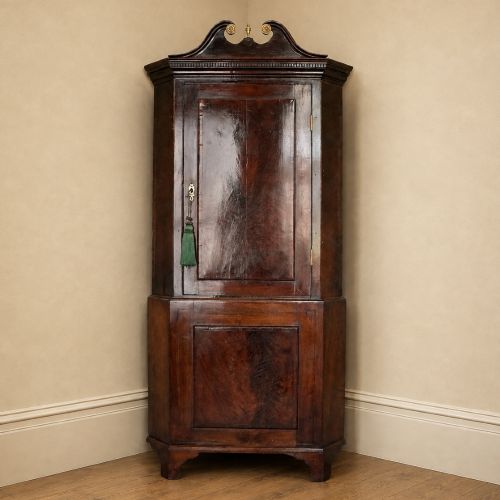
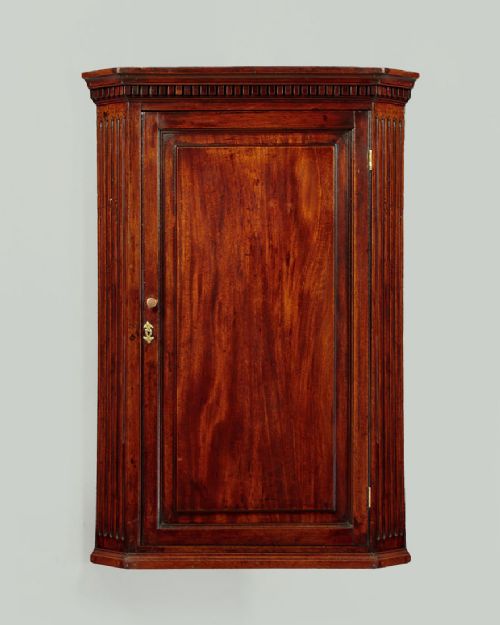
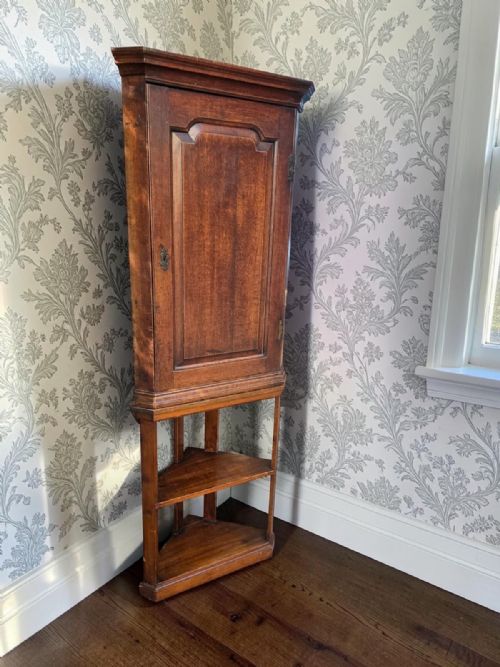
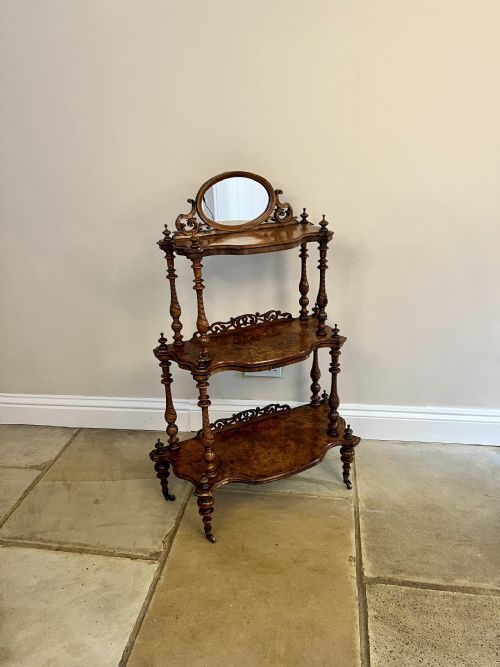
A brown corner unit is essentially a piece of furniture designed to fit neatly into ninety-degree room angles, making clever use of awkward spaces. When you search for a brown corner unit, you encounter pieces primarily functioning as cupboards, cabinets, and open shelves.
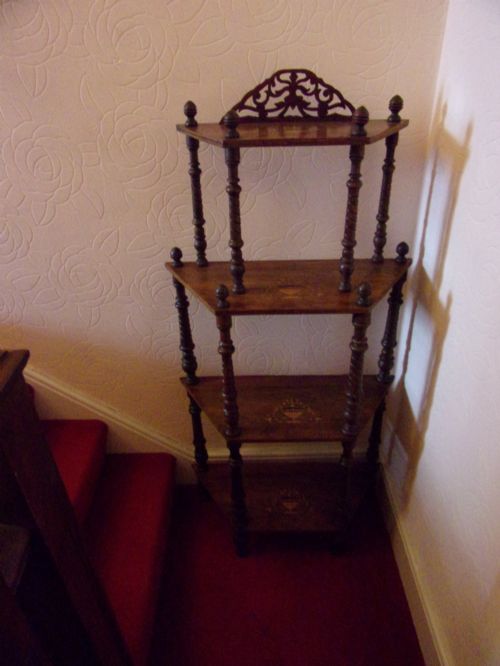
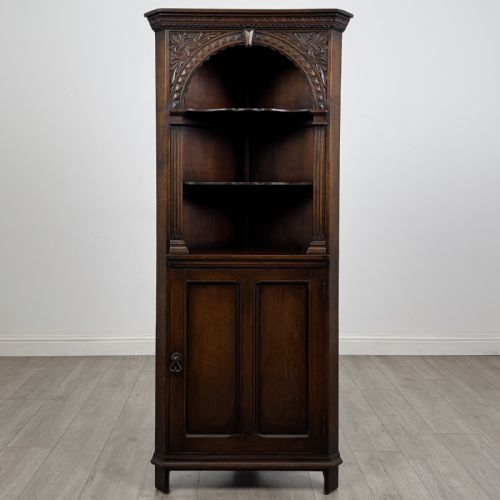
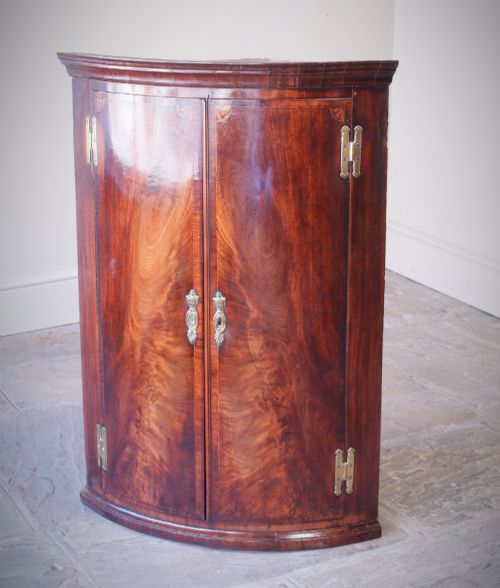
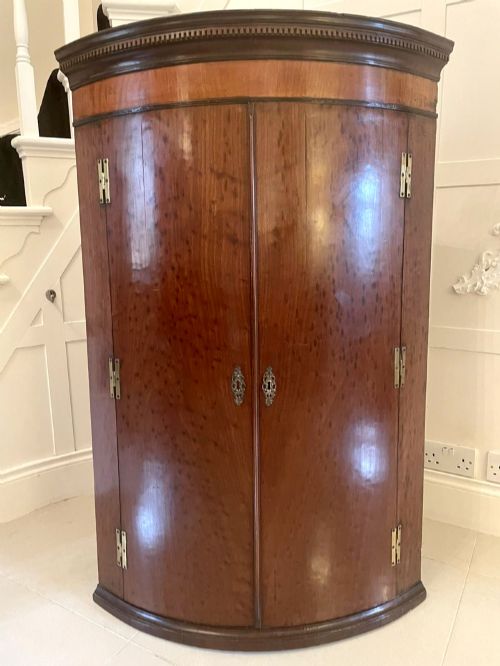
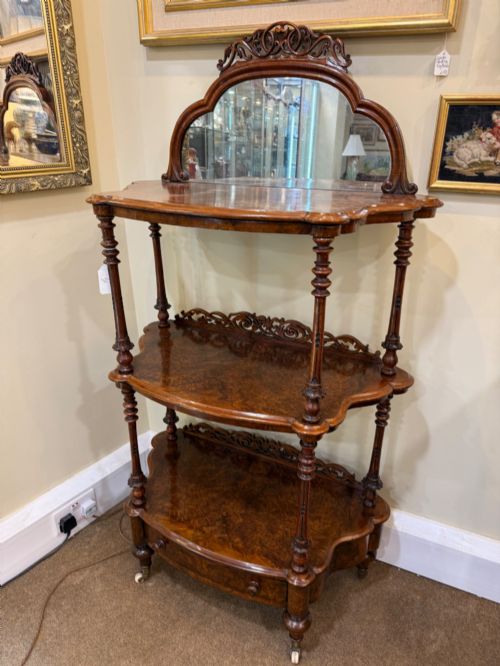
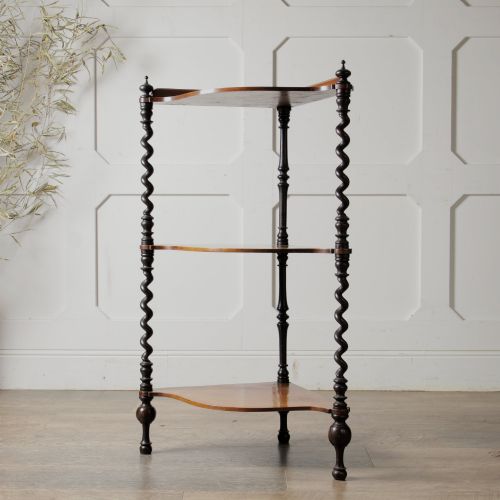
The selections available range from hanging wall cupboards to substantial floor-standing corner cabinets and multi-tiered whatnots. These come from periods spanning the eighteenth, nineteenth, and early twentieth centuries, constructed in varied timber tones.
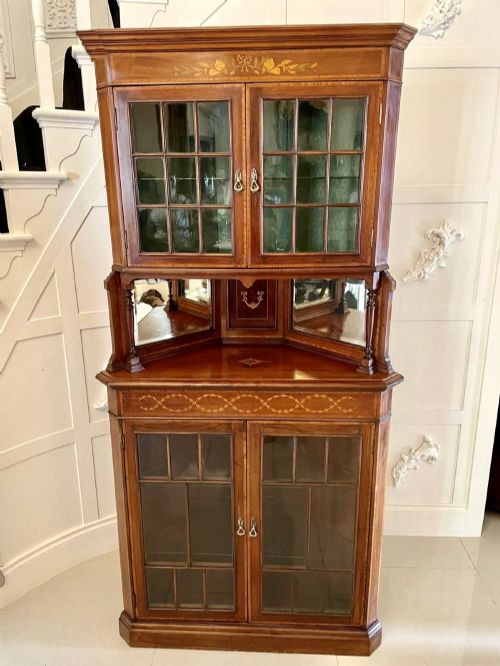
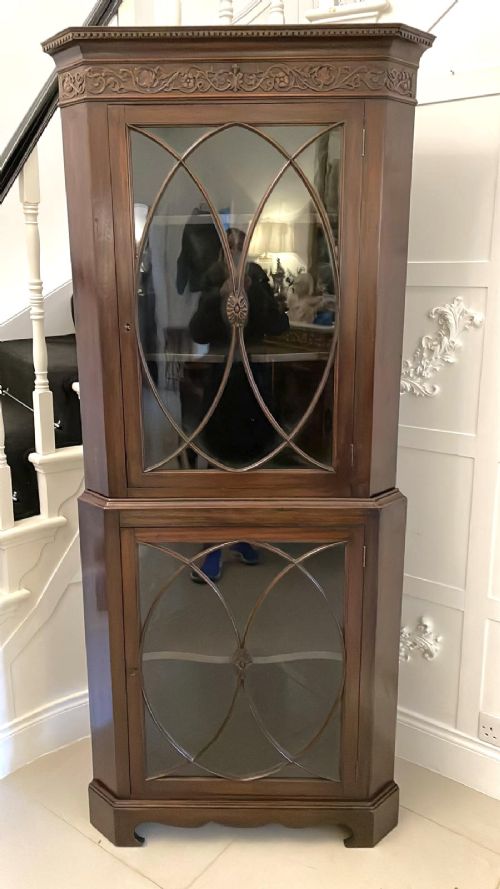
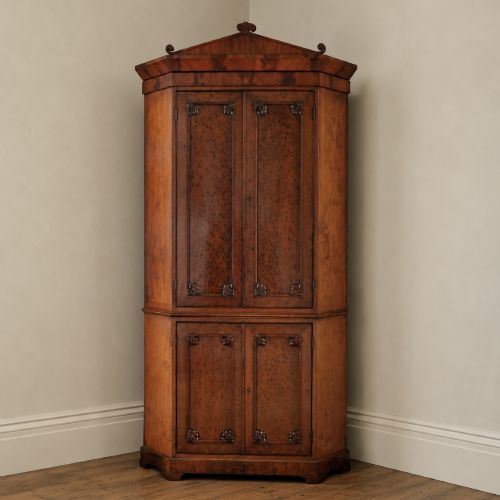
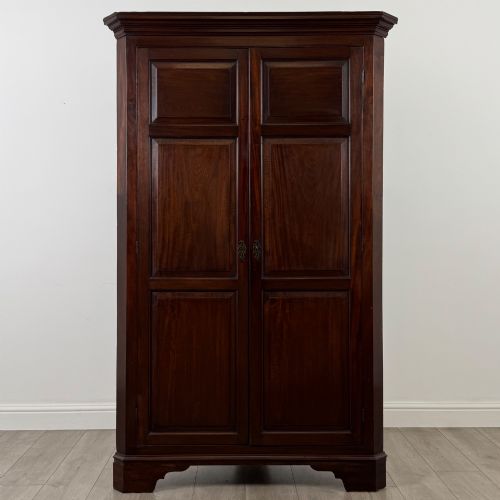
The most common examples you meet on this page are mahogany and oak cupboards from the Georgian and Victorian eras. These often feature bow fronts, glazed doors, and inlaid details that bring warmth to empty corners.
Timber and construction
Makers built these pieces using solid timbers such as oak and mahogany, often applying veneers of burr walnut or plum pudding mahogany to prominent surfaces. Workshops relied on traditional joinery methods, housing shelves within sturdy carcases and fitting doors with brass hinges and locks.
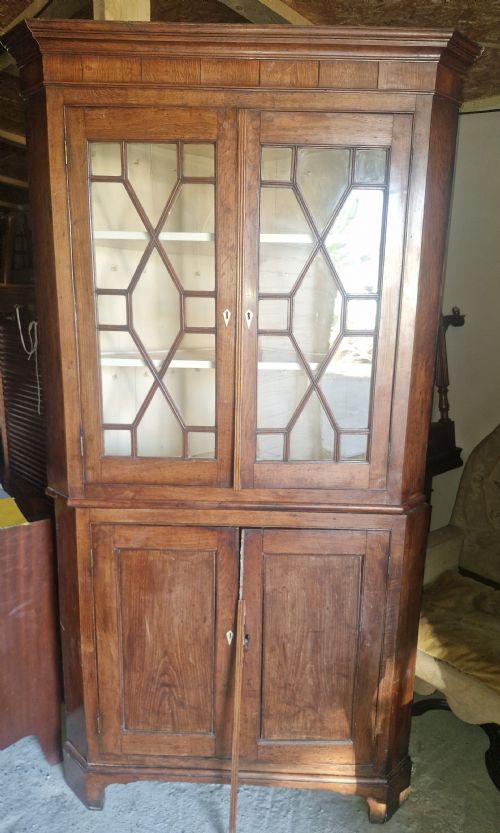
Decorative touches included satinwood inlay, astragal glazing bars on cabinet doors, and carved details like barley twist supports. Pieces occasionally utilised bamboo or painted finishes depending on the aesthetic tastes of the period.
Brown Corner Unit Retail Price Guide 2026
Typical asking prices for brown corner unit among the pieces listed under this phrase on Sellingantiques today, from the lower quarter to the upper quarter. They describe what is for sale here now, not the wider market.
Some nineteenth-century makers utilised bamboo alongside traditional timbers to satisfy an unexpected Victorian fascination with exotic botanical stands.
Judging the work
Quality in these units rests upon the selection of timber and the precision of the cabinetmaker's hand. Finer examples display carefully matched wood grains on curved bow fronts and crisp, unblemished string inlay.
Secondary elements such as original brass hardware, working keys, and well-fitted glazed panels separate standard utility pieces from finer parlour furniture. The integrity of the corner joints and the stability of floor-standing stands also dictate the grade of the piece.
The Brown Corner Unit Glossary
- Bow front
- A convex, outwardly curved front section common on eighteenth and nineteenth-century cabinets. This shape softens the hard lines of a room corner.
- Astragal glazing
- Wooden bars dividing glass panes within a cabinet door into smaller sections. These delicate frames provide structural support while allowing visibility.
- Whatnot
- An open set of tiered shelves used for displaying ornaments and books. They frequently appear in Victorian walnut or mahogany.
- Bracket feet
- Simple architectural supports lifting the cabinet base off the floor. They offer a stable foundation for heavy timber carcases.
Brown Corner Unit: Frequently Asked Questions
What is a brown corner unit used for?
These units provide practical storage and display space while utilising unused room angles. They hold books, china, and ornaments behind closed doors or upon open shelves.
Tall floor-standing versions anchor a room layout, whilst smaller hanging cupboards sit neatly above tables or desks.
How do I tell a Georgian corner cupboard from a Victorian one?
Georgian pieces often display restrained mahogany veneers, bracket feet, and simple brass H-hinges. They prioritise architectural proportion and clean lines.
Victorian examples frequently introduce burr walnut, heavier carved details like barley twists, and more ornate inlay work.
Are these units difficult to fit into modern rooms?
Their ninety-degree design allows them to tuck into dead corners that standard rectangular furniture cannot occupy. This shape maximises floor space in smaller rooms.
Wall-hanging versions lift off the floor entirely, leaving room underneath for other furniture.