

Brown Corner Table
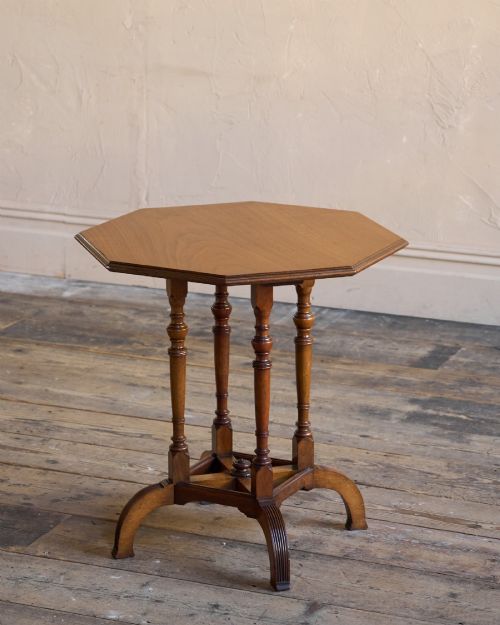
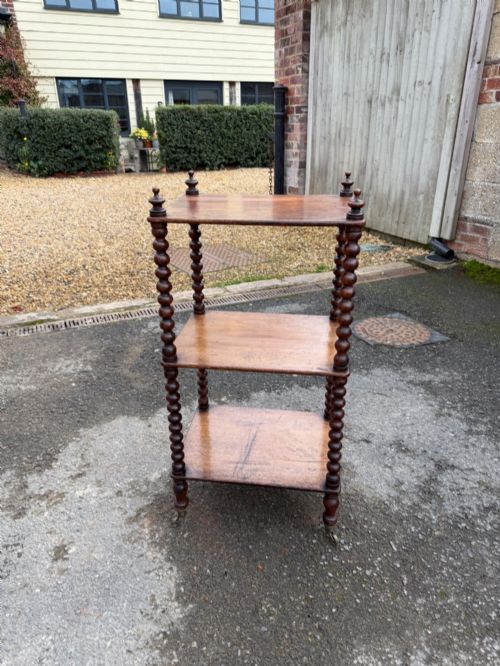
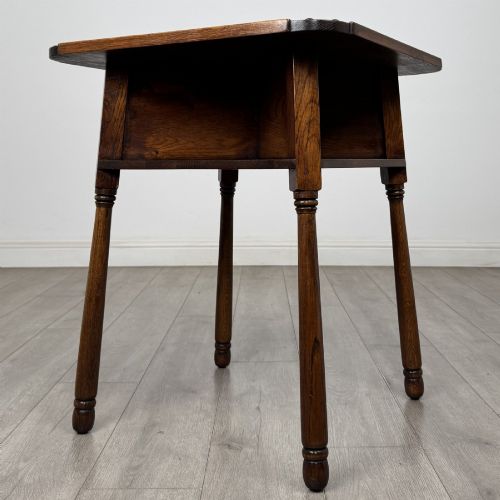
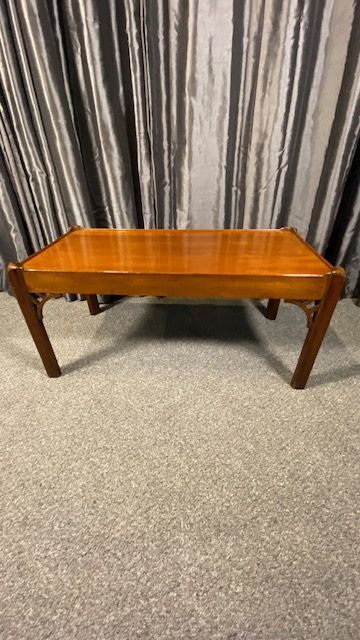
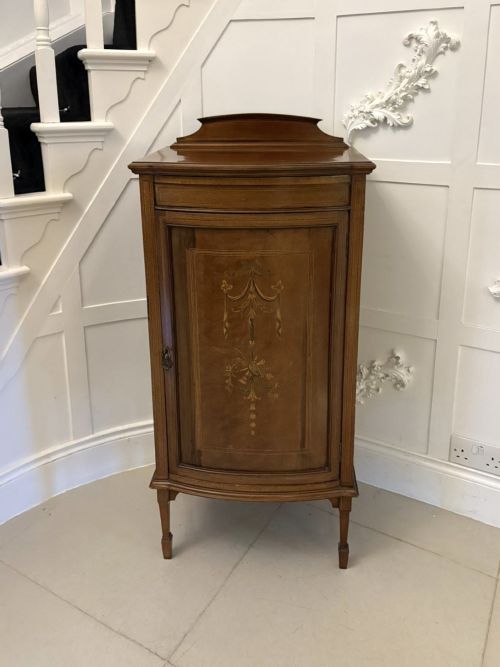
These brown corner table pieces turn awkward room angles into practical surfaces, spanning periods from the eighteenth century onwards in mahogany, oak, and walnut.
Brown Corner Table
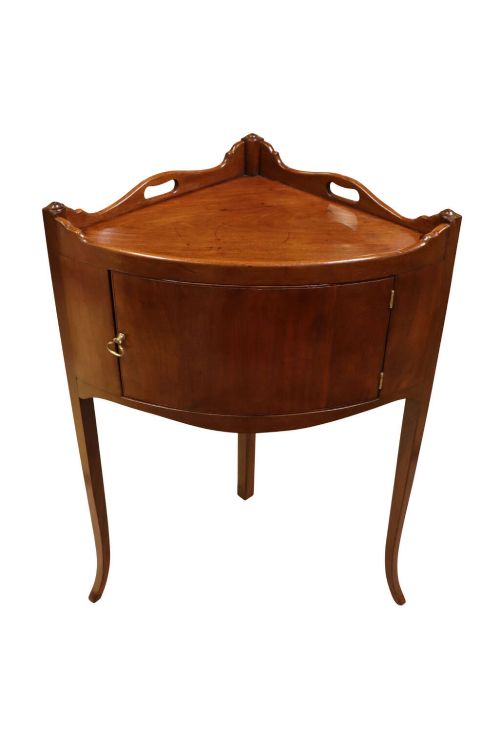
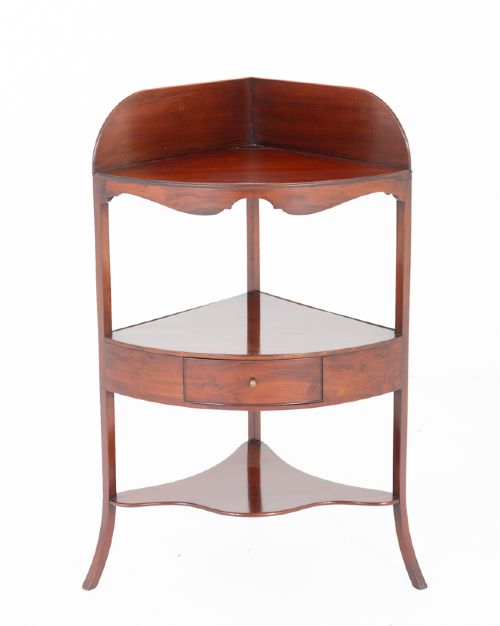
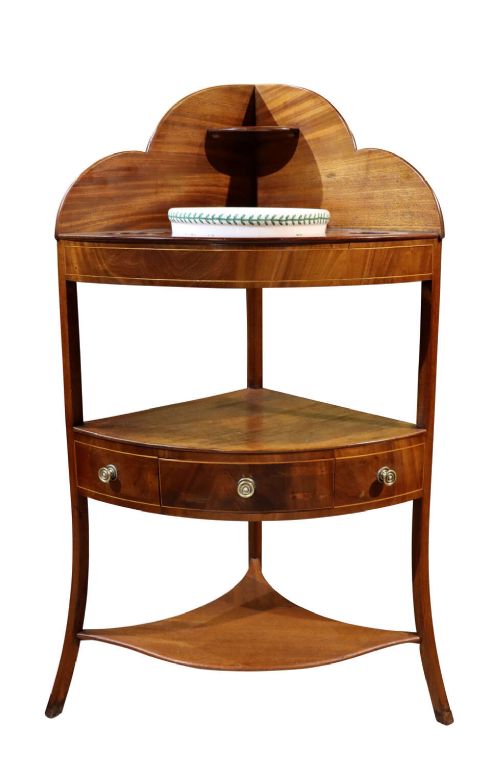
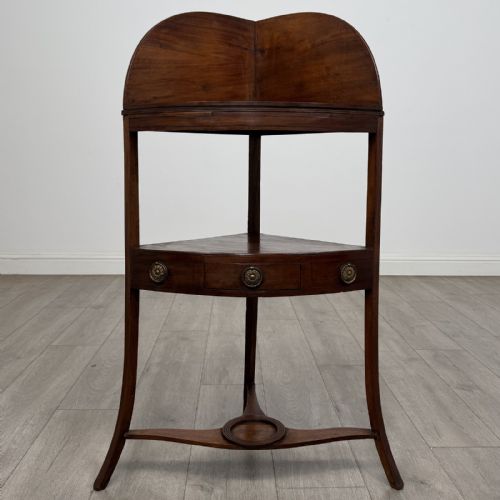
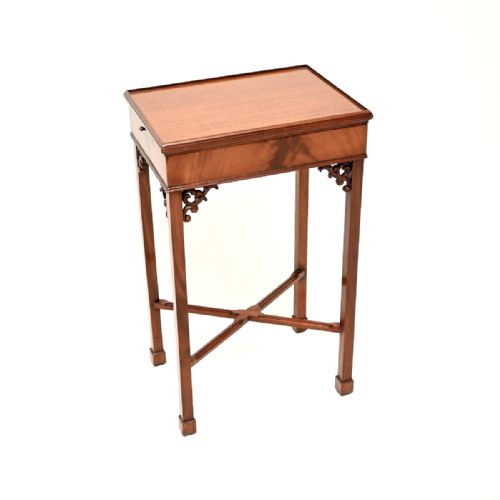
A brown corner table is designed to fit flush into a room intersection, typically appearing as a mahogany corner stand or washstand from the Georgian and nineteenth-century periods.
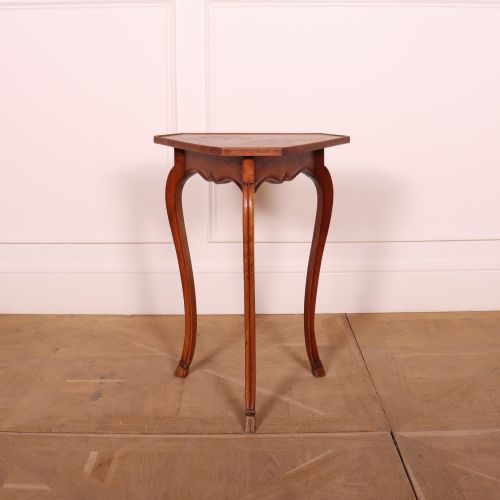
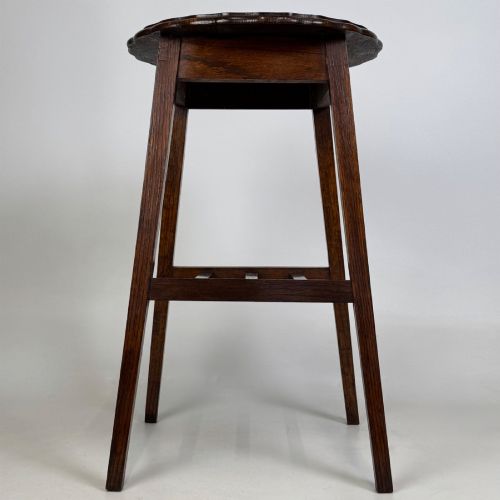
Buyers will frequently encounter mahogany and oak examples featuring triangular or shaped tops, often incorporating galleries or shelving to maximise utility in limited spaces.
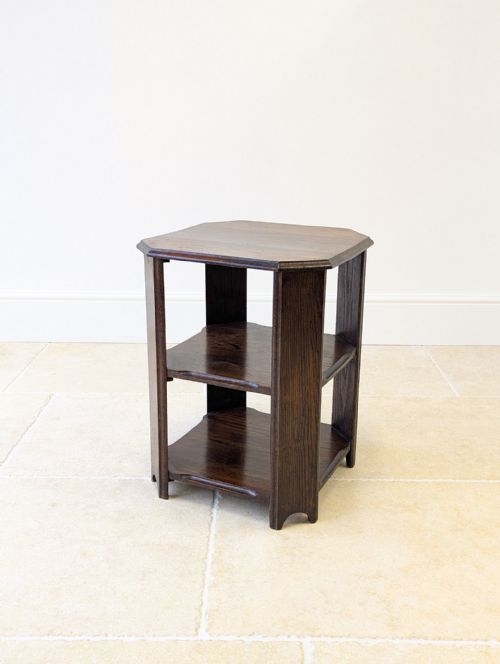
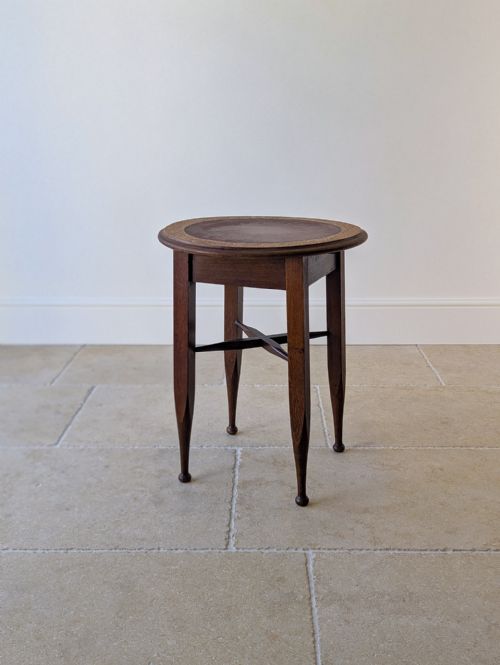
The selection ranges from early Georgian washstands to Edwardian occasional pieces, all sharing a utilitarian footprint shaped to suit room perimeters.
How they were made
Cabinetmakers constructed these pieces primarily in solid timbers such as mahogany, oak, and walnut, frequently employing brass fittings for hardware and campaign elements.
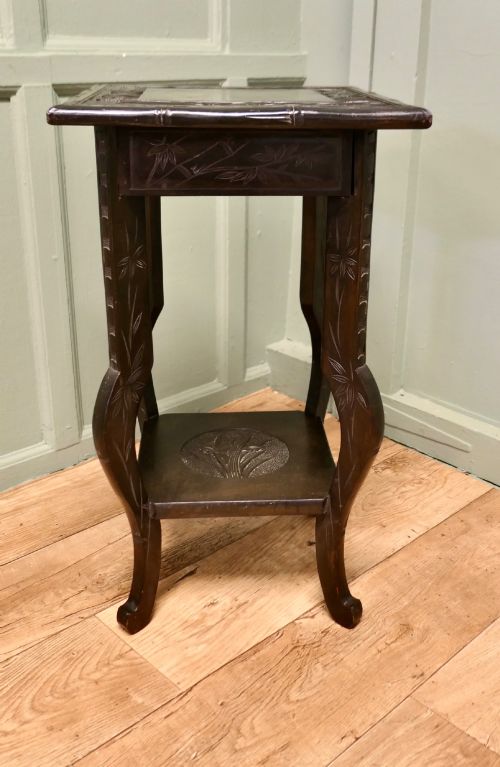
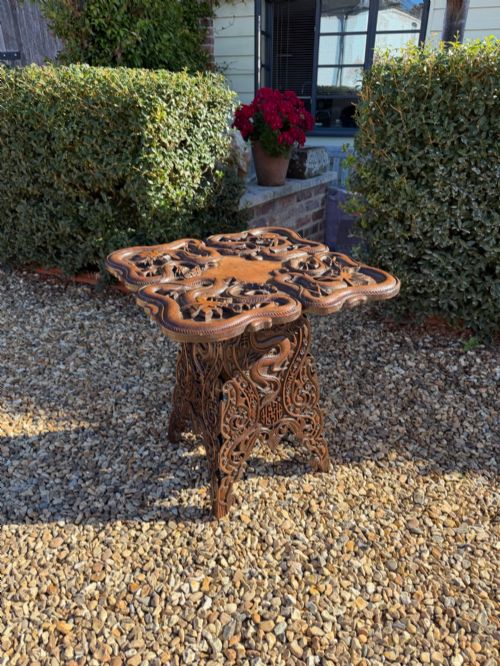
Surfaces often display inlaid satinwood, carved details, or original paint finishes, reflecting the stylistic preferences of periods spanning from the eighteenth to the early twentieth century.
Brown Corner Table Retail Price Guide 2026
Typical asking prices for brown corner table among the pieces listed under this phrase on Sellingantiques today, from the lower quarter to the upper quarter. They describe what is for sale here now, not the wider market.
Some corner tables spent their youth holding jugs of cold water before retiring to the corner to hold modern telephone lamps.
What varies in quality
Quality rests in the selection of timber figures, such as burr walnut or figured mahogany, and the crispness of hand-carved mouldings or inlay work.
Structural integrity depends on the original joinery of the corner angles and whether galleries, shelves, or drop-leaf mechanisms remain intact without later alterations.
The Brown Corner Table Glossary
- Corner stand
- A piece specifically built with a triangular footprint to occupy room angles. These often feature raised galleries to retain items placed upon them.
- Gallery
- A raised wooden border running along the edge of a table or stand top. It prevents objects from sliding off the surface.
- Washstand
- A functional table designed to hold washing basins and pitchers. Many surviving examples double easily as corner tables today.
- Occasional table
- A small, movable table intended for sporadic use around a room. They appear in various polygonal and square configurations across the Victorian and Edwardian eras.
- Campaign style
- Furniture constructed for portability, frequently incorporating brass corners and handles. These pieces were built to withstand travel.
Brown Corner Table: Frequently Asked Questions
Where do I place a brown corner table?
These tables fit naturally into empty room intersections where standard rectangular furniture leaves dead space. They suit hallways, bedrooms, and sitting rooms.
Position one where an awkward junction needs a functional surface for lamps, plants, or decorative objects.
How do I identify a Georgian corner table?
Georgian examples typically feature dense mahogany timbers, straightforward tripod bases or three-legged bracket supports, and raised wooden galleries. They rely on proportion rather than heavy ornamentation.
Look for traditional joinery methods and period-specific candle slides or washbasin cut-outs where applicable.
Can these tables hold heavy lamps?
Solid hardwood construction in mahogany and oak provides sturdy support for standard table lamps and decorative items. The three-legged corner design distributes weight effectively against walls.
Ensure the wall fixings or leg joints remain stable before placing valuable or heavy items on top.
What is the difference between a washstand and a side table?
Washstands were originally manufactured with integrated cut-outs in the top surface to hold basins for washing. Side tables feature flat, continuous surfaces designed for general placement.
Many washstands now function simply as corner tables once the original ceramic basins are removed.