

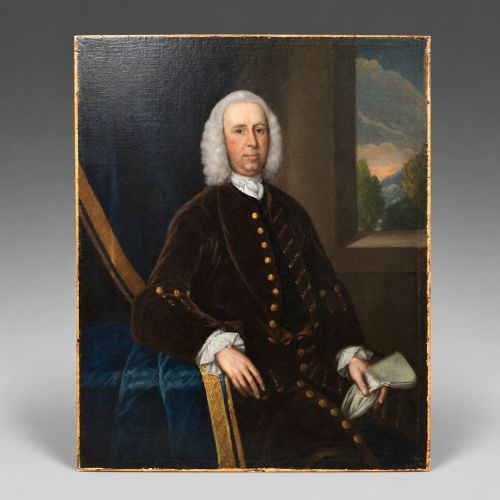
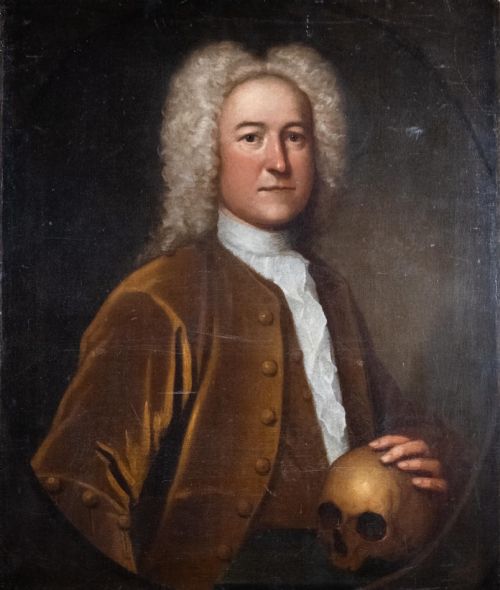
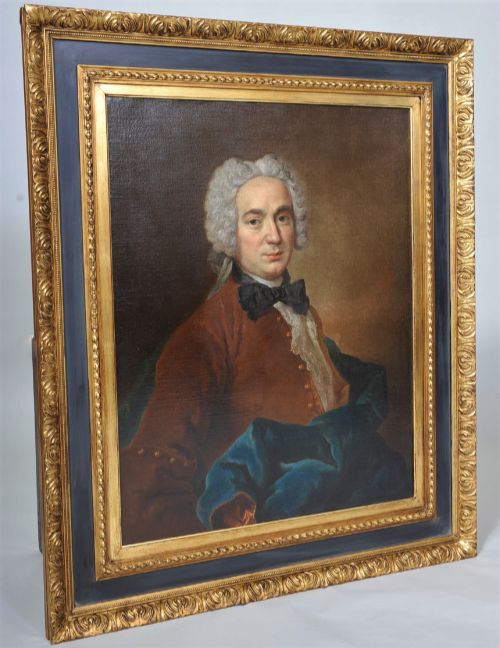
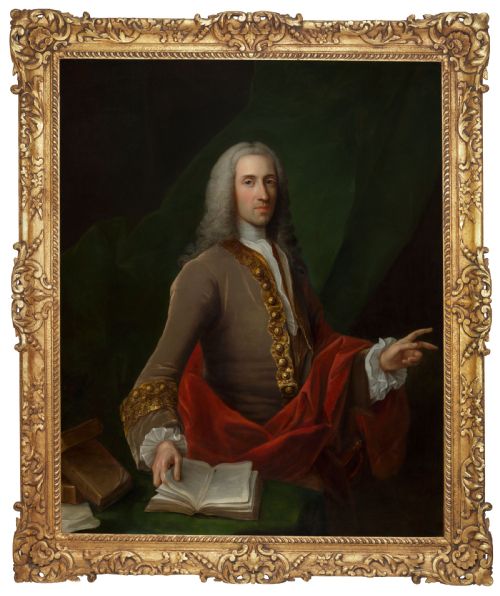
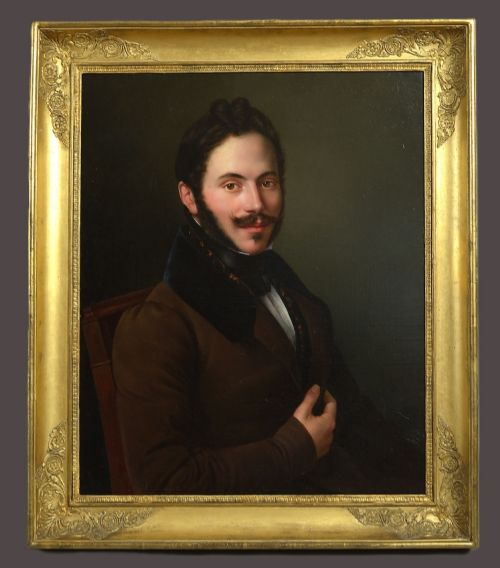
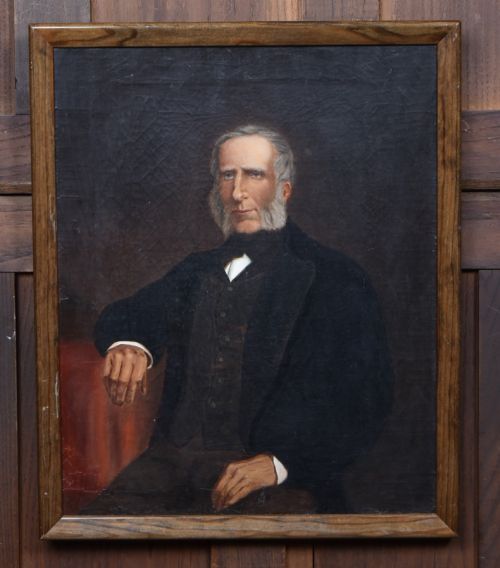
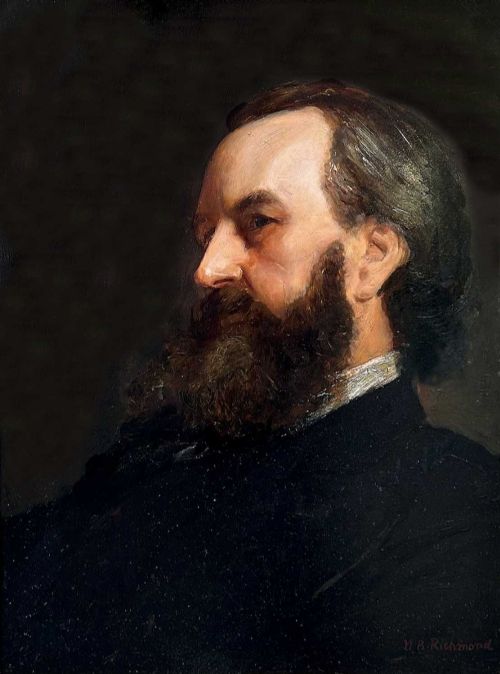


Brown Coat Oil Portrait
A brown coat oil portrait brings the presence of past centuries into a room through pigment on canvas.
Brown Coat Oil Portrait
A brown coat oil portrait captures sitters from the seventeenth century onward, often depicted in formal or sporting attire. These works range from grand canvases to intimate miniature paintings on wood.
The versions most commonly met on this page date from the eighteenth and nineteenth centuries, spanning Georgian and Victorian periods. Subjects include gentlemen, ministers, artists, and family members.
Many items derive from British and Dutch schools, reflecting portrait traditions of those eras.
Materials and Technique
These works use oil paint applied to canvas or wood panels, sometimes housed in frames of giltwood and gold leaf.
Artists built up layers of pigment to render facial details, clothing textures, and surrounding backgrounds with depth.
Brown Coat Oil Portrait Retail Price Guide 2026
Typical asking prices for brown coat oil portrait among the pieces listed under this phrase on Sellingantiques today, from the lower quarter to the upper quarter. They describe what is for sale here now, not the wider market.
Several gentlemen share the wall with curly-coated retrievers and pointers.
Assessing Quality
Quality rests in the precision of the brushwork and the psychological depth captured in the sitter's expression. Skill in rendering hands, clothing folds, and background elements distinguishes master works from simpler school pieces.
Condition of the canvas and pigment stability also shape the piece, alongside the documented attribution to a known painter.
Sir William Beechey·Jeremiah Davison·Edouard Pingret·Margaret Sarah Carpenter·William Blake Richmond·Richard Baxter·Edwin Marsh·Richard Cosway·Thomas Hudson·Samuel John Egbert Jones·Francis Alleyne·Sir James Guthrie·Lemuel Francis Abbott·Benjamin Marshall·Allan Ramsay·Sir Joshua Reynolds·Sir Godfrey Kneller·Sir William Charles Ross
The Brown Coat Oil Portrait Glossary
- Oil on Canvas
- Pigment mixed with drying oil applied to a stretched woven fabric support. This method became standard for fine art paintings from the Renaissance onward.
- Giltwood
- Wood carved and covered with a thin layer of gold leaf or metallic powder. It forms ornate frames for historical portraits.
- Miniature Painting
- A small-scale portrait requiring meticulous detail and fine brushes. These pieces often fit into portable cases or specialised frames.
- Dutch Golden Age
- A period in seventeenth-century art known for mastery in portraiture and realism. Works from this tradition emphasise natural lighting and psychological observation.
Brown Coat Oil Portrait: Frequently Asked Questions
What periods do these portraits cover?
The available selection spans from the seventeenth century through to the early twentieth century. Pieces hail from distinct eras including the Georgian, Regency, and Victorian periods.
Earliest examples date to the seventeen-hundreds, while later works extend into nineteen-twenty.
How were these paintings displayed?
Historical portraits hung primarily in country houses, libraries, and formal reception rooms to display lineage and status. They sat within heavy wooden frames, often gilded to catch candlelight.
Today, they function well in study spaces or living rooms as focal points above mantelpieces.
Who are the subjects in the paintings?
Subjects include lords, clergymen, lawyers, merchants, and family members of the landed gentry. Artists also painted military officers, sportsmen with their dogs, and public figures.
Some works record specific identities with biographical details, while others depict anonymous sitters from British and European schools.
How do I care for an oil portrait?
Keep paintings away from direct sunlight and fluctuating humidity to protect the canvas and oil pigments. Dust the surface and frame gently with a soft, dry brush.
Avoid using liquid cleaners on the paint layer and consult a professional conservator for deep cleaning.