




Brown Ceramic Statue
These brown ceramic statue selections bring together centuries of modelled figures, animals and busts.
Brown Ceramic Statue
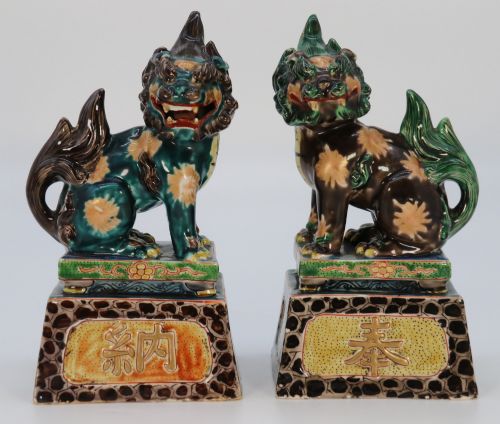
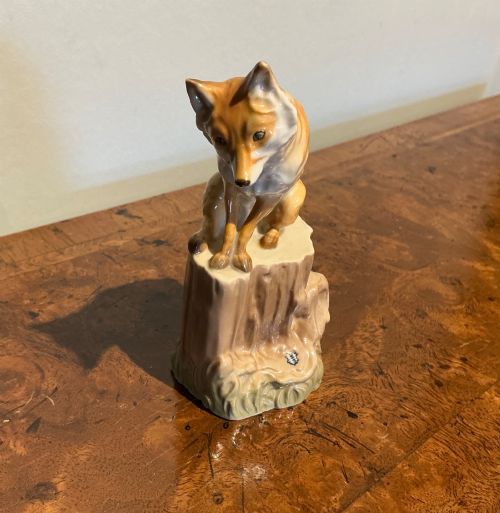
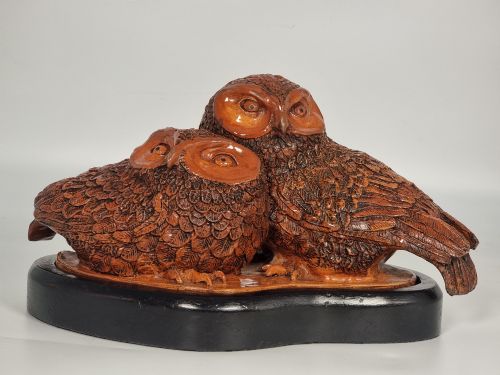
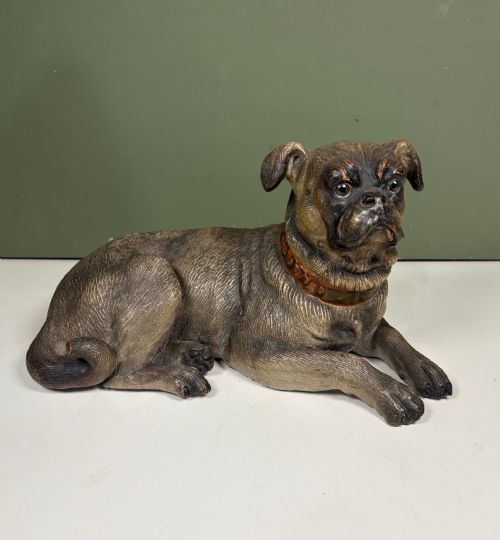
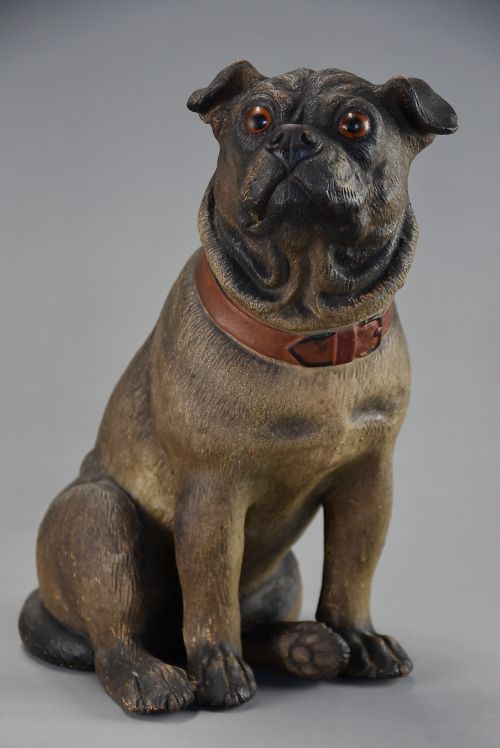
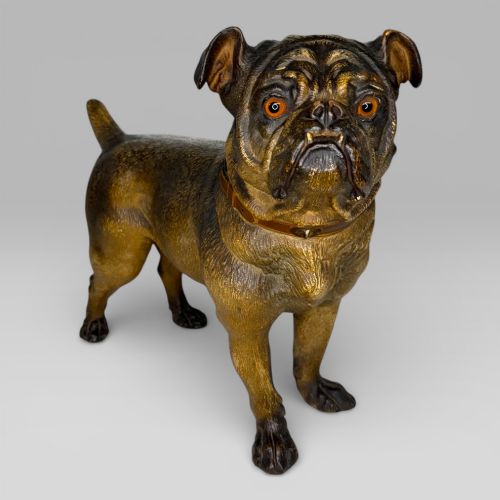
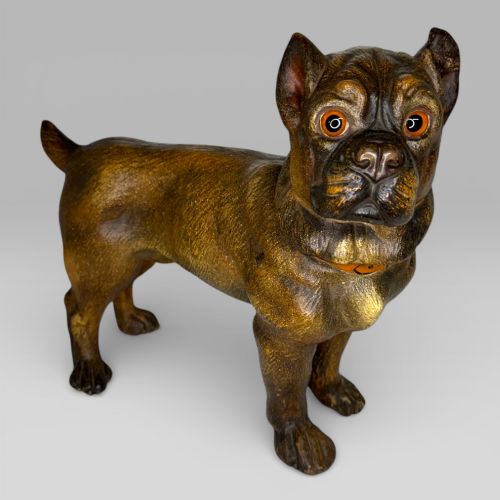
A brown ceramic statue search reveals figural works spanning the eighteenth century through to the art deco period, alongside older pottery traditions. Buyers encounter everything from life-size terracotta hound sculptures and pug dogs to oriental lion dogs and portrait busts.
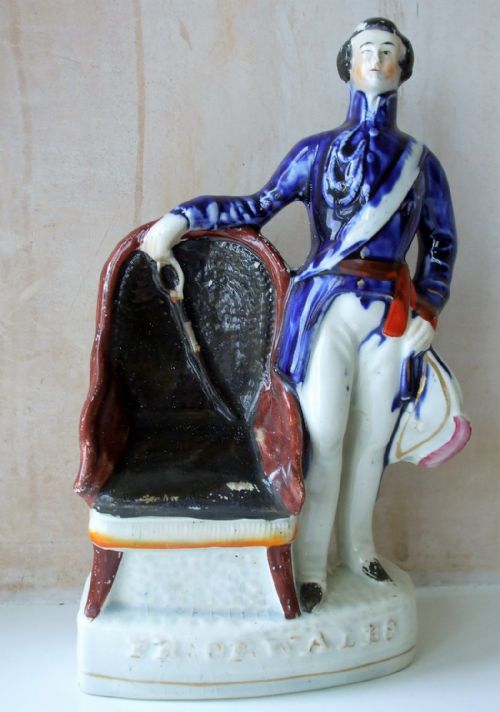
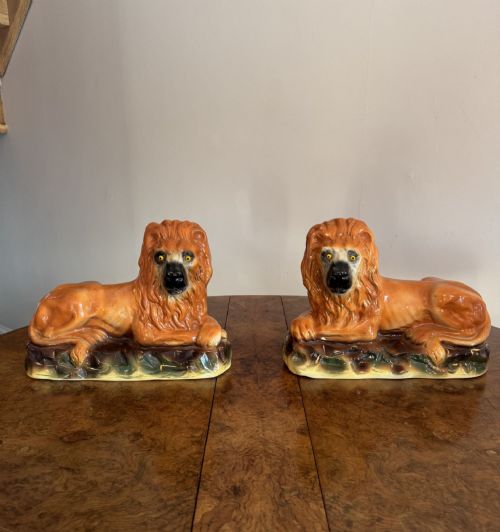
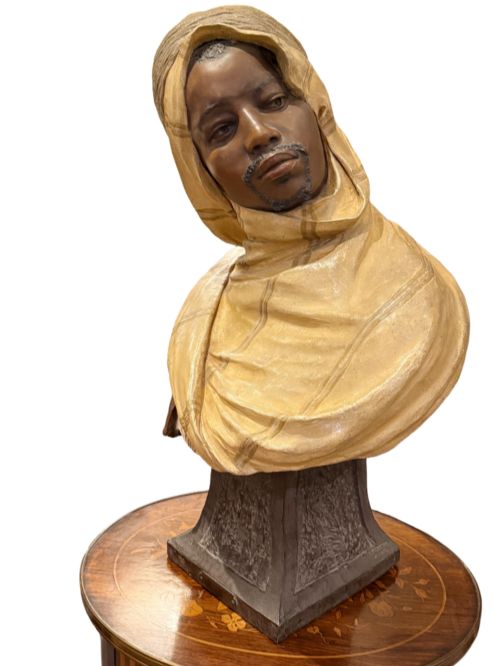
The selections on this page lean heavily toward nineteenth-century European terracotta and earthenware animals, including Staffordshire lions and Austrian dog sculptures. Human subjects range from classical maidens and shepherdess statuettes to dramatic orientalist busts produced by continental manufacturers.
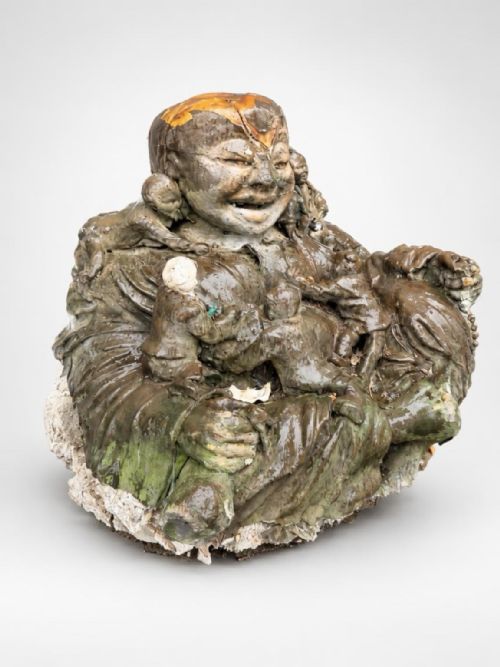
Earlier centuries appear through specific regional traditions, such as Chinese pottery figures and ancient pre-columbian earthenware items. These diverse origins share a common reliance on fired earth and modelled form.
Materials and production methods
Makers shaped these brown ceramic statue objects primarily from terracotta, earthenware and porcelain, utilising both hand-sculpting and mould-casting techniques. Terracotta pieces often received painted surfaces or specialised glazes to enrich the earthy tones of the fired clay.
Porcelain and earthenware figures relied on careful kiln firing followed by meticulous enamelling or glaze application. Artisans on some models added fine details through surface painting after the initial glaze firing to accentuate facial expressions and costume drapery.
Brown Ceramic Statue Retail Price Guide 2026
Typical asking prices for brown ceramic statue among the pieces listed under this phrase on Sellingantiques today, from the lower quarter to the upper quarter. They describe what is for sale here now, not the wider market.
Object types span decorative figures, portrait busts, animal models and sculptural groups.
Assessing quality in modelled figures
The reputation of the studio or workshop heavily influences standing, with renowned makers achieving greater precision in anatomy and structural balance. Larger life-size pieces demand exceptional skill during the drying and firing stages to prevent warping, marking the finest works.
Goldscheider·Royal Dux·Rosenthal·Meissen·Royal Worcester·Wedgwood·Lancaster and Sons
The Brown Ceramic Statue Glossary
- Terracotta
- A porous, brownish-red fired clay used extensively for sculptural figures and architectural ornaments. This material forms the base of many large continental dog sculptures and portrait busts.
- Earthenware
- Pottery fired at lower temperatures that remains porous unless glazed. It serves as the primary body for traditional Staffordshire figures and animal models.
- Sancai
- A low-firing lead glaze technique producing amber, green and cream coloured effects. This finish appears frequently on Chinese pottery figures modelled in historical styles.
- Pearlware
- A fine earthenware developed in the eighteenth century featuring a thin glaze with a faint bluish tint. It provided a smoother surface for polychrome enamel painting on figures.
- Bust
- A sculpted or moulded representation of a person from the chest up. These objects capture specific sitters or idealized types in terracotta and porcelain.
Brown Ceramic Statue: Frequently Asked Questions
Are these figures solid clay?
Many larger nineteenth-century terracotta sculptures and animal models are hollow to allow even drying and firing in the kiln.
Smaller figurines and porcelain pieces are often cast solid or constructed with thick walls for structural stability.
How do I identify the period?
Examine the base for impressed maker marks, registration numbers or handwritten studio signatures that link the piece to active manufacturing dates.
Style indicators such as victorian drapery, art nouveau curves or art deco geometry also point toward specific decades of production.
Where were these statues displayed?
Large terracotta animal sculptures and life-size dogs typically decorated Victorian entrance halls, conservatories and formal gardens.
Smaller porcelain and earthenware figurines sat upon mantelpieces, drawing room tables and dedicated collector cabinets.