



Brown Ceramic Animal
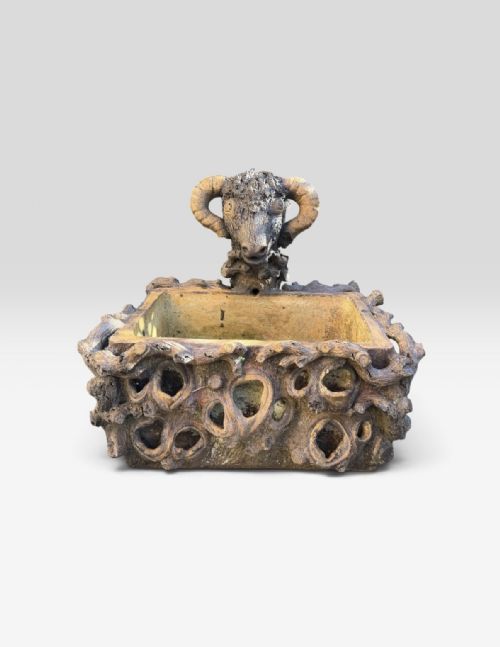
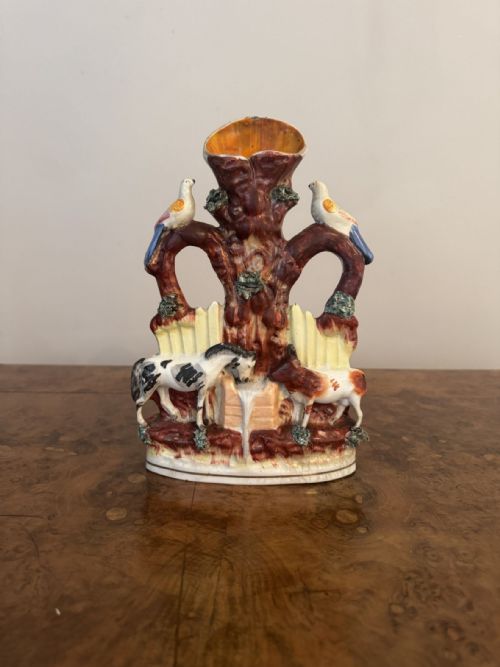
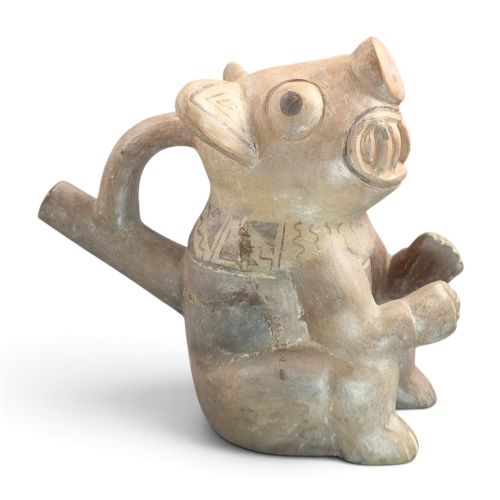
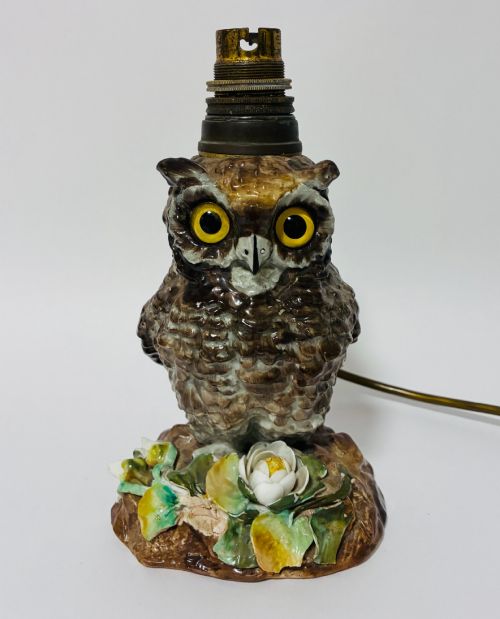
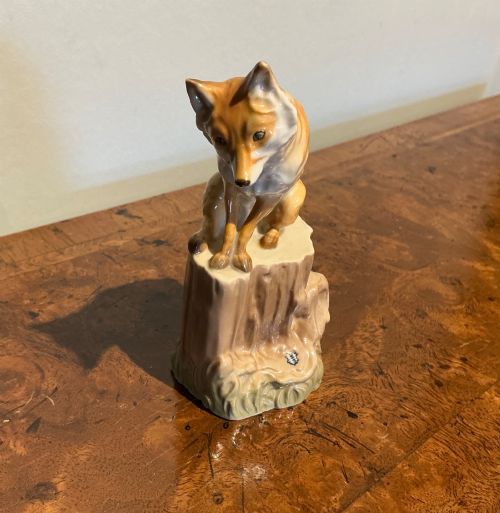
These brown ceramic animal pieces bring character to a room through centuries of modelled earthenware, terracotta, and porcelain figures.
Brown Ceramic Animal
A brown ceramic animal encompasses figures, sculptures, lamps, and vessels modelled as dogs, lions, stags, and birds. These pieces draw from eras including the Georgian period, the Victorian age, and the early twentieth century.
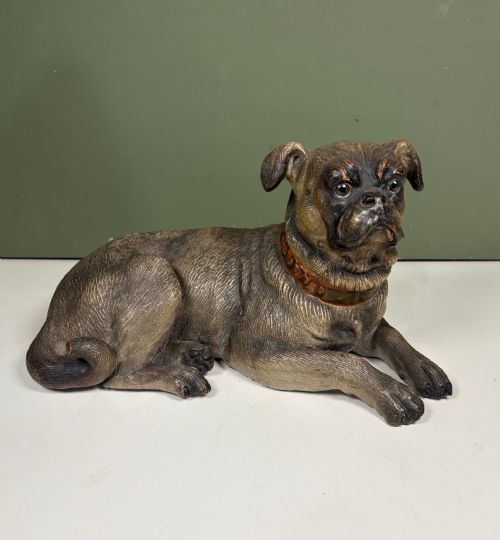
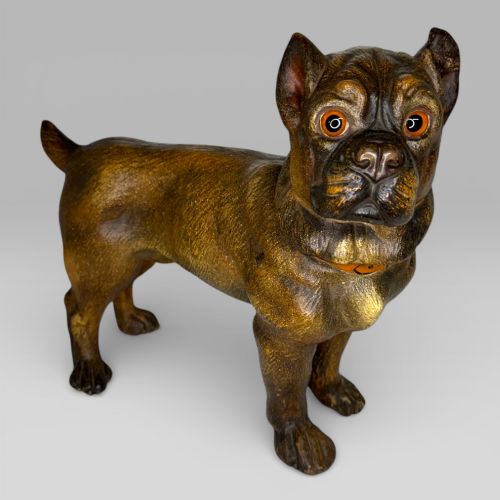
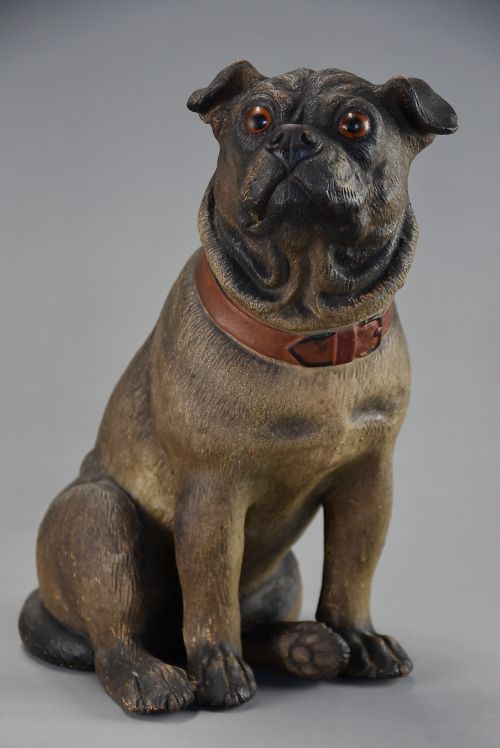
The most common examples on this page are Victorian Staffordshire pugs and lions, alongside Austrian terracotta dog sculptures and Continental porcelain figures. Makers ranged from English potteries to German and Austrian factories.
Forms serve both decorative and practical uses, spanning from mantelpiece ornaments and spill vases to table lamps and children's alphabet mugs.
Materials and methods
Makers utilised earthenware, terracotta, pearlware, and porcelain, shaping bodies by hand or casting them in moulds before firing. Glazes applied to the surfaces include lead glaze, treacle glaze, and salt glaze to achieve rich brown tones.
Brown Ceramic Animal Retail Price Guide 2026
Typical asking prices for brown ceramic animal among the pieces listed under this phrase on Sellingantiques today, from the lower quarter to the upper quarter. They describe what is for sale here now, not the wider market.
Pug dogs dominate the nineteenth-century terracotta lineup, staring back with melancholic expressions from desks and mantelpieces.
Assessing quality
Quality rests on the sharpness of the moulding and the expressive detail of the animal's form. Crisp definition around the eyes, paws, and fur separates superior sculptures from softer, simpler castings.
The depth and consistency of the glaze also define the piece, with rich treacle or salt glazes showing smooth coverage without pooling or dull patches.
Nymphenburg figure·Rockingham Pottery·Derby porcelain·Rosenthal greyhound·Bernard Bloch Austria·Staffordshire figure
The Brown Ceramic Animal Glossary
- Terracotta
- A porous, unglazed or glazed fired clay body ranging in colour from orange-brown to deep red-brown. It allows for fine sculptural detail in animal figures.
- Treacle glaze
- A dark, lustrous brown lead glaze that gives pottery a glossy, syrup-like finish. It frequently coats nineteenth-century Staffordshire lions and dogs.
- Staffordshire
- A generic term for pottery made in the Staffordshire Potteries region of England. Figures from this area often depict lions, pugs, and deer.
- Bocage
- An applied background of leaves and branches made of porcelain or ceramic. This foliage frames figures such as stags and does.
- Pearlware
- A fine-grained earthenware developed in the late eighteenth century with a bluish glaze that pools in recesses. It forms the body of early Staffordshire figures.
Brown Ceramic Animal: Frequently Asked Questions
How do I date a ceramic animal?
Dating relies on the ceramic body type, the style of the glaze, and the casting methods used by the pottery. Examining the base and any impressed marks provides further clues to the period.
Changes in manufacturing techniques from the Georgian era through the Victorian period and into the twentieth century help narrow down the decade of production.
Where were Staffordshire animal figures placed?
Staffordshire figures of lions, dogs, and stags were traditionally displayed on mantelpieces in pairs. They sat facing inwards toward each other to frame the fireplace.
Today, these pieces serve as decorative accents on bookshelves, side tables, and desks throughout the home.
What is a spill vase?
A spill vase combines an animal figure with an attached hollow cylinder designed to hold thin wooden spills. These spills were used to transfer flames from the hearth to candles or pipes.
Over time, the practical use faded, leaving the vessels appreciated purely for their sculptural combination of animal forms and floral elements.
How do I clean antique terracotta?
Antique terracotta requires gentle dusting with a soft, dry brush to prevent dirt from settling into the porous clay. Moisture should be avoided because unglazed terracotta absorbs liquids easily.
Glazed ceramic animals tolerate a lightly damp cloth, but dry cleaning remains the safest method for preserving historic surfaces.