


Brown Cast Iron
These brown cast iron pieces bring heavy utility and dark metal warmth to a room, spanning garden urns, stick stands and boot scrapers.
Brown Cast Iron
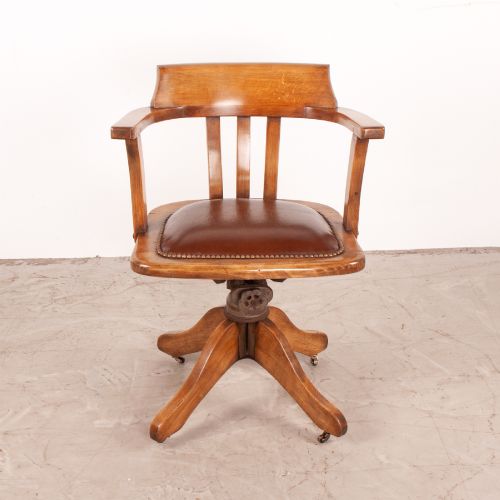
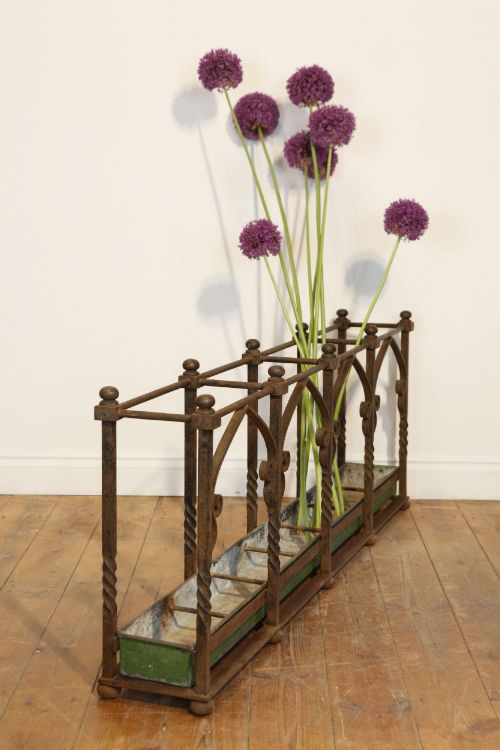
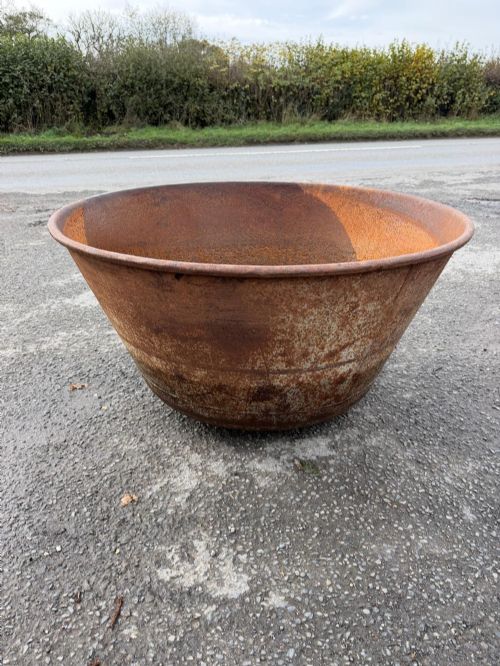
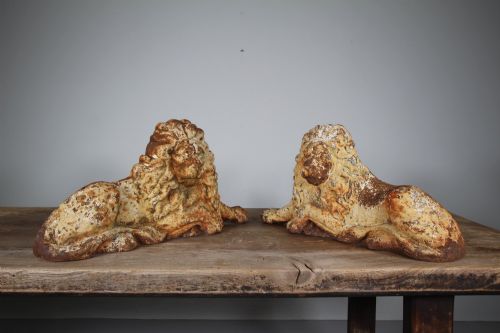
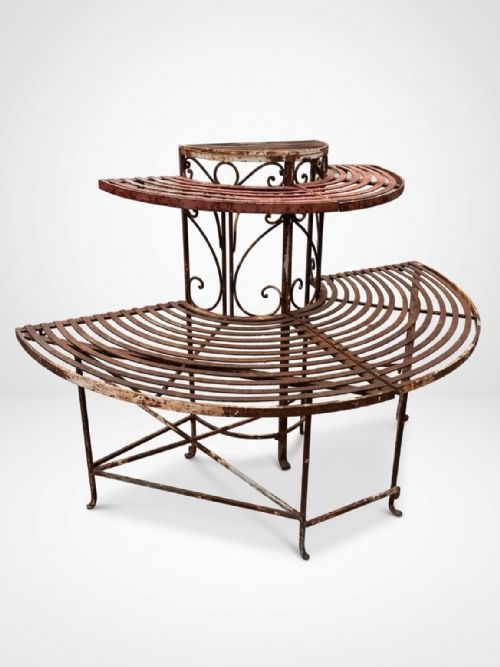
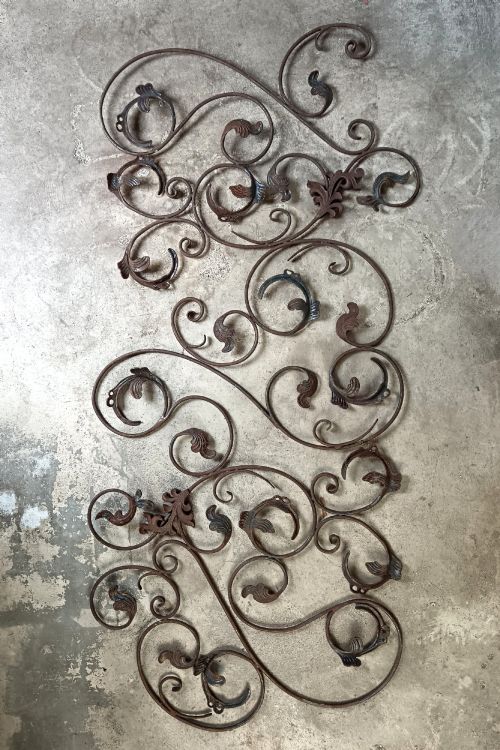
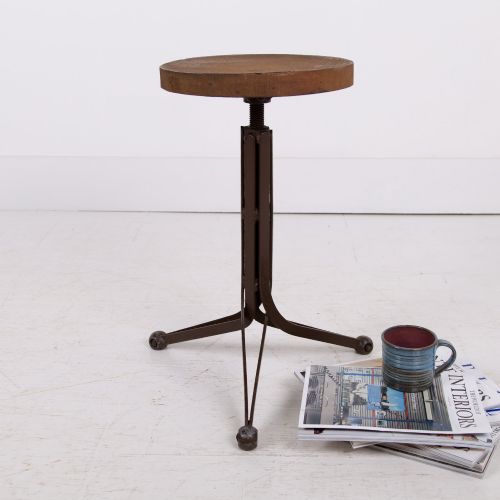
When you search for brown cast iron, you encounter heavy functional items and structural salvage spanning the Victorian era and early twentieth century. The selection ranges from umbrella stands and boot scrapers to garden planters, desk chairs, and architectural panels.
You are most likely to meet utilitarian pieces cast for everyday use in hallways, gardens, and workshops, often retaining traces of old paint or oxidised surfaces. These objects combine robust utility with decorative ornamentation from periods including the Victorian and Edwardian eras.
How they were made
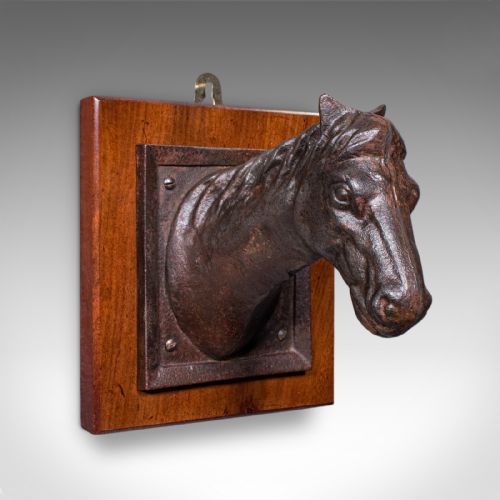
These items were produced by pouring molten metal into sand moulds, capturing intricate relief details for items such as ceiling roses, umbrella stands, and decorative garden urns. Makers often combined the primary metal with oak, timber, and brass components, mounting heavy iron sections onto wooden bases or frames.
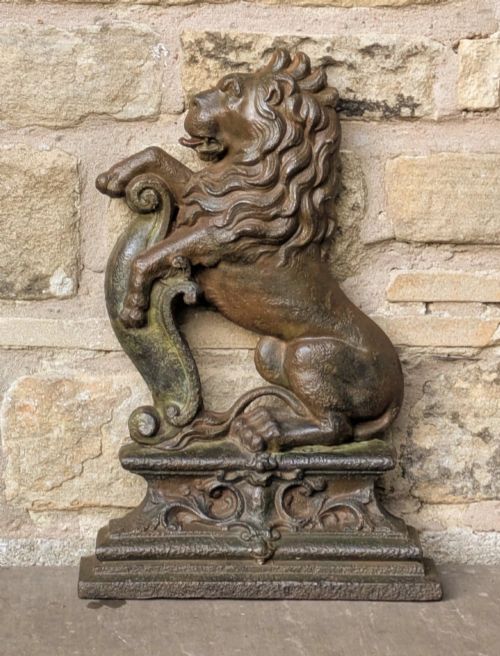
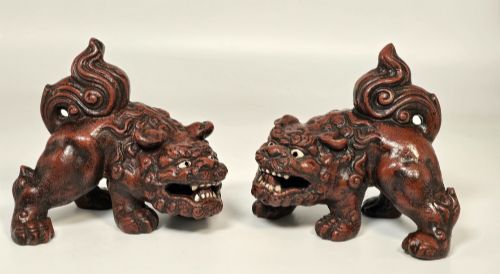
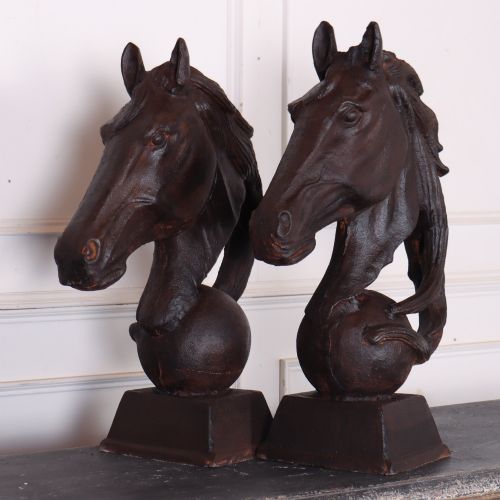
Surfaces were frequently finished with protective paint or left to weather outdoors, developing deep patinas over decades. Workshops utilised specialised casting techniques to achieve crisp lettering, foliage motifs, and sculptural animal forms.
Brown Cast Iron Retail Price Guide 2026
Typical asking prices for brown cast iron among the pieces listed under this phrase on Sellingantiques today, from the lower quarter to the upper quarter. They describe what is for sale here now, not the wider market.
The listings combine cast iron with oak, brass, and wrought iron across periods ranging from the seventeenth century to the 1930s.
What varies in quality
The standard of a piece rests upon the crispness of the casting detail and the depth of the original relief work, particularly on decorative items like stick stands and door stops. Sharper definition in foliage, figures, and lettering indicates superior foundry work.
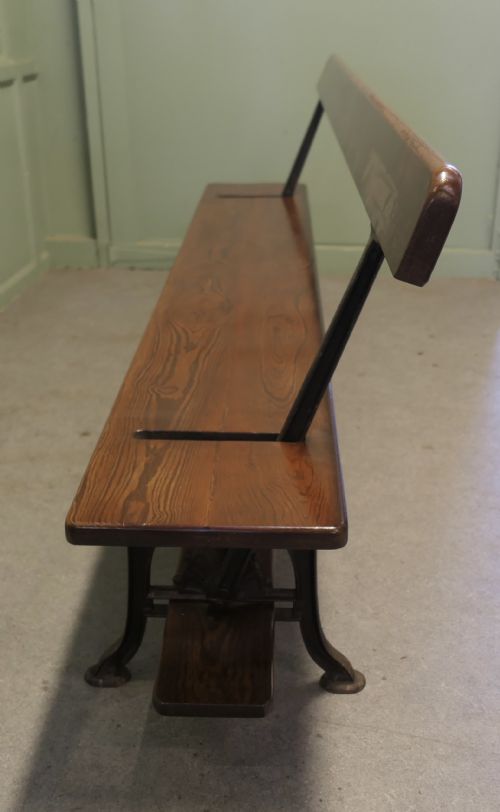
Proportion and structural integrity also separate standard items from finer examples, especially in pieces that combine heavy metalwork with timber components such as revolving desk chairs and ships tables.
Val D'Osne Foundry·A Kenrick Sons·Coalbrookdale·John Harper Co
The Brown Cast Iron Glossary
- Cast iron
- An iron-carbon alloy poured into moulds to create rigid, heavy objects. It provides high compressive strength and allows for intricate decorative relief.
- Boot scraper
- A small stationary iron blade fixed near a doorway for cleaning mud from footwear. They often feature ornate scrollwork and sturdy side flanges.
- Stick stand
- A hall furniture piece designed for holding umbrellas and walking sticks. Examples frequently incorporate drip trays and compartmentalised iron frames.
- Architectural salvage
- Building elements rescued from older structures for reuse or display. This category includes decorative balustrade panels, scrollwork, and ceiling roses.
- Foundry
- A factory where metal is melted and poured into moulds. Famous foundries produced marked garden urns and umbrella stands.
Brown Cast Iron: Frequently Asked Questions
How do I clean brown cast iron?
Brush away loose dust with a soft bristle brush to protect the aged surface and any remaining historic paint layers. Avoid harsh chemical cleaners that strip the natural patina.
Apply a light coat of neutral wax or specialised metal oil if the surface requires protection against moisture. Buff gently with a clean cloth to maintain a soft sheen.
Can these pieces stay outside?
Garden urns, planters, and boot scrapers were originally cast for outdoor use and withstand weathering well. Unprotected indoor items like desk chairs and mechanical banks should stay dry.
Place garden items on paving or gravel rather than directly on damp soil to reduce moisture absorption. Regular inspection prevents rust accumulation during winter months.
How do I date an iron piece?
Examine the casting style, assembly methods, and fixing screws to determine the period of manufacture. Victorian and Edwardian examples often feature registration marks or maker inscriptions.
Compare the surface wear and paint layers with known historical pieces from the same era. Heavier construction and simpler forms frequently point towards nineteenth-century origins.
Where should I place a stick stand?
Position your stick stand in an entrance hall or boot room where its utilitarian design remains functional. Ensure there is adequate space around the piece to display its ironwork.
Pair the stand with nearby wooden furniture or natural timber flooring to complement the dark metal tones. Keep a small tray underneath if the piece lacks an original drip pan.