
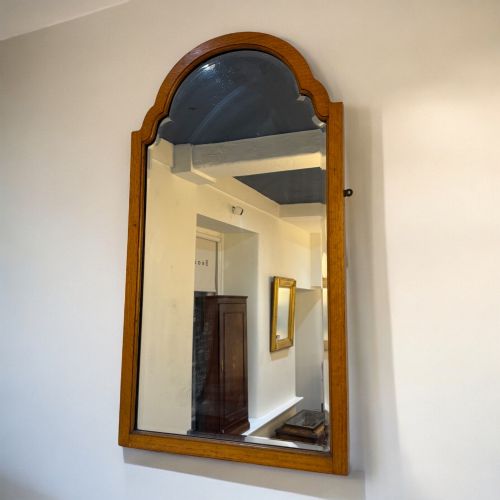
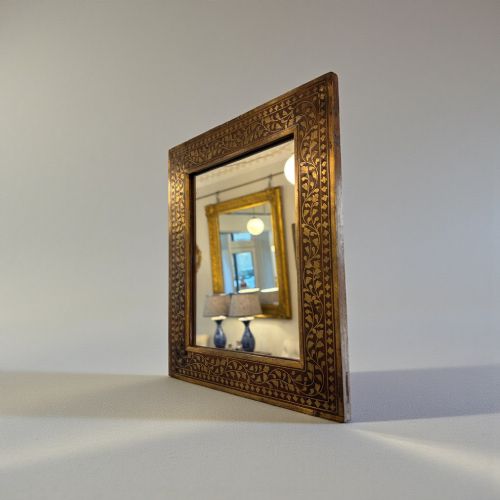
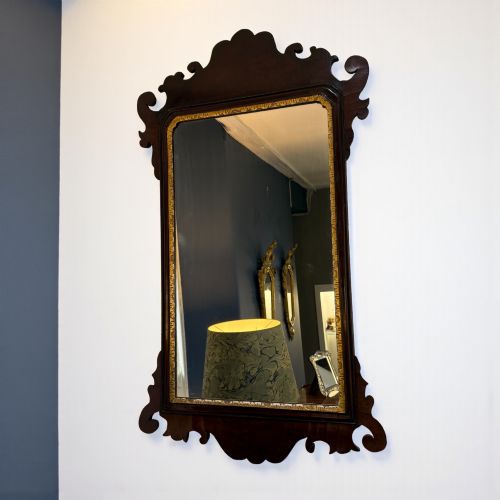
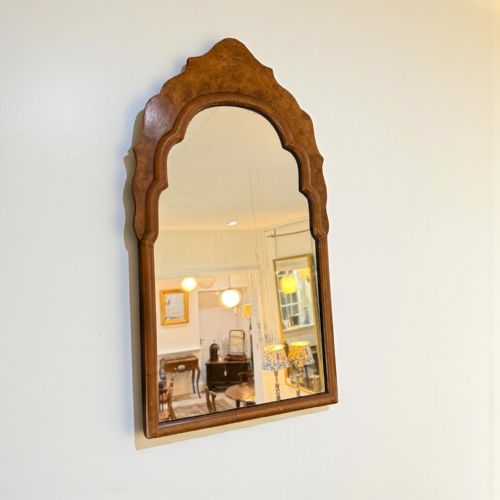


Brown Carved Wooden Frame
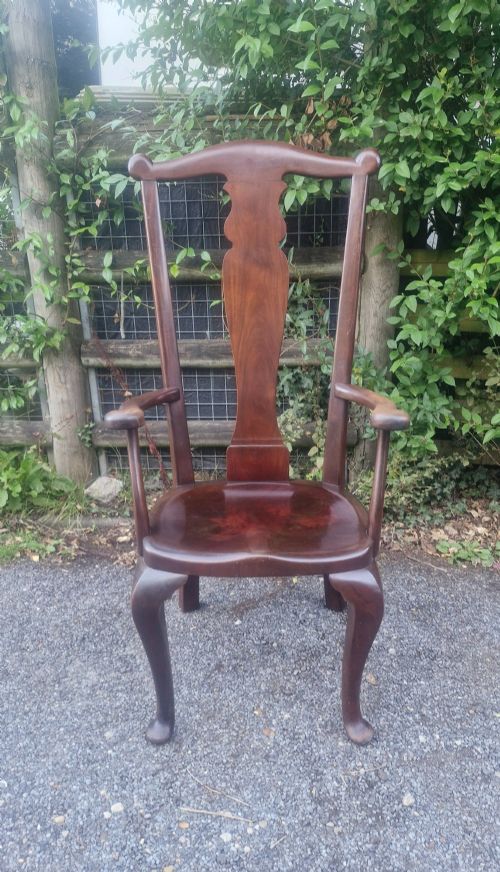
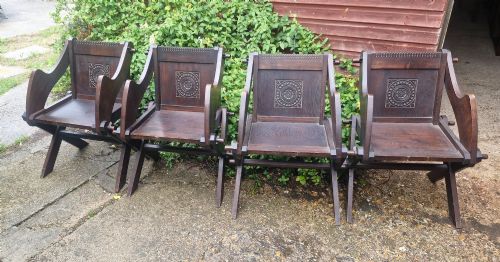
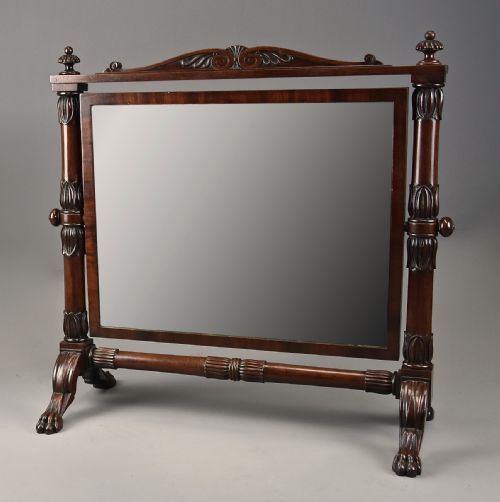
A brown carved wooden frame provides structural depth and warmth, anchoring wall mirrors, substantial beds and armchairs with solid period presence.
Brown Carved Wooden Frame
When searching for a brown carved wooden frame, buyers encounter a diverse selection of nineteenth-century and early twentieth-century furnishings built from domestic and imported timbers. The selection spans robust oak overmantle mirrors, mahogany wall glasses, and substantial beech or walnut bedframes.
The objects commonly appear in specific period iterations, notably Victorian, Edwardian, and Regency designs. Alongside British interpretations, French chateau and Gothic Revival influences shape the visual vocabulary of these carved wooden items.
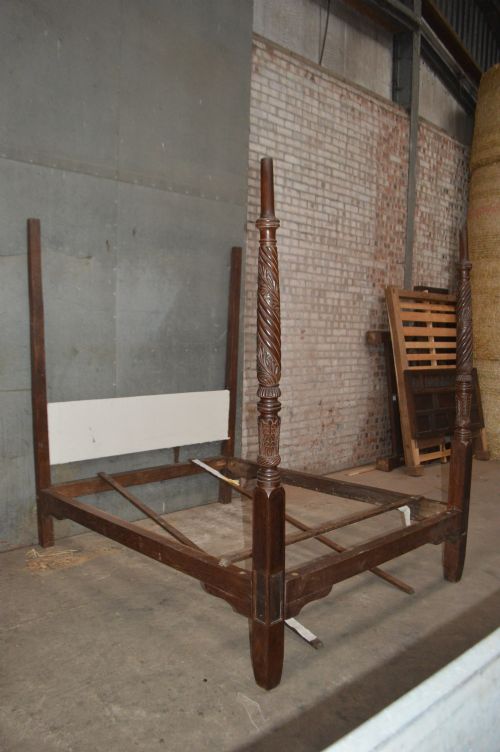
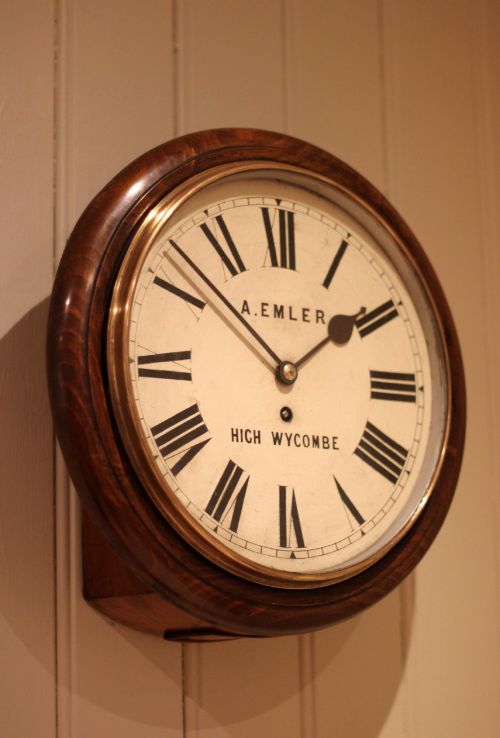
Beyond mirrors and seating, the category extends to architectural clock cases and four-poster bedsteads. Each piece relies on tactile timber grain and sculptural relief to create an enduring decorative impact in an interior scheme.
Materials and construction methods
Cabinet makers utilised dense hardwoods such as oak, mahogany, walnut, and fruitwood to build these frames. These timbers provided the necessary structural integrity for deep hand-carving and architectural joinery.
Surfaces were often shaped using chisel and gouge work, creating intricate relief patterns ranging from gothic tracery to French neoclassical motifs. Natural finishes, wax polish, and French polish were applied to enhance the rich colour and grain of the wood.
Structural glass and mirror plates were secured within rebated wooden channels, while larger bedsteads and overmantles employed traditional tenon and mortise joints to support considerable weight.
A royal prince and princess once went hunting in Scottish dress while immortalised in oil paint within a heavy wooden frame.
Determinants of quality
Quality rests primarily on the depth, crispness, and hand-carved execution of the timber ornament. Superior examples exhibit sharp undercutting and confident tool marks, whereas lesser pieces display shallow, mechanical pressing or sluggish moulding.
The choice of raw material significantly divides the grade of surviving items. Dense, figured Cuban mahogany, burr walnut, and quarter-sawn oak command greater respect than plain utility pines or secondary softwoods.
Structural integrity and proportion also separate standard domestic items from high-end regional or court workshop output. Well-balanced architectural framing and precise joint integration indicate superior manufacturing standards.
Oliver Morel·P & MA Nicholson
The Brown Carved Wooden Frame Glossary
- Overmantle mirror
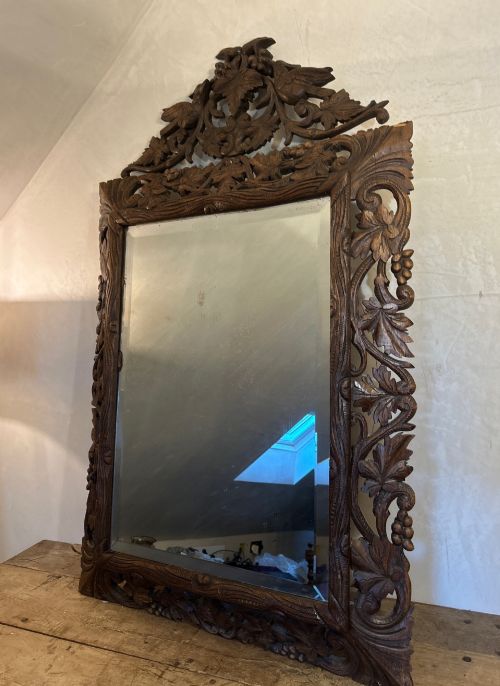
- A large wall glass specifically designed to hang above a domestic fireplace mantelpiece. These frames often incorporate heavy architectural mouldings and carved crests.
- Bedstead
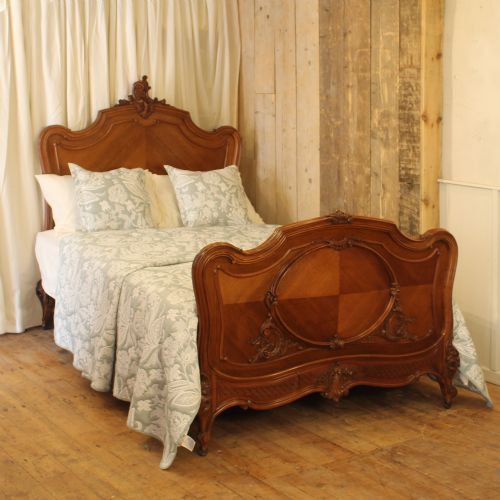
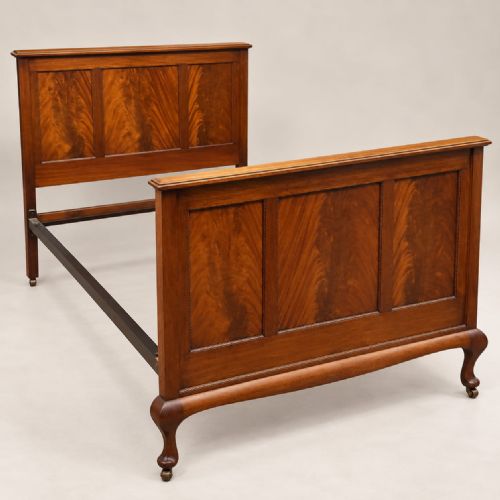
- A framework supporting a bed, distinct from modern divan bases. These pieces frequently showcase turned posts, panelled headboards, and carved wooden footboards.
- Gothic Revival
- An architectural and decorative style drawing inspiration from medieval design. It employs pointed arches, trefoils, and heavy carved oak construction.
- Parquetry
- A geometric mosaic of wood pieces used for decorative effect on furniture surfaces and bed panels. It combines contrasting timber tones to create intricate patterns.
- Fusee dial clock
- A timekeeping device driven by a chain and a fusee cone to maintain even tension as the mainspring unwinds. These movements are typically housed in heavy wooden wall frames.
Brown Carved Wooden Frame: Frequently Asked Questions
How do I date a brown carved wooden frame?
Dating relies on examining the timber species, tool marks left by the maker, and stylistic indicators such as Gothic Revival or Regency motifs. Secondary woods at the back of the frame also offer clues regarding the period of production.
Changes in hardware, screw types, and mirror glass manufacturing techniques help narrow down whether an item originates from the Victorian era or the early twentieth century.
Where should I place an overmantle mirror?
These large mirrors sit naturally above a fireplace in a principal reception room. Their substantial frames act as a visual anchor, reflecting light and balancing the proportions of the hearth.
Ensure the wall construction can support the considerable weight of solid oak or walnut framing before hanging these heavy architectural pieces.
Are these bed frames suitable for modern mattresses?
Many antique bedsteads require custom mattress sizes or slight adjustments to support contemporary mattress dimensions securely. Checking internal rail lengths before purchase ensures a proper fit.
Wooden slat systems can often be integrated discreetly within the historic frame to provide modern support without altering the visible exterior structure.
How do I maintain carved wooden frames?
Regular dusting with a dry, soft cloth prevents particulate accumulation within deep carved recesses. Applying a quality beeswax occasionally nourishes the historic timber and maintains a soft sheen.
Keep these items away from direct heat sources and strong sunlight to prevent the wood from drying out, warping, or splitting over time.