



Brown Burr Oak Table
These brown burr oak tables present striking swirling grain and deep rich colour, offering a stable and characterful surface for daily use.
Brown Burr Oak Table
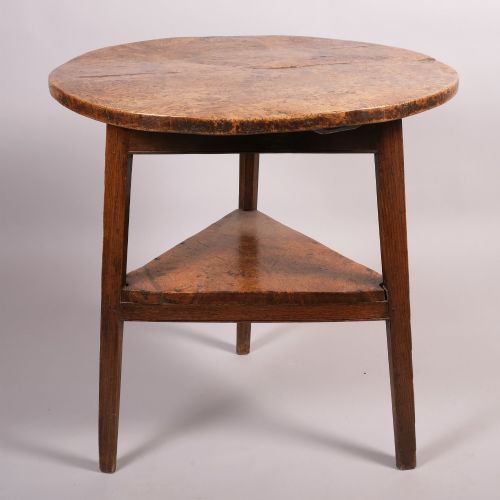
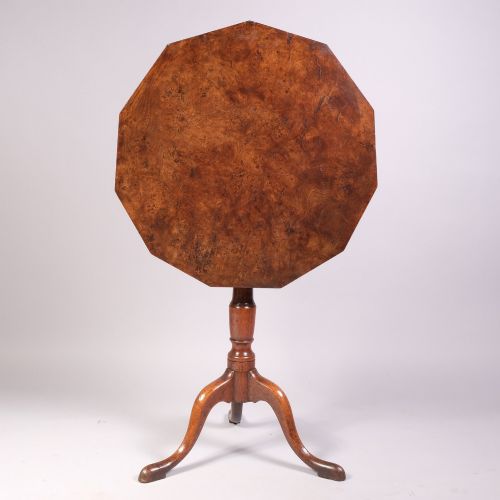
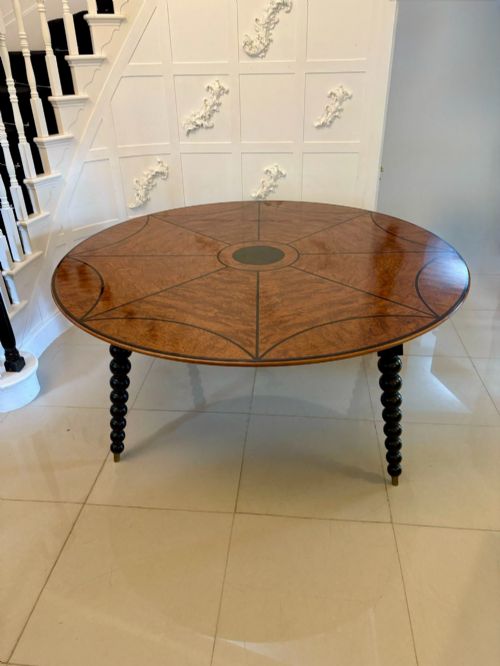
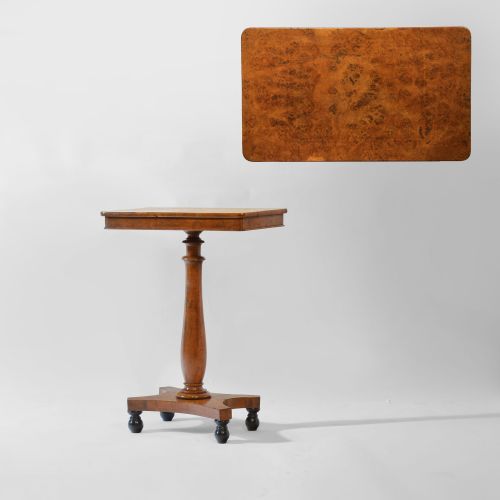
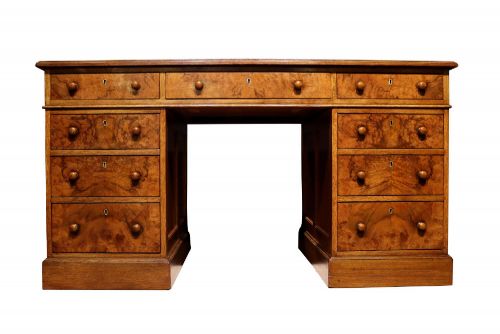
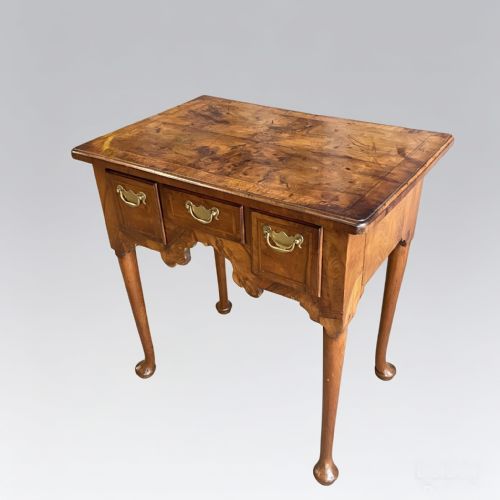
A brown burr oak table brings together robust construction and highly figured timber, appearing across forms such as occasional tables, dining tables, and card tables. The surfaces display complex knot formations and organic patterns that draw the eye immediately.
Most examples found here date from the nineteenth and early twentieth centuries, alongside earlier eighteenth-century prototypes and later revival pieces. Makers utilised the distinct timber on top surfaces while employing solid oak or related woods for the structural frame.
Buyers encounter diverse formats ranging from small tripod wine tables and drop-flap occasional pieces to large round dining tables. Each brown burr oak table relies on the natural growth anomalies of the tree to create a decorative top without painted ornament.
How they were made
Cabinetmakers selected burr oak veneer for its tumultuous grain, laying thin slices over solid secondary timbers to prevent warping. They secured these veneers using traditional animal glues that required careful clamping during the curing process.
Makers integrated brass hardware, ebony stringing, or walnut banding to frame the figured centre panels. Turning lathes shaped the pedestals and legs, while hand-cut dovetails formed the drawers on related items like desks and lowboys.
Brown Burr Oak Table Retail Price Guide 2026
Typical asking prices for brown burr oak table among the pieces listed under this phrase on Sellingantiques today, from the lower quarter to the upper quarter. They describe what is for sale here now, not the wider market.
Listings feature oak, burr oak veneer, and pollard oak across forms dating from the eighteenth century to the twentieth century.
What varies in quality
The density and movement of the burr figure dictate the visual appeal of the top surface, with tighter swirls commanding greater interest. The skill of the veneer matching across the joins determines whether the pattern flows naturally or appears disjointed.
Structural integrity depends on the stability of the timber underneath and the preservation of the original polish. Pieces retaining their early patination and deep colour show superior ageing compared to those stripped and refinished in modern lacquers.
William Trotter·James Winter & Sons
The Brown Burr Oak Table Glossary
- Burr oak
- A growth deformity on an oak tree that produces tightly clustered knots and swirling patterns in the wood. Cabinetmakers slice this timber into veneer to highlight the decorative grain on tabletops.
- Pollard oak
- Timber taken from a tree that has been pruned close to the trunk to encourage a dense network of branches and figured grain. It shares visual similarities with burr timber and appears frequently in nineteenth-century furniture.
- Tripod table
- A small freestanding table supported by a central pillar resting on three legs. This form gained popularity during the Georgian period for serving wine or holding candles.
- Stringing
- A narrow inlay of contrasting wood or metal, such as ebony or boxwood, set into the surface to create a linear border. It outlines the edges of tabletops and drawer fronts on formal furniture.
- Patina
- The surface sheen and softening of colour developed by wood and polish over decades of handling and exposure to light. Original patination serves as an indicator of age and careful preservation.
Brown Burr Oak Table: Frequently Asked Questions
How do I clean a brown burr oak table?
Dust the surface regularly with a soft, dry cloth to prevent grit from scratching the polished finish. Avoid using modern spray polishes containing silicone, which can build up a hazy film over time.
Feed the wood periodically with a traditional beeswax polish to nourish the grain and maintain the deep colour. Keep the table away from direct heat sources and strong sunlight to prevent the timber from drying out and splitting.
How do I date a burr oak table?
Examine the construction methods underneath the top, looking at the type of screws, timber preparation marks, and joint construction. Hand-cut elements and older secondary woods often point towards eighteenth or nineteenth-century origins.
Compare the style of the legs, edge moulding, and any inlay work against known period designs. Secondary woods and hardware fasteners also provide reliable clues to the decade of manufacture.
What is the difference between solid and veneered burr oak?
Burr timber grows in irregular shapes and develops severe splits if dried as thick planks, making solid construction impractical for large surfaces. Cabinetmakers slice the burr into thin veneers and lay them over stable base timbers like oak or mahogany.
Veneering allowed makers to display the wild, swirling grain across a wide expanse without risking the structural failure of the wood. This technique produces durable tabletops that resist the warping common in solid burr sections.