


Brown Bronze Bird Statue
These brown bronze bird statue pieces capture avian subjects in patinated and cold-painted bronze from the nineteenth and early twentieth centuries.
Brown Bronze Bird Statue
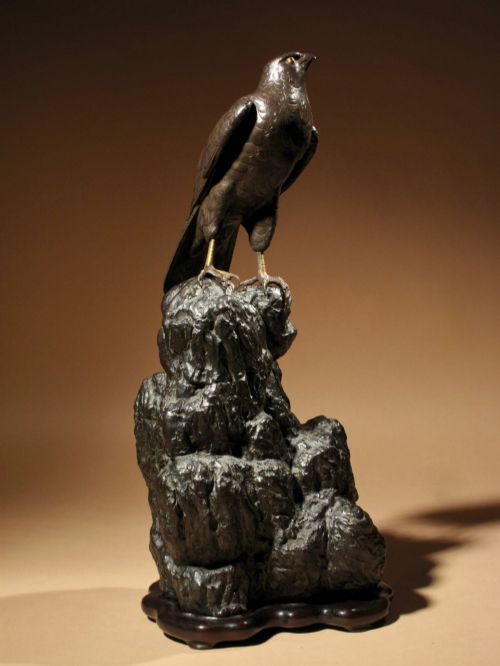
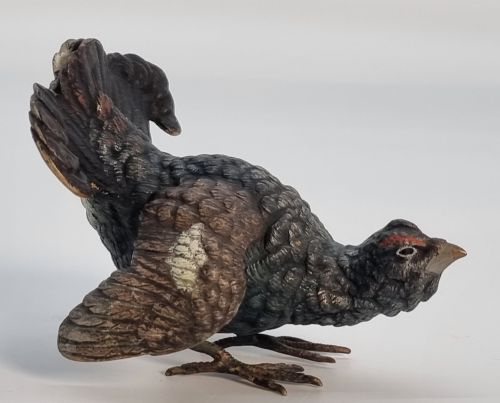
When you search for a brown bronze bird statue, you encounter sculptural works depicting hawks, eagles, grouse, and pheasants rendered in cast metal. These objects span periods from the mid-nineteenth century to the early twentieth century, incorporating styles such as Animalier, Art Nouveau, and Vienna Bronze. Many examples sit upon natural bases including quartz rock and root wood.
You are most likely to meet Austrian cold-painted bronze models by makers such as Franz Bergman alongside French Animalier studies and Japanese Meiji period bronzes. The forms range from small tabletop figures to large statues standing over three feet tall. Each piece captures the distinct posture and plumage of its avian subject through detailed metalwork.
Materials and technique
These sculptures are produced using traditional metal casting techniques, primarily utilising bronze shaped into intricate avian forms. Many pieces receive a patinated finish or applied polychrome paint, particularly the cold-painted Austrian works that layer pigment over hot or cold metal surfaces. Certain sculptures integrate natural supporting elements such as quartz rock and root wood bases.
Some birds demand attention from a rocky perch.
Variations in quality
The degree of anatomical precision and naturalistic detail in the feather work separates standard castings from exceptional sculptures. Finer pieces exhibit careful chiselling that defines individual plumage and lifelike posture in the avian subject.
The preservation of original cold-painted surfaces or rich patination significantly influences the character of a bronze. Superior works retain their original polychrome pigments and mounted elements, such as quartz or root wood bases, without later restoration altering the surface.
Franz Bergman·Antoine Louis Barye·Barbedienne·Franz Xaver Bergmann·P J Mêne·Maurice Bouval·Antoine Bofill·Auguste Moreau·Gyoko
The Brown Bronze Bird Statue Glossary
- Animalier
- A nineteenth-century artistic movement focusing on the realistic depiction of animals. Sculptors in this tradition studied anatomy closely to capture creatures in motion or repose.
- Cold-Painted Bronze
- A technique where paint is applied to a bronze object without firing at high temperatures. This method was widely utilised by Austrian workshops to create brightly coloured bird and animal figures.
- Patina
- A thin layer that naturally or artificially forms on the surface of bronze through oxidation or chemical treatment. This coloration protects the metal and adds depth to the sculptural details.
- Meiji Period
- A Japanese historical era lasting from eighteen sixty-eight to nineteen twelve. Bronzes from this period often display meticulous craftsmanship and organic integration with natural wood bases.
- Vienna Bronze
- Small-scale bronze sculptures produced in Austrian workshops during the late nineteenth and early twentieth centuries. These figures typically feature naturalistic animal subjects with detailed cold-painted finishes.
Brown Bronze Bird Statue: Frequently Asked Questions
What is a brown bronze bird statue?
A brown bronze bird statue is a cast metal sculpture depicting an avian subject, finished in patinated bronze or cold-painted colours. These pieces date primarily from the nineteenth and early twentieth centuries, created by European and Japanese makers.
Subjects include eagles, hawks, grouse, and pheasants, often mounted on natural bases like quartz or root wood. They reflect movements such as Animalier and Art Nouveau.
How were these bird bronzes used?
These sculptures functioned as decorative cabinet pieces and table ornaments in domestic interiors during the nineteenth and early twentieth centuries. Their detailed casting allowed them to serve as focal points in studies and reception rooms.
Larger examples, such as tall statues on root wood bases, were placed directly on the floor or on sturdy pedestals. They demonstrated the owner's appreciation for natural history and fine craftsmanship.
How do I care for a bronze bird?
Maintenance involves gentle dusting with a soft, dry cloth to prevent particulate buildup on the metal surface. Avoid liquid cleaners, chemical polishes, or abrasive cloths that can strip away original patination or delicate cold-painted pigments.
Keep the sculpture away from direct sunlight and high humidity to protect painted surfaces and natural bases like wood or quartz. Stable indoor environments preserve the integrity of the metal and any applied finishes.
How can I tell different periods apart?
Stylistic indicators and signatures help distinguish between periods, such as the naturalistic realism of nineteenth-century French Animalier bronzes versus the vibrant pigments of early twentieth-century Austrian cold-painted pieces. Japanese Meiji period works often feature distinct signature plaques and root wood integration.
Foundry marks and artist signatures cast into the base provide concrete clues to the date and origin of the sculpture. Comparing the casting crispness and surface finish further aids in identifying the era of production.