


Brown Stool
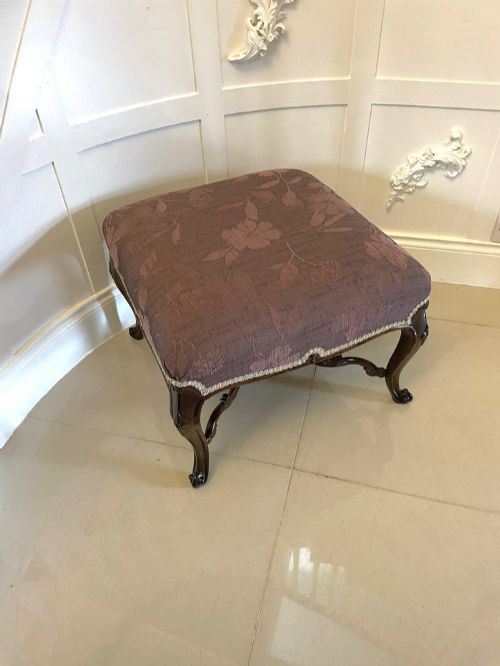
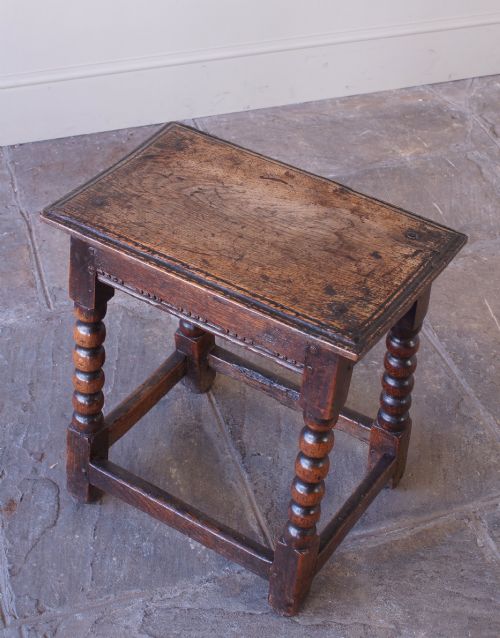
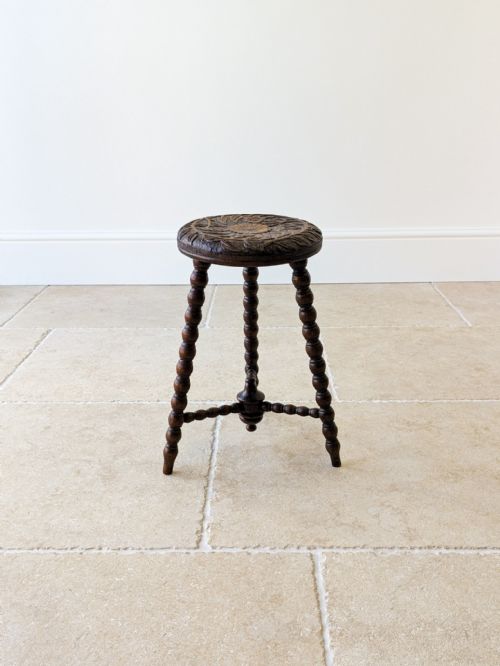
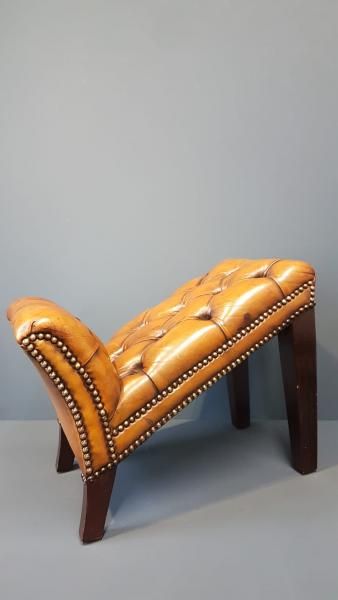
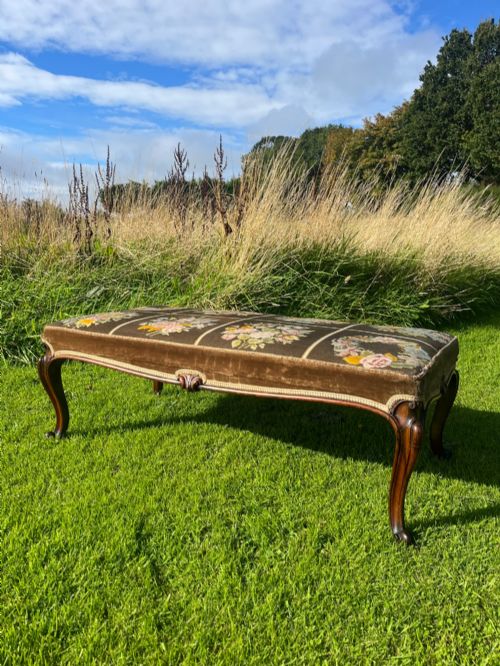
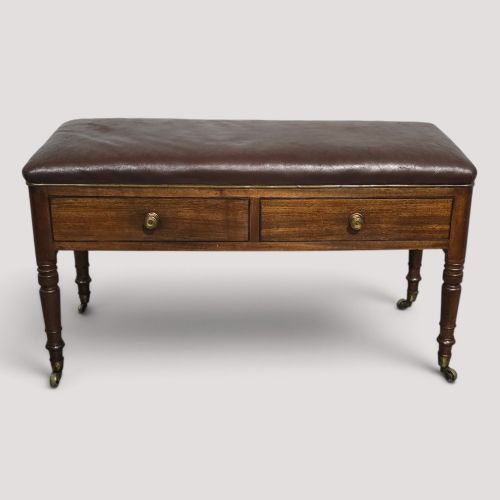
A brown antique stool brings warmth and utility to a room, ranging from early joined oak to Victorian mahogany and leather.
Brown Stool
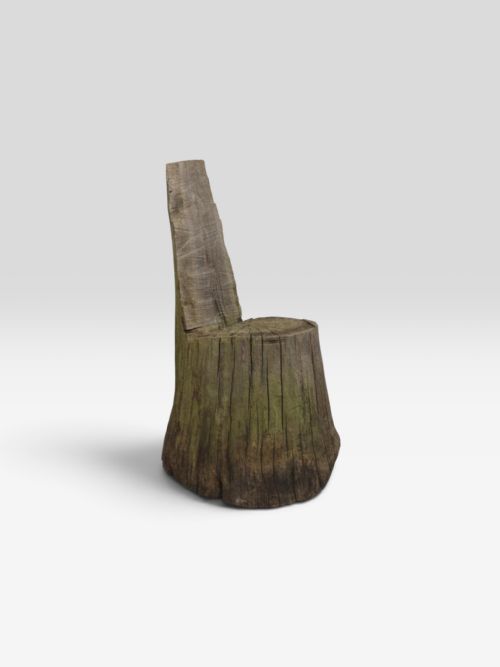
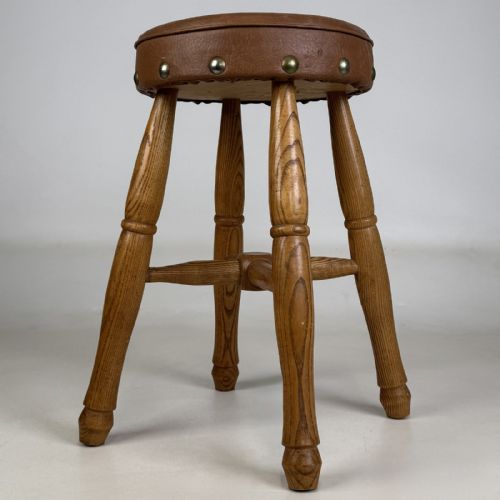
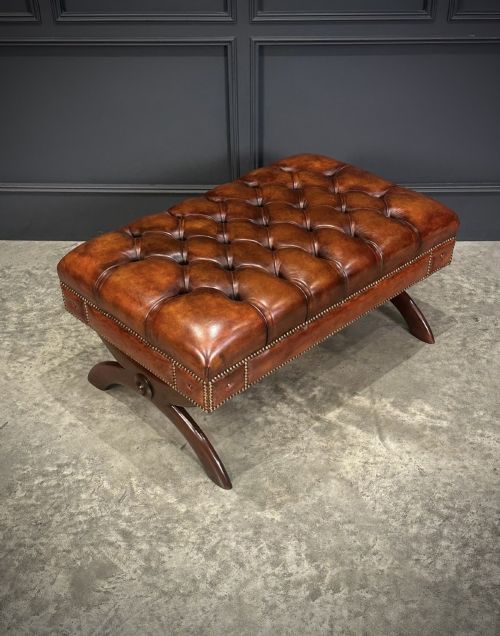
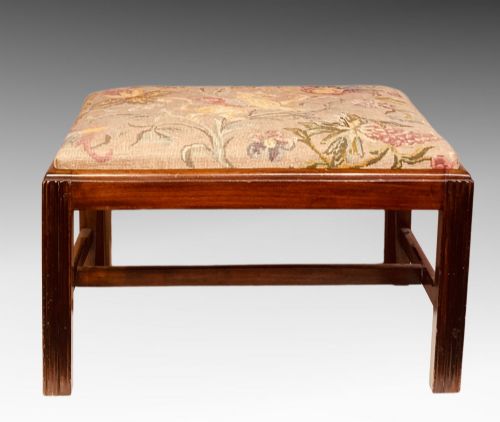
A brown antique stool encompasses a diverse range of low seating, benches, library steps, and piano stools spanning several centuries. The selections here draw heavily from the seventeenth, eighteenth, and nineteenth centuries, alongside early twentieth-century examples.
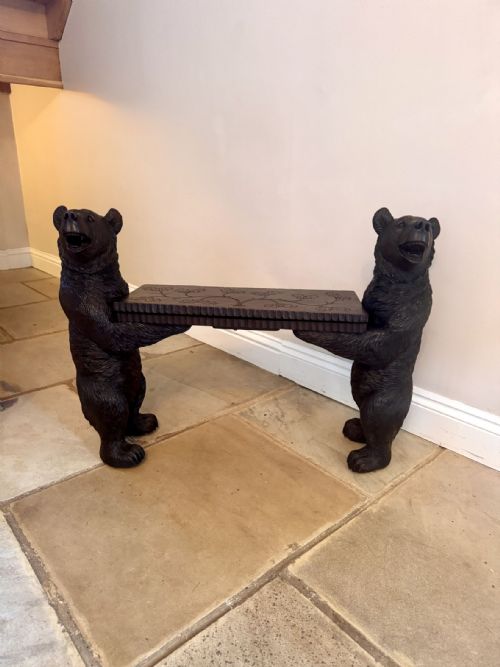
Buyers frequently encounter robust oak joint pieces from earlier periods alongside polished mahogany, walnut, and rosewood iterations from the Georgian and Victorian eras. Vernacular forms in sycamore and ash also appear alongside eccentric novelty items like leather elephant footstools and musical seats.
Materials and construction
Cabinet makers utilised dense hardwoods such as oak, mahogany, walnut, and rosewood, constructing frames with mortise and tenon joinery for structural longevity. Early pieces rely on pegged joints, while later examples incorporate turned legs, carved ornamentation, and cross stretchers.
Upholstered variants integrate supportive webbing or padding covered in leather, fabric, or tapestry. Brass framing and hardware occasionally appear on specialised pieces like harpists' seats and metamorphic library steps.
The material record spans traditional English hardwoods like oak, walnut, mahogany, and sycamore, alongside tactile additions of leather, brass, and tapestry.
Judging execution and integrity
Quality rests in the crispness of hand carving, the selection of figured timber veneers, and the rigidity of the original frame construction. Superior examples retain their structural honesty without excessive timber replacement or compromised joints.
The sophistication of the turning, the weight of the timber, and the harmony of proportions distinguish master-carved or workshop pieces from vernacular or utility items.
Arthur Simpson Of Kendal·Liberty
The Brown Stool Glossary
- Joint stool
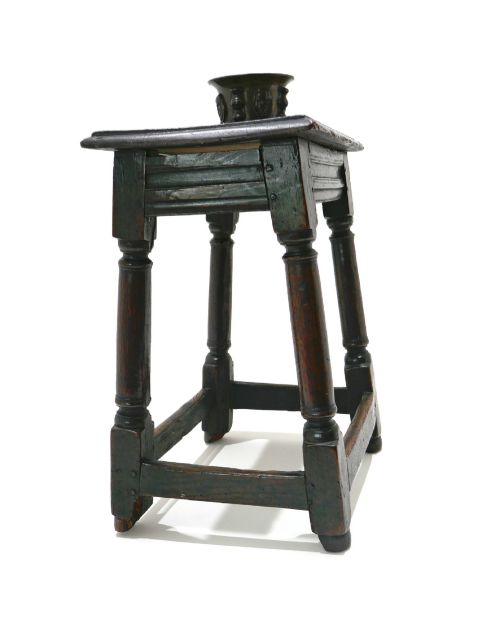
- A solid wooden stool constructed with mortise and tenon joints, commonly associated with the seventeenth century and earlier domestic interiors.
- Duet stool
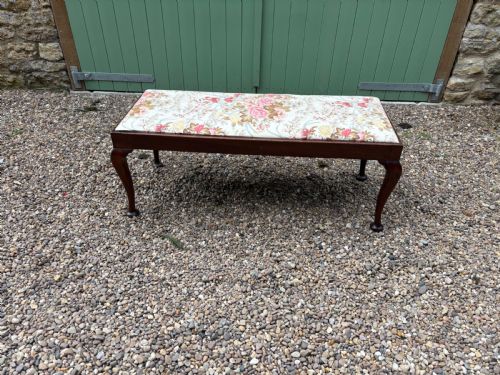
- An elongated seat designed for two people to sit together, frequently accompanying a piano or dressing table.
- Metamorphic
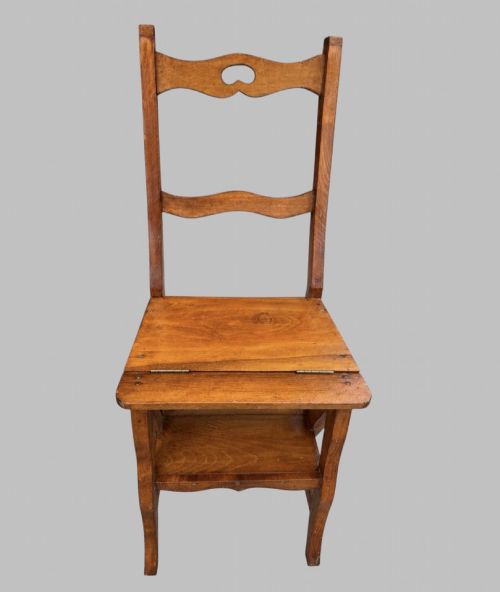
- A descriptive term for furniture that transforms into an alternative form, such as a stool or chair converting into library steps.
- Cross stretcher
- Wooden rails connecting the legs near the base to provide additional structural rigidity and support.
- Vernacular
- Everyday objects made by local craftsmen using regional timbers rather than following strict high-style metropolitan designs.
Brown Stool: Frequently Asked Questions
What is a joint stool?
A joint stool is an early wooden seat built with pegged mortise and tenon joinery. These sturdy pieces date back to the seventeenth century.
They served multiple domestic purposes in early households, functioning as seating, small side tables, or steady platforms.
How do I date an oak stool?
Dating relies on examining the construction methods, tool marks, and timber characteristics. Seventeenth-century examples display hand-split oak and pegged joints.
Later nineteenth and twentieth-century revivals often use machine-sawn timber and different fastening techniques, even when copying early styles.
Where should I place a piano stool?
Adjustable piano stools suit music rooms, studies, or dressing tables where seat height matters. Their revolving or mechanical mechanisms allow for practical adjustment.
Pair them with a suitable desk or mirror to highlight the figured walnut or mahogany timber grains.
Are library steps considered stools?
Metamorphic library steps often combine the function of a seat and a short ladder. These clever designs fold or pivot to provide access to high bookshelves.
They offer practical daily utility while acting as sculptural wooden objects in a study or library.