





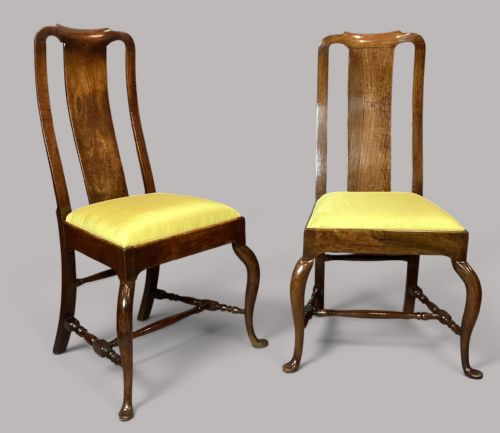


Brown and Yellow Chair
A brown and yellow chair brings warmth and colour to a room, offering practical seating shaped by centuries of cabinet making.
Brown and Yellow Chair
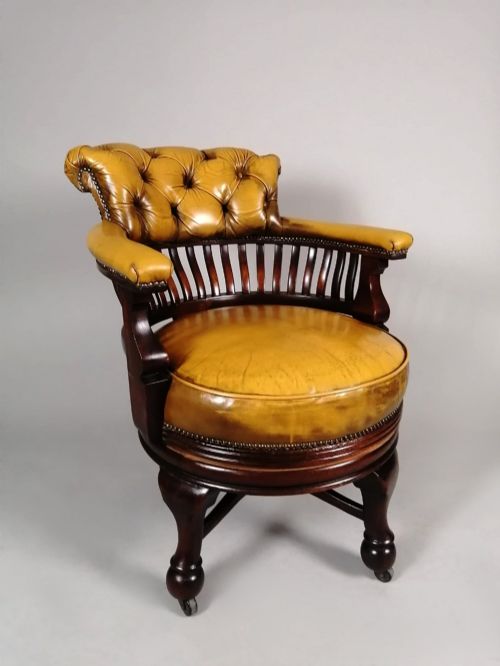
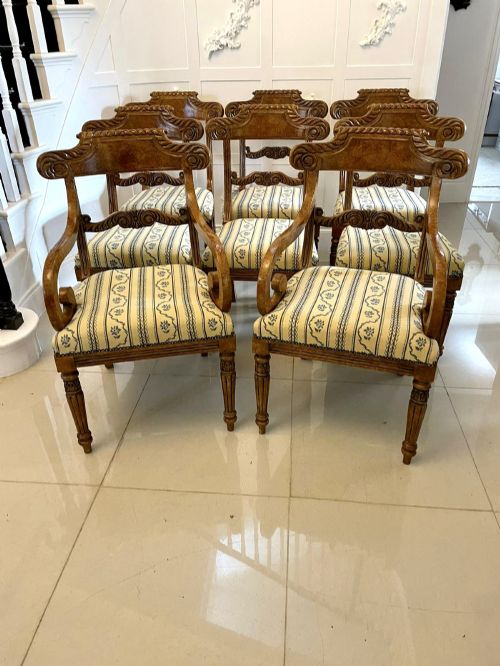
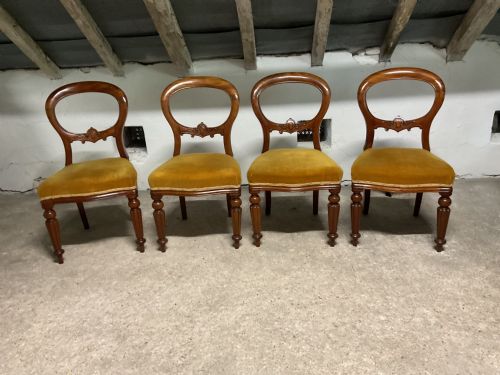
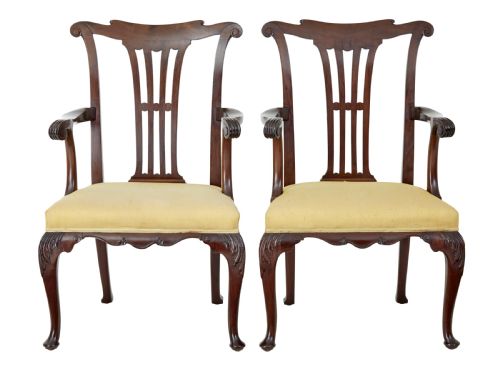
When searching for a brown and yellow chair, a buyer encounters a diverse group of seating furniture spanning the eighteenth and nineteenth centuries. These pieces encompass dining chairs, armchairs, desk chairs, and piano stools framed in woods like mahogany, walnut, and oak.
The brown element typically derives from the natural timber frames, whilst the yellow emerges through fabric upholstery, velvet, textile finishes, or simulated wood treatments. Regency, Victorian, and Georgian periods dominate the selection, offering everything from formal library seating to primitive country armchairs.
Materials and construction
Frames rely heavily on dense hardwoods such as mahogany and walnut, shaped through traditional joinery and turning techniques. Some pieces incorporate decorative details like faux bamboo, reeding, or barley twist carving.
Upholstery incorporates fabric, velvet, and leather fixed to the wooden structures. Simulated finishes like faux rosewood or faux birds eye maple provide alternative surface textures across the periods.
Brown and Yellow Chair Retail Price Guide 2026
Typical asking prices for brown and yellow chair among the pieces listed under this phrase on Sellingantiques today, from the lower quarter to the upper quarter. They describe what is for sale here now, not the wider market.
Periods represented range from early eighteenth-century Georgian designs through Regency elegance to late Victorian and 1920s variations.
Judging the standard
Quality rests in the crispness of the timber framing, the integrity of the joinery, and the harmony between the wooden structure and the textile elements. Pieces with refined proportions and deliberate detail stand apart from simpler utilitarian seating.
The treatment of the wood surface, whether through polished mahogany or simulated finishes, dictates the visual impact. Original period upholstery treatments or sympathetic re-covering preserve the character intended by the maker.
The Brown and Yellow Chair Glossary
- Carver chair
- An armchair, typically designed for the head of a dining table or for use at a desk. These feature supportive side arms integrated into the wooden frame.
- Balloon back
- A rounded, curved backrest shaped like a balloon, popular during the Victorian era. This form provides ergonomic comfort whilst displaying timber grain.
- Bergere
- An enclosed upholstered armchair with wooden framing exposed around the sides and back. It often incorporates woven cane or padded textile panels.
- Comb back
- A traditional Windsor chair variant where the vertical spindles extend through a headpiece resembling a comb. This construction method offers robust rustic support.
- Reeded
- A decorative moulding consisting of parallel convex strips resembling inverted fluting. Cabinet makers applied this technique to legs and uprights for textural contrast.
Brown and Yellow Chair: Frequently Asked Questions
Where were these chairs used?
These chairs served multiple domestic functions, from formal dining rooms and libraries to private bedrooms and parlours. Different forms suited specific activities, such as writing at a desk or playing the piano.
Heavier armchairs anchored reception spaces, whilst sets of dining chairs populated the main table for gatherings. Smaller side chairs moved easily around the room as required.
How do I date a wooden frame?
Dating relies on observing structural characteristics, timber choices, and stylistic traits associated with specific periods like the Regency or Georgian eras. Cabinet making techniques evolved from heavier country construction to refined urban styles.
Tool marks, joint types, and the ageing of the wood provide physical clues to the decade of origin. Comparing the proportions against documented period examples helps confirm the timeline.
Can I use these for daily seating?
Most of these pieces are structurally robust enough for regular use, provided the frame and joints remain secure. Periodic checks of the timber and upholstery ensure they withstand everyday demands.
Placing them away from direct heat sources protects the antique wood and textiles from drying out. Professional conservation keeps the internal webbing and padding supportive.
What defines a George style?
George styles span the reigns of the early eighteenth century, characterised by graceful cabriole legs, polished walnut or mahogany, and restrained carving. These designs reflect a shift towards comfort and proportion in British furniture.
Side chairs from this era demonstrate meticulous attention to wood selection and joinery. Their restrained ornamentation relies on the natural beauty of the timber.