






Brown and Cream Pottery
Brown and cream pottery brings together robust utilitarian forms and rich layered glazes that anchor a traditional interior.
Brown and Cream Pottery
Brown and cream pottery encompasses a diverse selection of utilitarian and decorative objects spanning multiple centuries. Buyers encounter functional kitchenware alongside ornamental figures and vessels.
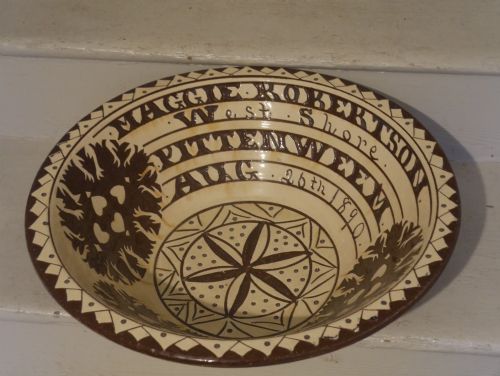
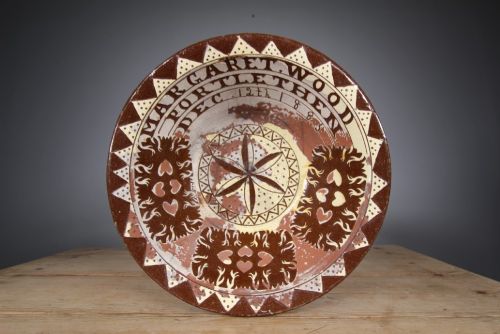
The domestic vessels form a substantial group, featuring dairy bowls, jugs, and storage jars designed for everyday use. Many of these pieces originate from British regional potteries and Victorian Staffordshire kilns.
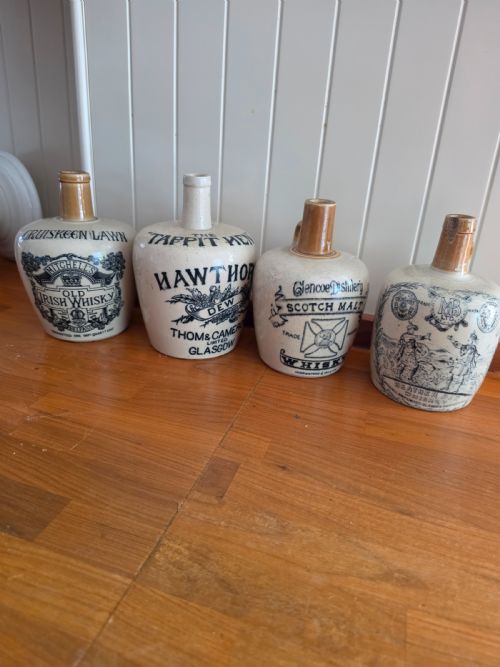
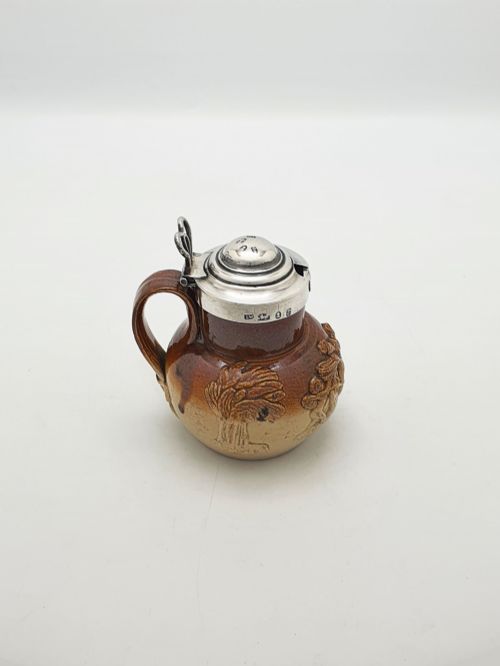
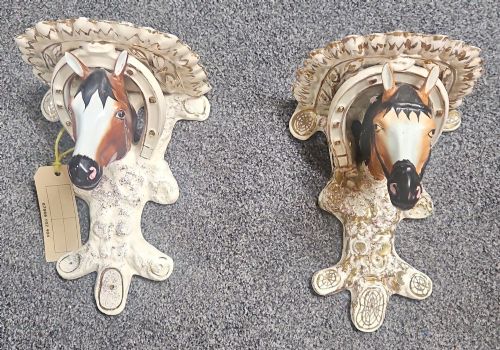
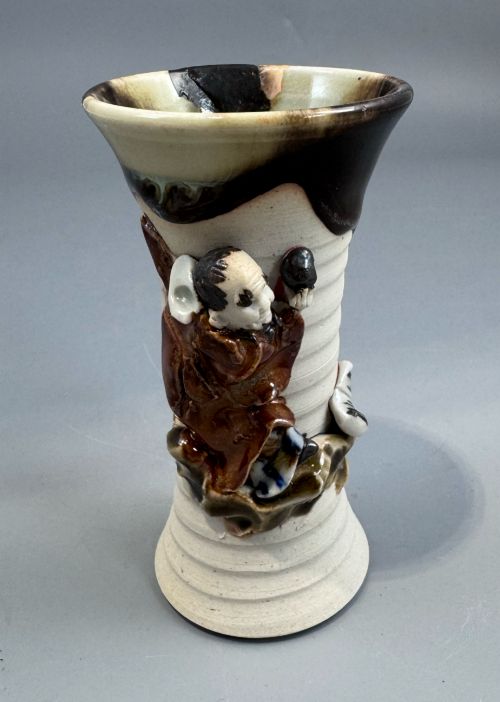
Alongside the kitchen wares, the selection extends to commemorative items, advertising flasks, and international ceramics. Pieces range from Georgian mustard pots to Japanese Meiji period vases and Persian bowls.
How they were made
Makers utilised stoneware and earthenware bodies, shaping them on the wheel or pressing them into moulds. These dense clay bases provided the necessary strength for heavy-duty household and tavern service.
Surfaces were finished with slip glazes, lead glazes, and salt glazes to achieve the characteristic two-tone palette. Natural mineral oxides reacted in the kiln to produce deep browns against lighter cream backgrounds.
Brown and Cream Pottery Retail Price Guide 2026
Typical asking prices for brown and cream pottery among the pieces listed under this phrase on Sellingantiques today, from the lower quarter to the upper quarter. They describe what is for sale here now, not the wider market.
The listings span earthenware, stoneware, and terracotta forms, featuring glazes from simple slip to lead finishes across the nineteenth century and earlier.
What varies in quality
Quality rests upon the crispness of the modelling and the stability of the glaze application. Superior examples display controlled brushwork, even coloration, and clean removal from the kiln.
The execution of applied details, such as handles, sprigged reliefs, and hand-painted motifs, distinguishes standard utility pieces from exceptional studio and factory output.
Seaton Pottery·Doulton Lambeth·Sarreguemines
The Brown and Cream Pottery Glossary
- Slipware
- Pottery decorated with a liquid clay suspension applied before firing. This technique creates contrasting patterns and linear designs upon the vessel body.
- Stoneware
- A robust ceramic fired at high temperatures until vitrified. The resulting body is impermeable to liquids and does not require a glaze to remain watertight.
- Salt glaze
- A finish created by throwing common salt into the kiln during high-temperature firing. This process produces a characteristic textured orange-peel surface on stoneware.
- Earthenware
- Porous pottery fired at lower temperatures than stoneware. It is typically coated with a glaze to ensure it holds liquids effectively.
Brown and Cream Pottery: Frequently Asked Questions
What is brown and cream pottery?
Brown and cream pottery refers to ceramic items finished in contrasting earthy tones, spanning utilitarian vessels, figures, and tableware.
These pieces showcase traditional glazing techniques used across British and international potteries over several centuries.
How were dairy bowls used?
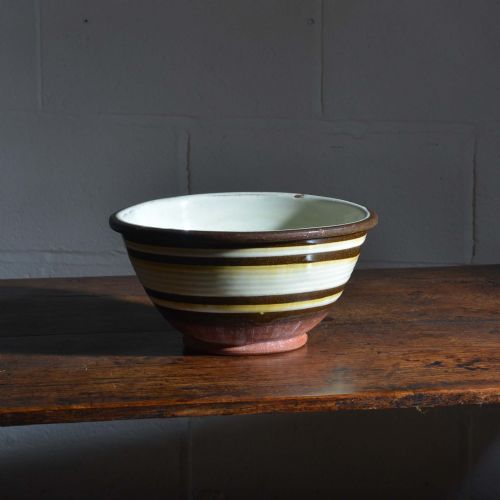
Dairy bowls were wide, shallow vessels designed to hold milk during the cream-separating process.
The cream would rise to the top of the bowl, allowing dairy workers to skim it off easily for butter and cheese making.
How do I care for antique pottery?
Antique pottery requires gentle handling and should be washed by hand in lukewarm water without harsh detergents.
Avoid exposing older earthenware and glazed pieces to sudden temperature changes to prevent hairline fractures in the ceramic body.
How do I distinguish stoneware from earthenware?
Stoneware is fired at higher temperatures, resulting in a dense, non-porous body that rings when struck.
Earthenware remains more porous and typically requires a complete glaze coating to seal the clay completely.