





Bronzed Metal Bookends
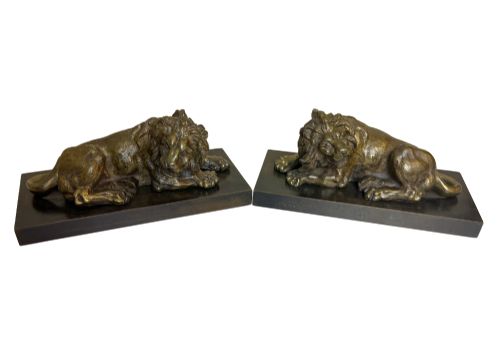
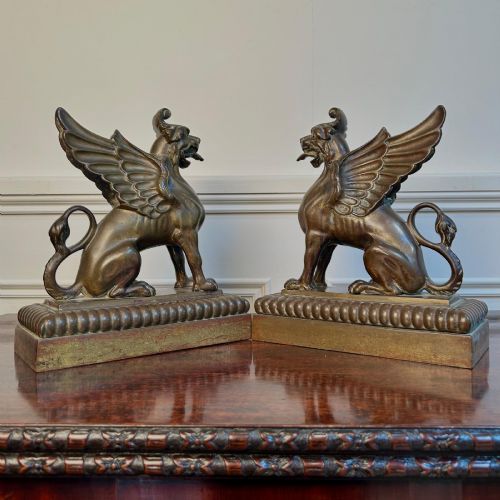
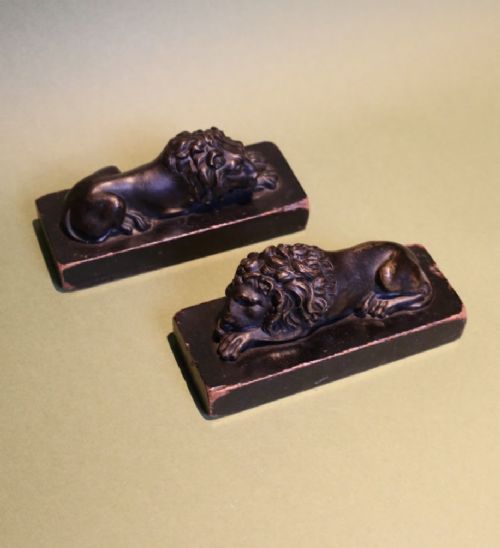
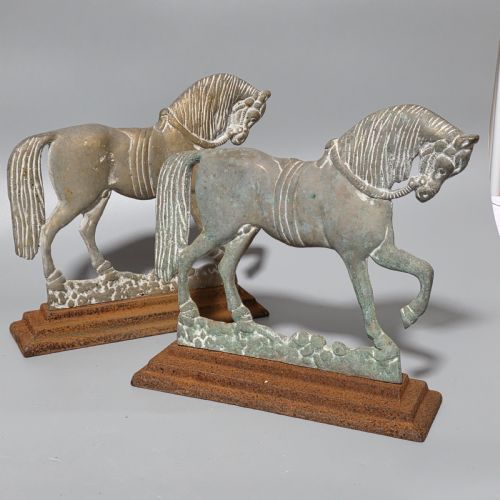
These bronzed metal bookends are heavy cast sculptural pairs from the nineteenth and twentieth centuries designed to hold volumes upright.
Bronzed Metal Bookends
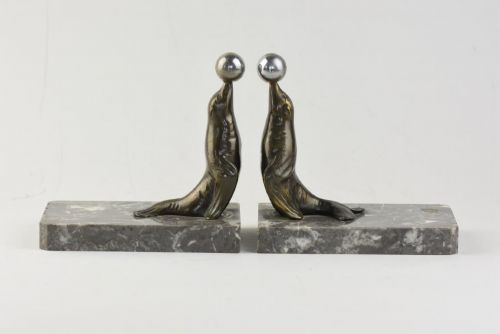
When you search for bronzed metal bookends, you encounter sculptural heavy pairs designed to support rows of books on shelves and desks. The examples appearing here span the Victorian era, the Edwardian period, and the Art Deco decades, showing how domestic function met decorative arts.
You are most likely to meet animal figures cast in metal and mounted on stone bases. Lions, owls, squirrels, elephants, and dogs appear frequently alongside architectural and figural subjects derived from earlier historic styles.
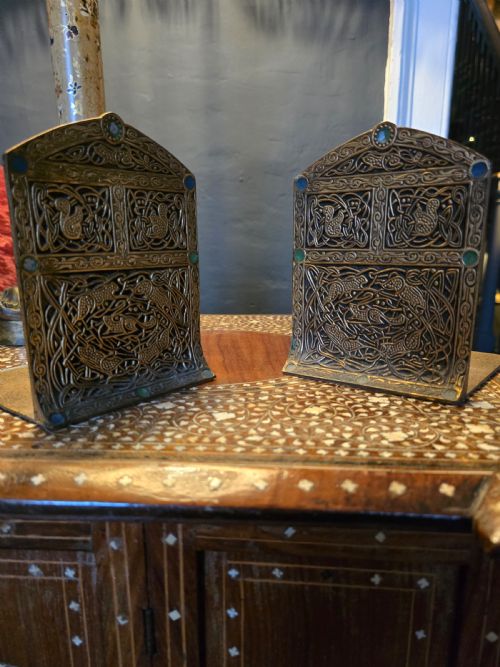
The materials range from genuine bronze and gilt bronze to spelter, cast iron, and patinated metal often paired with marble, alabaster, or wood. These pieces reflect diverse aesthetics including Egyptian Revival, Neoclassical, and Arts and Crafts movements.
How they were made
Maker workshops utilised metal casting techniques to produce figures in bronze, spelter, and cast iron. Molten metal poured into moulds captured fine details of fur, feathers, and facial expressions before cooling into solid forms.
Many of these metal figures received patination treatments, cold painted finishes, or gilding to simulate solid bronze or aged metal surfaces. Artisans then mounted the finished sculptures onto heavy bases of marble, alabaster, or wood to provide the necessary weight for holding books.
Materials appearing across these items include marble, bronze, spelter, gilt bronze, patinated metal, wood, and chrome.
What varies in quality
The choice and preparation of the supporting base also distinguish the work. Dense polished marble or carved wood fitted securely to the metal sculpture indicates greater care than loose or lightweight mountings.
Tiffany Studios New York·C Omin·Herzig
The Bronzed Metal Bookends Glossary
- Spelter
- A zinc alloy commonly used as a less costly alternative to bronze for sculptural castings in the nineteenth and twentieth centuries. It accepts patination well to resemble heavier metals.
- Patination
- The surface coloration or sheen developed naturally over time or applied chemically by artisans. It enhances the visual texture of metal objects.
- Cold painted
- A method where enamel paint is applied to metal sculptures without heat firing. This technique adds colour to figures such as birds and dogs.
- Alabaster
- A fine-grained translucent stone used for carving decorative bases and architectural ornaments. It provides a pale, smooth contrast to dark metal castings.
- Grand Tour
- A cultural phenomenon of educational travel undertaken by wealthy Europeans and Americans, inspiring decorative objects modelled on classical antiquities.
Bronzed Metal Bookends: Frequently Asked Questions
How do I clean bronzed metal bookends?
Dust gently with a soft dry cloth to remove surface particles without disturbing the patinated or painted finish.
Avoid using water, chemical solvents, or abrasive polishes that can strip away the historical surface treatments of the metal.
Are these bookends heavy enough for large books?
Most pairs incorporate dense metal figures and heavy stone bases of marble or alabaster designed to provide substantial weight.
They function effectively in keeping standard rows of volumes upright on open shelves and desks.
How can I tell Art Deco bookends apart from Victorian ones?
Art Deco examples from the nineteen thirties favour stylised geometric forms, streamlined animal subjects, and materials like alabaster and chrome.
Victorian and Edwardian pieces lean towards naturalistic animal studies, classical revival motifs, and traditional patinated bronze or cast iron.
What is the difference between bronze and spelter?
Bronze is a durable copper and tin alloy that carries a fine cast and develops a rich patina over long periods.
Spelter is a softer zinc-based alternative that was more affordable to produce during the nineteenth and twentieth centuries.