



Bronzed Iron Stand
These bronzed iron stand pieces bring heavy metal integrity and rich patination to a hallway or interior, offering genuine period utility.
Bronzed Iron Stand
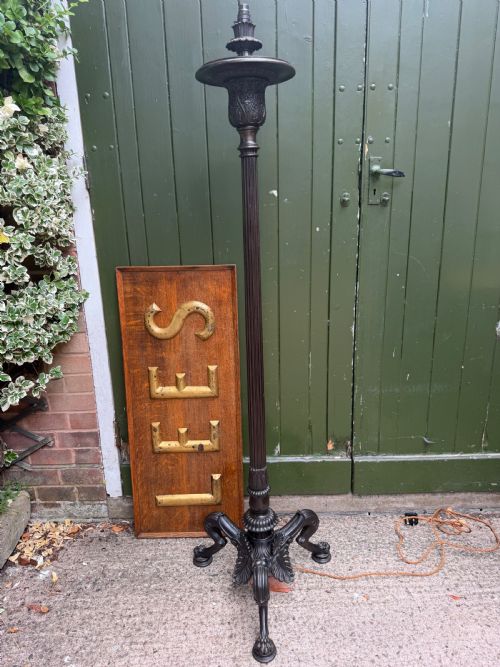
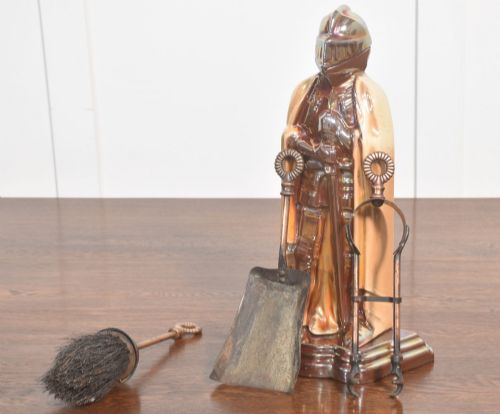
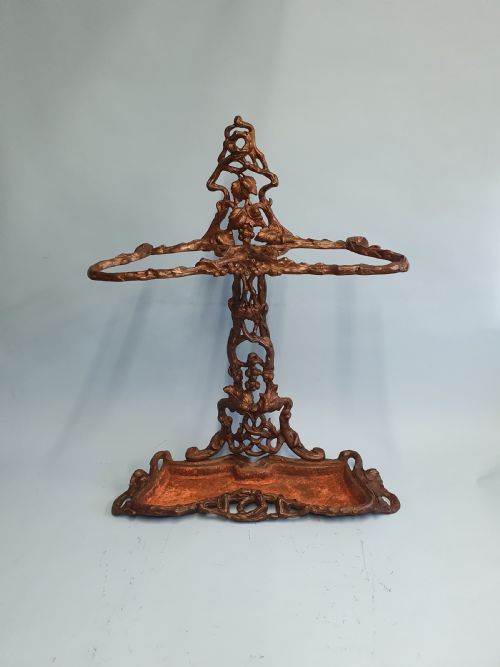
When searching for a bronzed iron stand, buyers encounter robust nineteenth and early twentieth century items designed for practical household tasks. These objects range from heavy umbrella and stick holders to monumental standard lamps and hallstands.
The versions most frequently met on this page date from the Victorian era through to the early twentieth century, utilising cast and wrought metals finished with dark patination. They serve both utilitarian purposes in hallways and decorative functions in reception rooms.
How they were made
Foundries produced these objects primarily through sand casting in iron, allowing makers to achieve intricate relief details and structural weight. Molten metal poured into moulds captured architectural and naturalistic motifs before workers applied surface finishes.
Finishing involved applying bronze patina or painted coatings over the base metal to simulate solid bronze or aged copper surfaces. Wrought iron variants relied on traditional blacksmithing techniques of heating and hammering metal bars into supportive frames.
Bronzed Iron Stand Retail Price Guide 2026
Typical asking prices for bronzed iron stand among the pieces listed under this phrase on Sellingantiques today, from the lower quarter to the upper quarter. They describe what is for sale here now, not the wider market.
Materials recorded across these objects include cast iron, wrought iron, bronze patina, and copper finish.
What varies in quality
Quality rests upon the crispness of the casting detail and the integrity of the original surface patination. Finer examples retain their deep bronze or dark finishes without excessive flaking, displaying sharp moulding along decorative borders and figural elements.
The weight and stability of the piece dictate its functional standing, as heavier cast bases provide better balance for tall objects like standard lamps or stick stands. Structural soundness in joined wrought components similarly separates standard utility work from finer artistic production.
A. Kenrick & Sons·Falkirk Foundry·Coalbrookdale
The Bronzed Iron Stand Glossary
- Cast iron
- Iron melted and poured into a mould to shape complex forms. This method allowed Victorian foundries to mass-produce highly decorated household items.
- Bronze patina
- A chemical treatment or coating applied to base metals to mimic the aged appearance of bronze. It gives iron surfaces a warm, dark metallic sheen.
- Wrought iron
- Iron beaten and bent by hand into shape while hot. This technique produces fibrous, strong frames rather than brittle moulded structures.
- Torchiere
- A tall floor lamp directing light upwards. These fixtures often feature decorative metal shafts supported on heavy bases.
Bronzed Iron Stand: Frequently Asked Questions
How do I clean a bronzed iron stand?
Dust the surface regularly with a soft, dry cloth to prevent dirt accumulation within recessed cast details.
Avoid using harsh chemical polishes or abrasive pads, which can strip the delicate bronze patina from the iron base.
Are these stands heavy enough for daily use?
Most pieces possess substantial weight due to their cast metal construction, making them remarkably stable for holding walking sticks, umbrellas, or lighting.
Their heavy bases prevent tipping during everyday domestic movement in busy hallways.
How do I identify a Victorian iron piece?
Look for foundry marks, registration numbers, or distinct architectural styling characteristic of nineteenth-century manufacturing.
Heavier casting methods and classical revival motifs also point directly towards the Victorian period.
Where should I place a standard lamp stand?
Position the piece in corners or beside heavy furniture where its vertical presence balances the room's proportions.
Ensure it sits near a power source if wired, or use it purely as a decorative sculptural element.