


Bronzed Brass Sconces
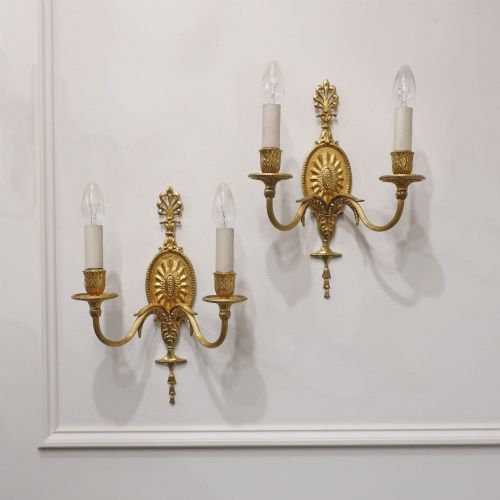
These bronzed brass sconces bring warmth and formal illumination to walls through cast metal forms shaped in centuries past.
Bronzed Brass Sconces
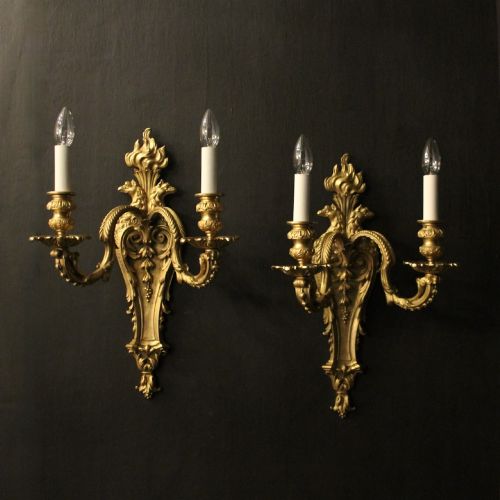
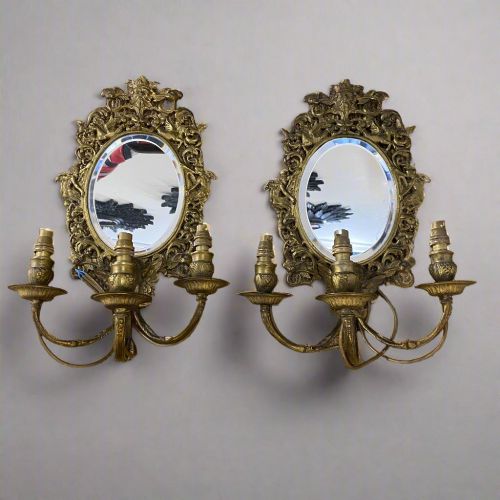
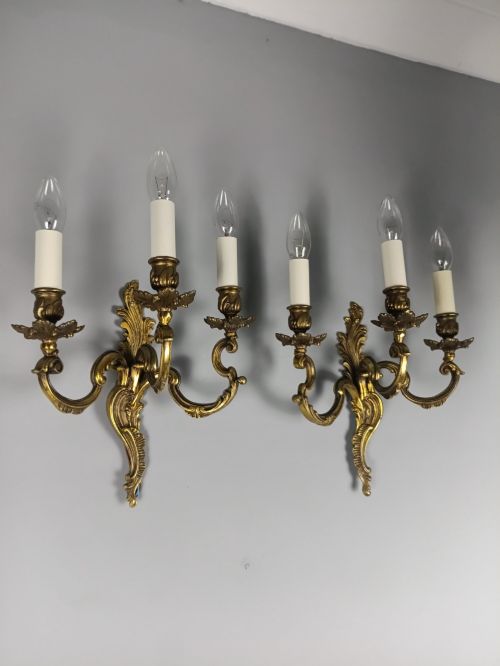
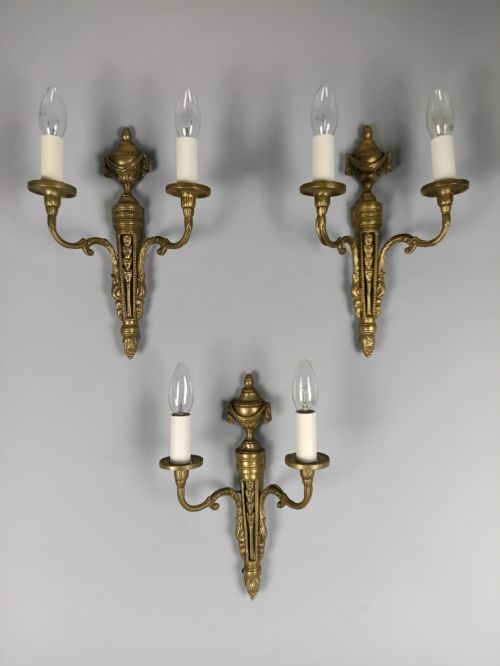
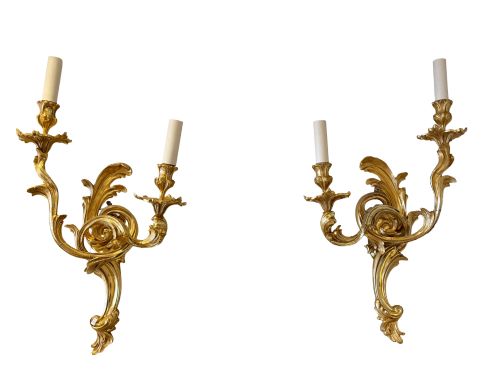
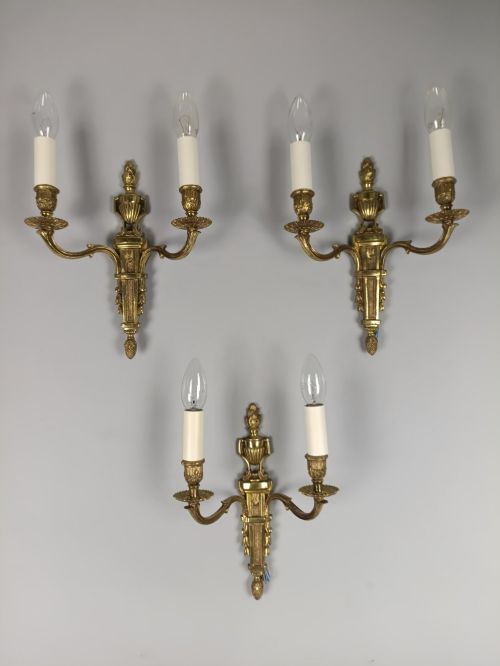
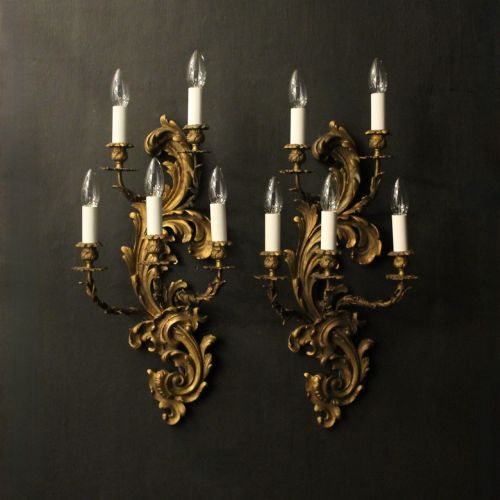
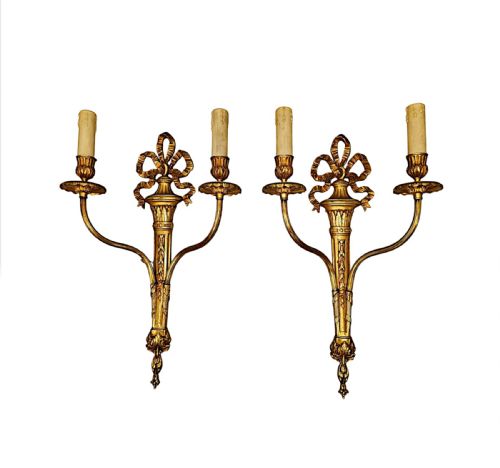
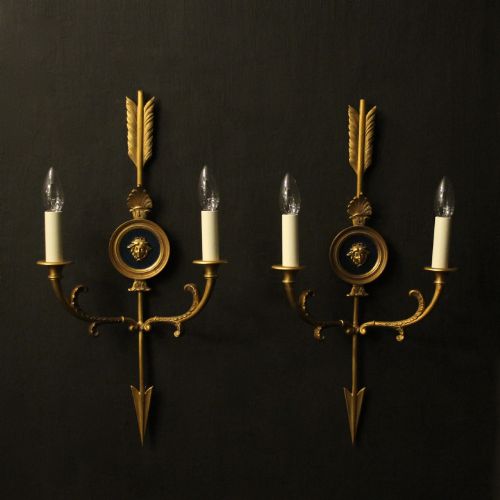
Bronzed brass sconces encompass wall-mounted light fixtures and candelabra formed from copper alloys finished in dark bronze tones or golden gilding. Buyers seeking these pieces will encounter twin-arm, triple-arm, and five-arm French wall lights alongside English bronze examples dating from the nineteenth and early twentieth centuries.
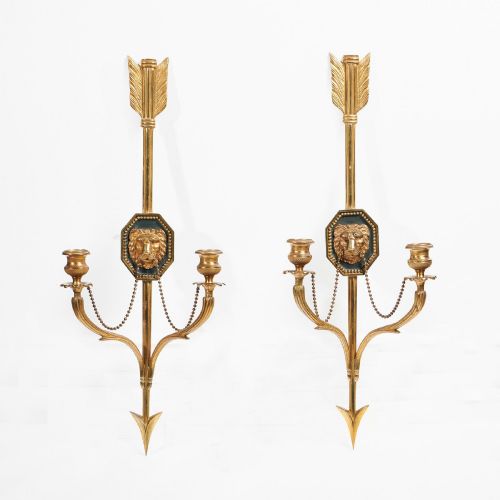
The selections span periods from the Victorian era up to the nineteen-thirties, incorporating styles such as French Rococo, Neo-Classical, and Empire designs. Many items present as matched pairs or sets of four, originally designed to flank mirrors, paintings, or architectural mantlepieces.
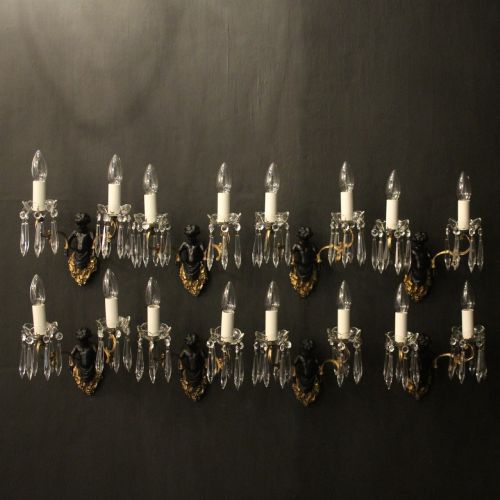
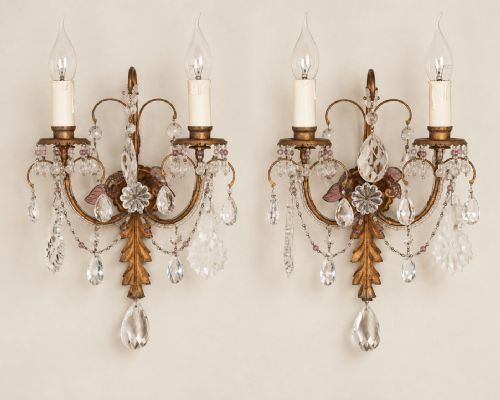
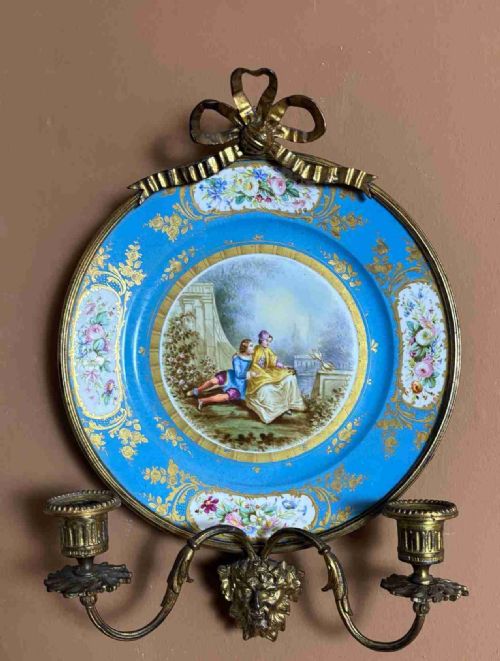
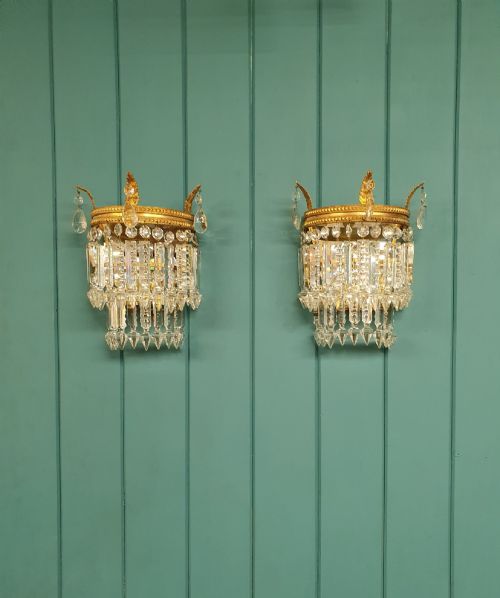
Forms range from simple single-arm brackets to elaborate half-lanterns and sculptural ribbon motifs adorned with cut glass crystal pendants. The predominant origin is French, produced during the late nineteenth and early twentieth centuries.
Materials and construction
Makers utilised cast bronze, brass, and ormolu, often applying layers of gold leaf or mercury gilding over the base metal to achieve a rich surface finish. Component parts were cast in sections before being chased by hand to sharpen foliage, scrolls, and sculptural details.
Certain examples integrate contrasting media such as cut glass crystal drops, onyx, or champlevé enamel to enrich the reflective qualities of the wall lights. Wiring and electrical conversions typically represent later interventions applied to structures originally cast for candles or oil.
Bronzed Brass Sconces Retail Price Guide 2026
Typical asking prices for bronzed brass sconces among the pieces listed under this phrase on Sellingantiques today, from the lower quarter to the upper quarter. They describe what is for sale here now, not the wider market.
Materials span gilt bronze, brass, ormolu, and crystal across nineteenth-century and early twentieth-century pieces.
Evaluating craftsmanship
The distinction between standard production and superior execution lies in the crispness of the chasing and the weight of the cast metal components. Finer pieces retain deep relief in floral and rocaille motifs without the softening typically seen in secondary recasts.
Surface treatments also dictate worth, where intact original gilding or deep bronzing patination displays gradual ageing rather than flat modern chemical finishes. Heavier gauge metalwork ensures structural rigidity across multi-branch frames carrying crystal drops or glass shades.
Casier
The Bronzed Brass Sconces Glossary
- Ormolu
- Gilded bronze produced by applying a gold and mercury amalgam to a base of cast bronze. This technique creates a durable golden finish characteristic of French decorative arts.
- Girandole
- A branched wall light or ornamental candlestick featuring mirrors or crystal pendants to reflect and amplify candlelight. They typically hold multiple candles or bulbs.
- Champlevé
- An enamelling technique where troughs or cells are hollowed into the surface of a metal object and filled with vitreous enamel paste before firing.
- Campana
- A vase-shaped component resembling an inverted bell, frequently forming the socket or drip pan of a sconce or candlestick.
- Applique
- A French term for a wall-mounted light fitting or sconce applied directly to wall panelling or plaster.
Bronzed Brass Sconces: Frequently Asked Questions
How were sconces used?
These wall lights were positioned in pairs or sets along reception room walls to supplement natural daylight and candle illumination. Their reflective backplates directed light outwards into the room.
Over time, many of these antique fixtures underwent conversion to electricity while retaining their original decorative metal armatures.
How do I date a sconce?
Dating relies on stylistic clues, such as the asymmetrical scrollwork of Rococo revival pieces versus the strict symmetry of Neoclassical designs. Material composition and casting techniques also point to specific nineteenth or early twentieth-century manufacturing periods.
Examining screw threads, backplate construction, and assembly methods helps confirm the age of the metalwork.
Are these wired for electricity?
Many surviving examples have been adapted for modern electrical use through professional rewiring of the internal channels. Buyers should inspect the current wiring configuration to ensure compatibility with domestic standards.
Some pieces retain original candle drip pans or conversion fittings from earlier lighting transitions.
Can I hang them on plaster walls?
Proper installation requires secure fixing points into wall studs or solid masonry due to the substantial weight of cast bronze and brass. Multi-arm configurations and crystal-adorned fixtures exert significant leverage on mounting brackets.
Consulting a qualified electrician ensures safe mechanical attachment and electrical connection.