

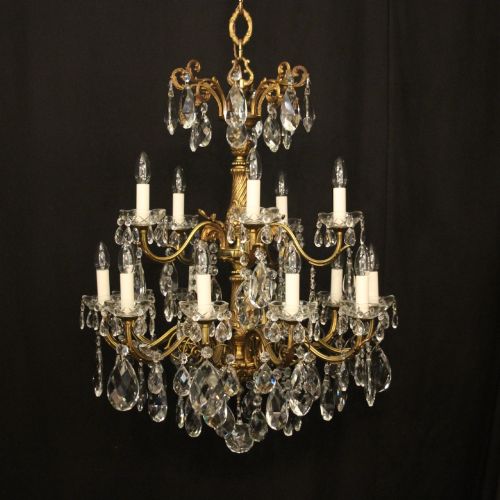
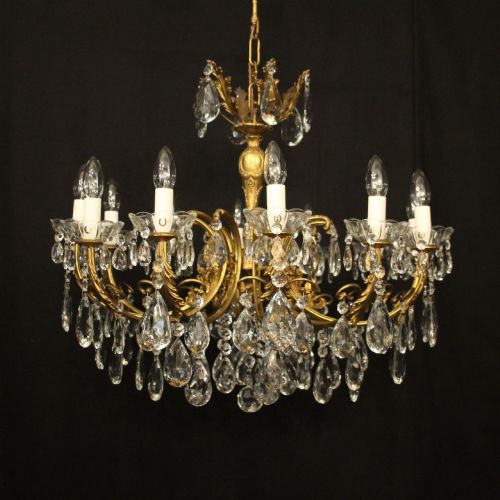
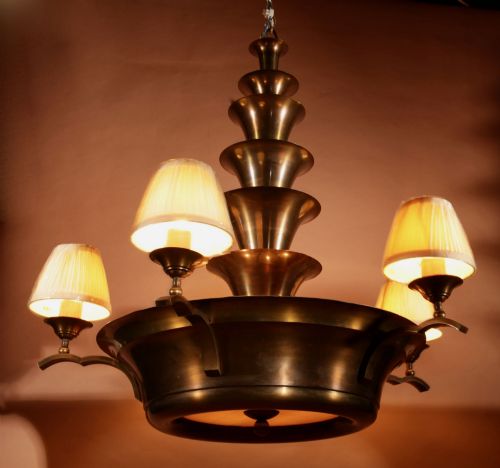
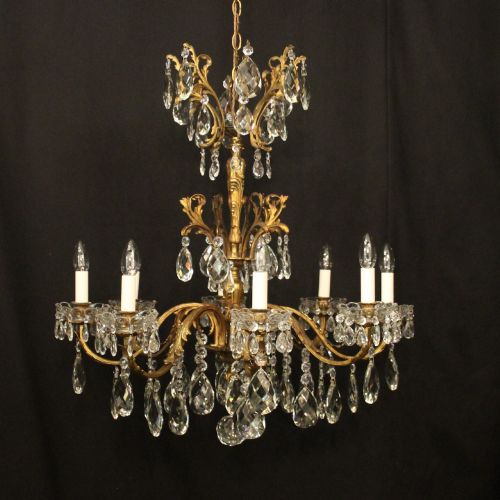
Bronzed Brass Pendant
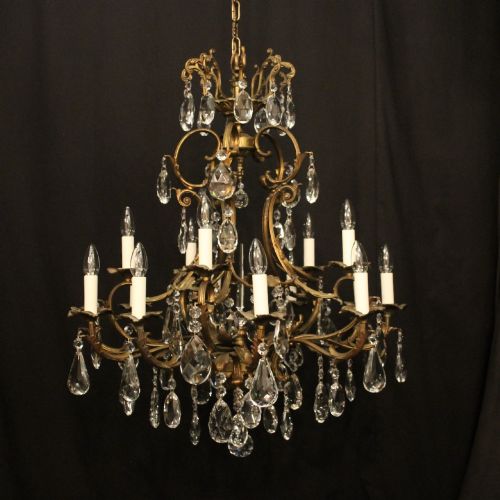
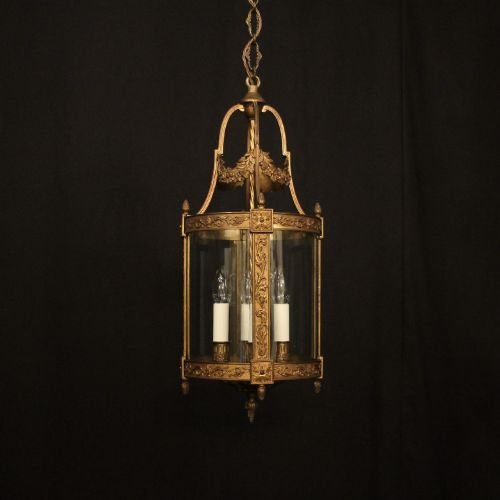
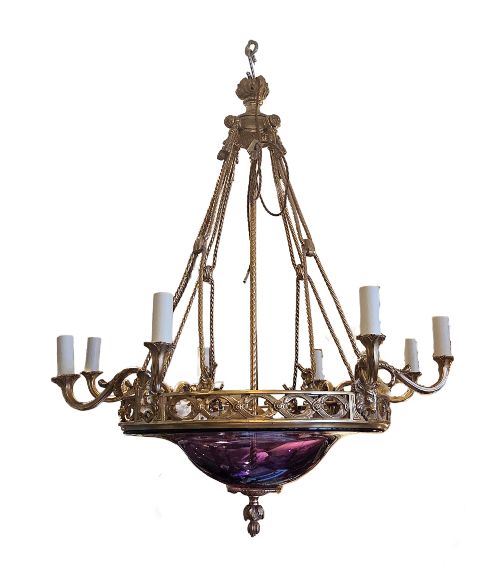
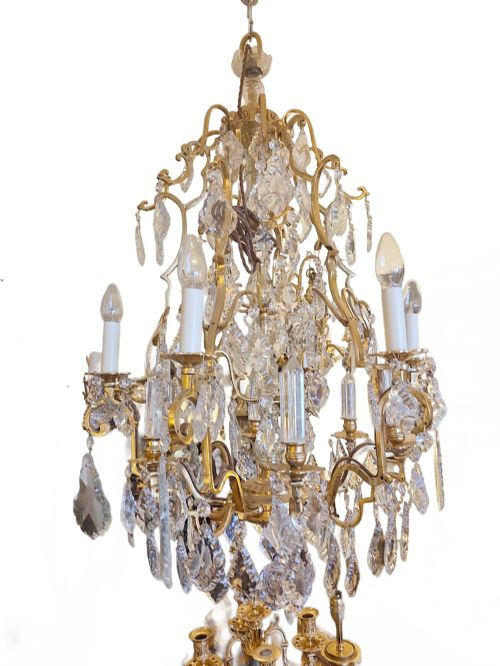
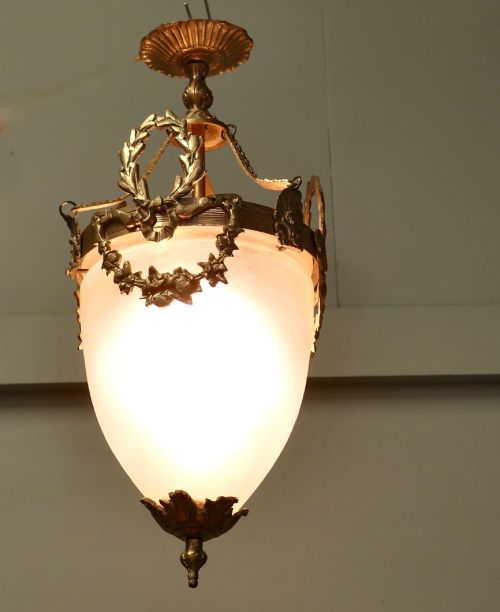
A bronzed brass pendant offers focused downward illumination through metalwork finished with a warm metallic coating, bringing period character to a hallway or reception room.
Bronzed Brass Pendant
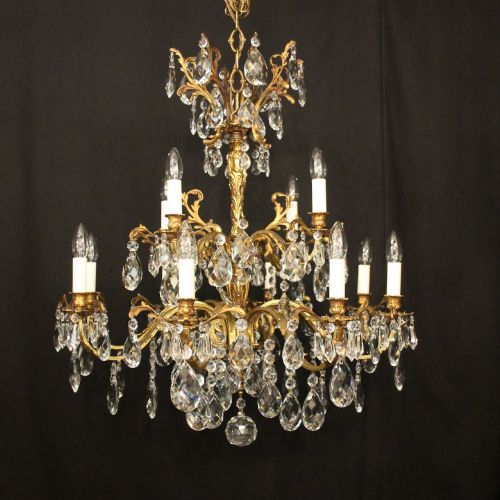
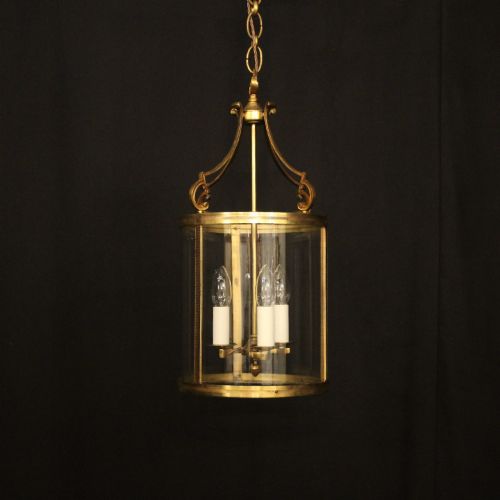
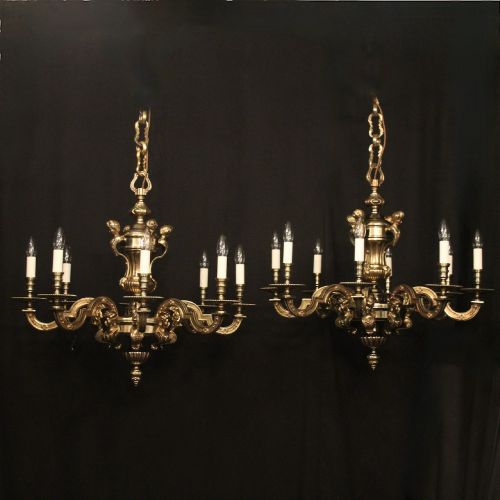
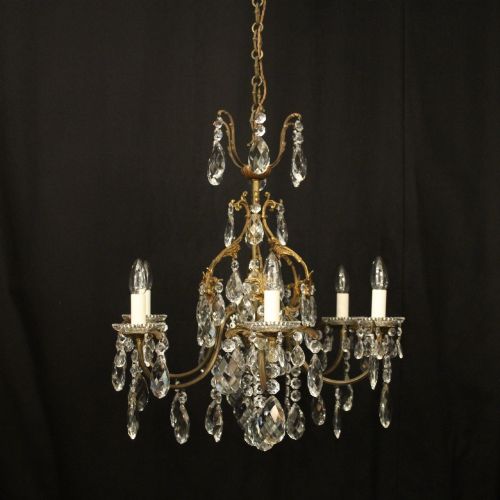
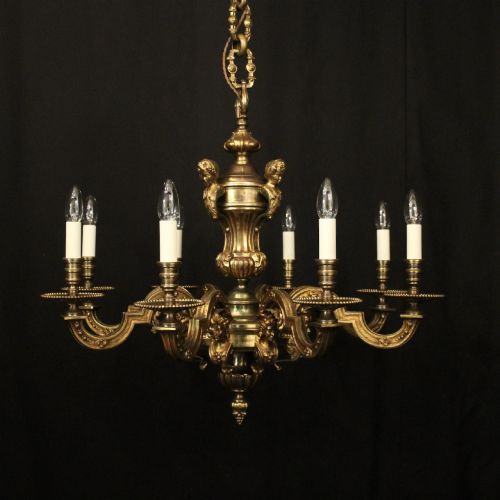
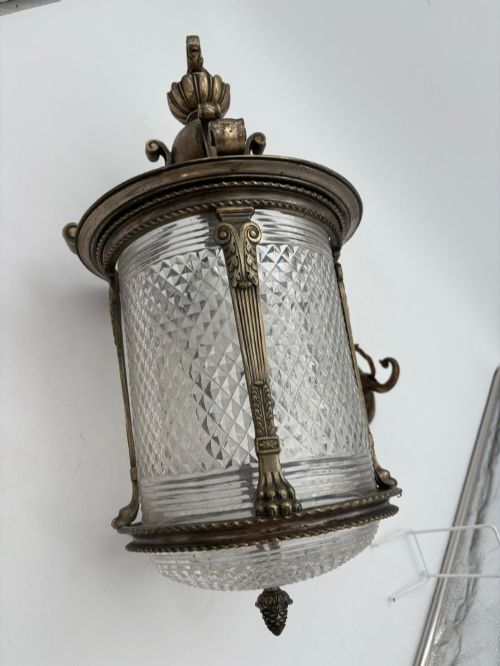
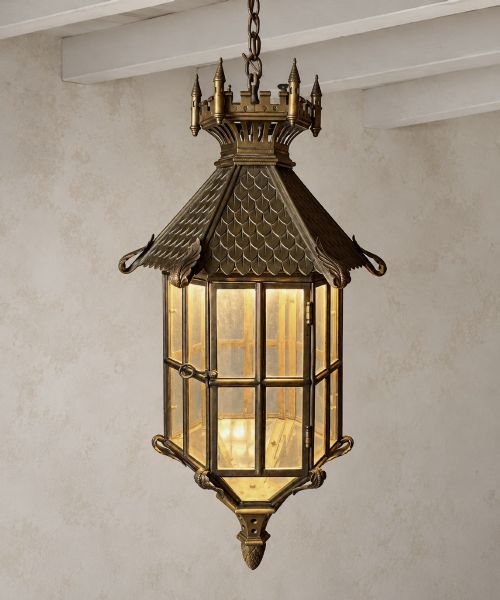
The objects take various forms including hall lanterns, ceiling lights, and multi-armed chandeliers spanning periods from the Edwardian era through the 1930s. The selection on this page consists largely of cast metal framing combined with transparent glass components.
Makers utilised these durable metal alloys to create structured hanging fittings designed for domestic interior illumination. The resulting pieces range from simple single-bulb drops to elaborate multi-light configurations.
How they were made
Artisans cast the structural components in brass, bronze, and gilt metal, applying surface patination or gilding to achieve the characteristic dark warm tone. Glass elements, including cut crystal drops and slip shades, were shaped and polished separately before being integrated into the metal framework.
Individual metal arms, lanterns, and rings were assembled by hand using threaded connectors and pins to support the weight of the glass and lighting components. Wiring channels were integrated into the core design to accommodate electrical conversions while preserving the exterior decorative surface.
Bronzed Brass Pendant Retail Price Guide 2026
Typical asking prices for bronzed brass pendant among the pieces listed under this phrase on Sellingantiques today, from the lower quarter to the upper quarter. They describe what is for sale here now, not the wider market.
Listings feature pieces from the Edwardian era through the 1930s, spanning materials including brass, bronze, gilt metal, and cut crystal.
What varies in quality
The refinement of the casting work dictates the distinction between standard production and exceptional execution, observable in the crispness of decorative motifs and the depth of the metal patination. Heavier gauge metalwork provides structural integrity and maintains alignment across multi-light configurations over decades of suspension.
The integration of cut crystal and specialised glass components influences the overall calibre of the fixture, where hand-cut facets and clarity of the glass elevate the reflection of light. Masterful finishing of joints and concealed fixings demonstrates the maker's dedication to structural harmony.
The Bronzed Brass Pendant Glossary
- Ormolu
- A method of applying finely ground high-carat gold to a bronze base, producing a rich golden surface finish that resists tarnishing. This technique was widely utilised in fine French lighting fixtures.
- Tent and waterfall
- A configuration of crystal drops arranged in an upper conical tent shape cascading down to a wider lower ring. This arrangement maximises light refraction across a room.
- Hall lantern
- An enclosed ceiling-hung light fixture designed specifically for entryways and corridors. These pieces often feature glazed panels held within a decorated metal frame.
- Slip shade
- A type of moulded glass insert used in twentieth-century ceiling lights to diffuse illumination from concealed bulbs. Art Deco fixtures frequently employ this method.
- Lyre
- A decorative motif shaped like an ancient stringed musical instrument incorporated into the metal framework of Neoclassical light fittings. This symmetrical design element centres the visual weight of a chandelier.
Bronzed Brass Pendant: Frequently Asked Questions
How do I clean a crystal pendant?
Remove dust using a soft ostrich feather duster before wiping individual crystal elements with a dilute solution of distilled water and mild isopropyl alcohol. Dry each component thoroughly with a lint-free cotton cloth to restore maximum light refraction without disturbing the aged metal patination.
Avoid spraying liquid cleaners directly onto the metal framework or electrical components. Moisture trapped within the sockets or joints can cause corrosion over time.
Are these lights wired for modern use?
Many period fixtures retain older electrical wiring or require rewiring to meet contemporary safety standards before installation. A qualified electrician can replace internal cables while preserving the original exterior metal and glass assembly.
Modern LED bulbs that emit minimal heat are well suited for historic glass shades and delicate metal frames. These bulbs reduce thermal stress on nineteenth and early twentieth-century materials.
How do I determine the correct hanging height?
Suspend the fixture so the bottom of the pendant clears the floor by at least two metres when placed in a high-traffic hallway or entryway. Over a dining table, position the lower edge roughly seventy-five centimetres above the tabletop surface.
Account for the total drop length including the suspension chain and ceiling canopy when planning the installation space. Low ceilings require compact hall lanterns rather than multi-tiered chandeliers.
What distinguishes Edwardian lighting styles?
Edwardian lighting often favors lighter proportions and cleaner geometric lines compared to the heavier ornamentation of the preceding nineteenth-century periods. These fixtures frequently incorporate simplified brass frames and clear or lightly cut crystal elements.
The transition into the early twentieth century brought refined elegance to domestic interiors without excessive surface embellishment. This restrained approach complements both traditional and transitional modern spaces.