

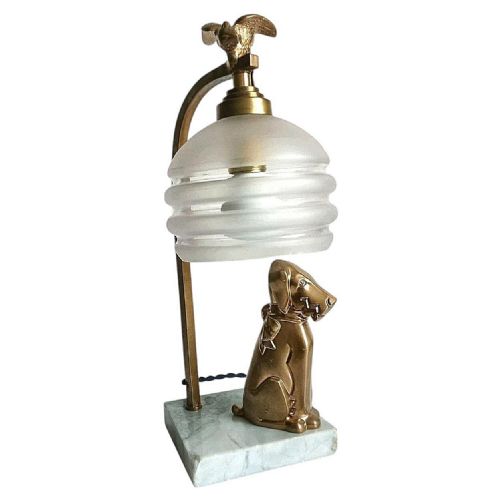
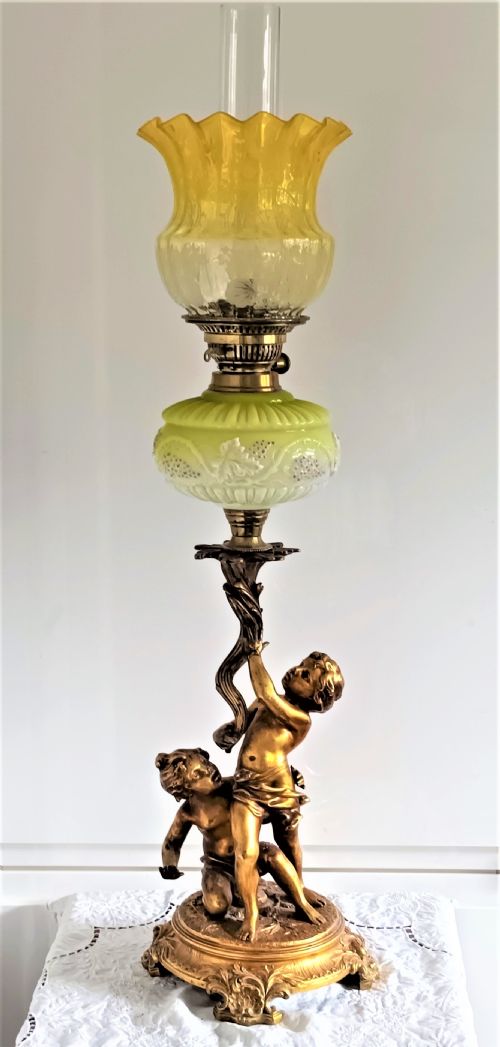
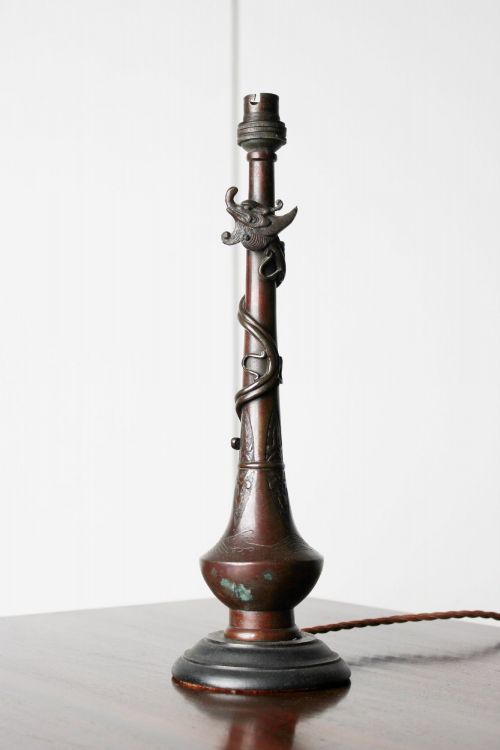


Bronzed Brass Lamp Base
These bronzed brass lamp base pieces combine heavy metal casting with functional illumination, offering a sturdy way to bring period character to a room.
Bronzed Brass Lamp Base
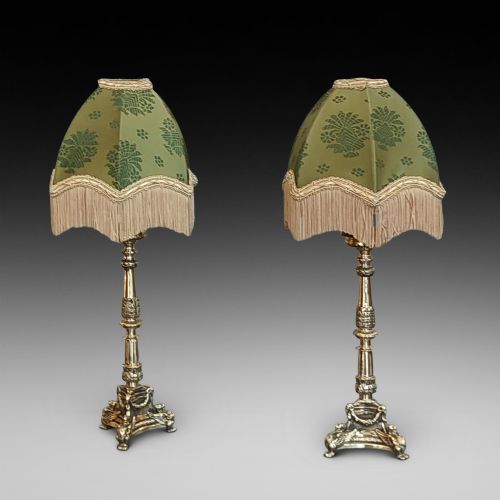
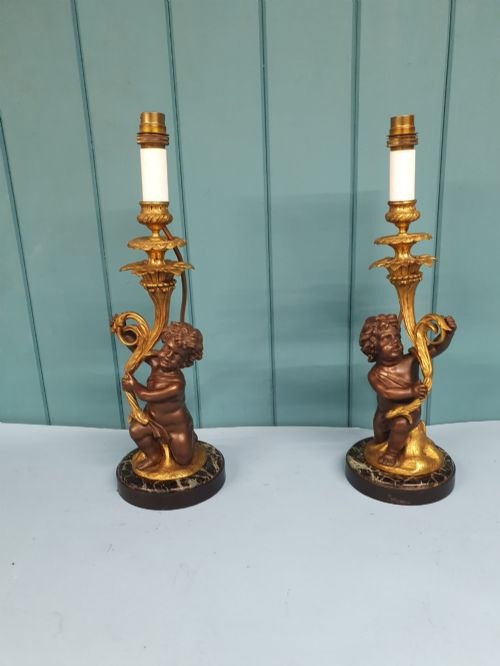
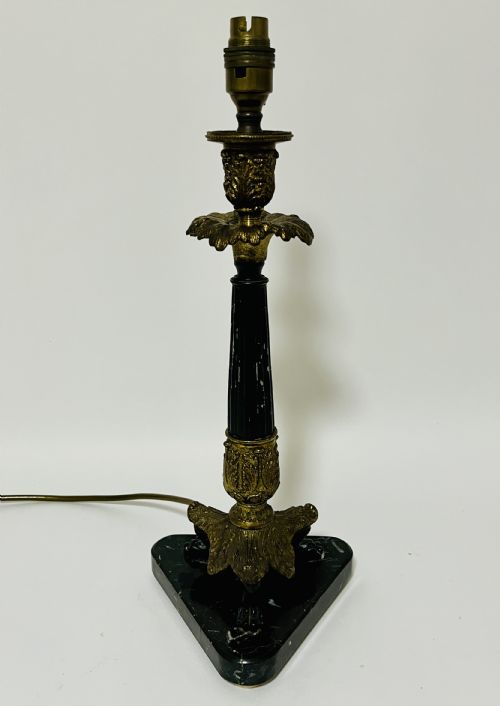
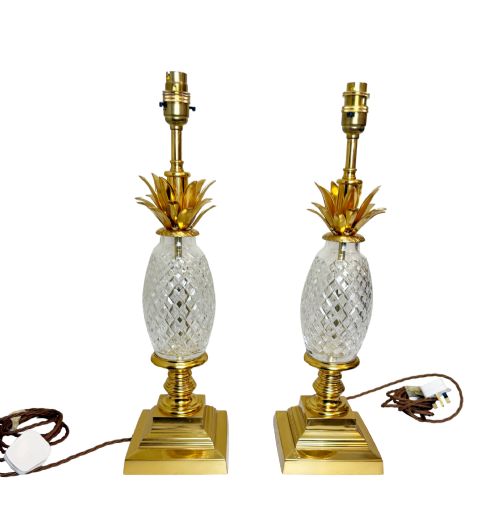
A bronzed brass lamp base brings substantial weight and metallic warmth to a room, frequently taking the form of converted oil lamps, classical columns, or figurative statuary. These lighting pieces span from the nineteenth century through the art deco era, encompassing both British and continental European workshops.
Many items started as oil lamps, candlesticks, or decorative statuettes before receiving modern electrical fittings. This adaptive history means lamp bases often display a dual nature, merging period sculpture with functional household illumination.
Materials and construction methods
Foundries cast these pieces using brass, bronze, and gilt metal, often applying patination to achieve the characteristic dark bronzed surface finish. Ormolu and fire gilding appear frequently on higher-end French items, providing bright metallic contrast against the darker body.
Foundational elements regularly incorporate contrasting materials like white or green marble, onyx, and opaline glass to add physical heft and visual texture. Fabric shades and painted metal components complete the assemblies, reflecting the diverse decorative tastes of the nineteenth and early twentieth centuries.
Bronzed Brass Lamp Base Retail Price Guide 2026
Typical asking prices for bronzed brass lamp base among the pieces listed under this phrase on Sellingantiques today, from the lower quarter to the upper quarter. They describe what is for sale here now, not the wider market.
Listings span the nineteenth century through the 1930s, featuring brass, bronze, marble, and opaline glass.
Judging the standard of workmanship
Superior quality rests in the crispness of the metal chasing and the depth of the cast detail, where facial expressions on cherubs or botanical flourishes remain sharp rather than blurred. Heavy bases utilising genuine marble or onyx display superior material selection compared to lighter alloy alternatives.
The integration of the electrical conversion relative to the original antique body dictates the success of the piece. Clean internal wiring paths that preserve the integrity of the antique column or figure separate thoughtful adaptation from hurried modification.
Joseph Hinks·Wilhelm Wagenfeld
The Bronzed Brass Lamp Base Glossary
- Ormolu
- Gilt bronze created by applying a mercury and gold amalgam to a bronze base and heating it. This technique produced a durable, rich golden surface seen on French decorative arts.
- Spelter
- A zinc alloy frequently used as a cheaper substitute for bronze or brass in casting figures and bases. It takes patination well but possesses a lighter weight and softer structural strength.
- Cloisonne
- An ancient enamel technique where thin metal wires form compartments on a metal surface, which are then filled with coloured paste and fired. Pieces often feature intricate botanical or geometric patterns.
- Tole peinte
- Painted sheet metal, typically tin, utilised for decorative lamp components and shades. The surface displays hand-painted botanical or pastoral motifs over a dark enamel ground.
- Column lamp
- A lighting standard modelled after classical architectural orders such as Corinthian or Doric. These pieces frequently incorporate stepped plinths and fluted shafts.
Bronzed Brass Lamp Base: Frequently Asked Questions
How do I clean a bronzed brass lamp base?
Dust the metal gently with a soft, dry cloth to prevent accumulation in recessed cast details. Avoid harsh chemical polishes that can strip the original aged patination from the surface.
For marble or glass components, use a damp cloth followed immediately by a dry one. Ensure the unit remains unplugged and moisture stays entirely away from electrical fittings during cleaning.
Were all these lamps originally electric?
Most of these pieces began life as oil lamps, candlesticks, or decorative bronze statuettes during the nineteenth and early twentieth centuries. Conversion to electricity typically occurred later during their lifespan to suit modern domestic needs.
Original burners and fonts were often removed or adapted to house lamp holders and wiring. This adaptation preserves the decorative artistry of the original object while restoring practical utility.
How can I tell French styles apart?
French Empire designs feature strict classical symmetry, incorporating military motifs like laurel wreaths and rams heads. Rococo Revival pieces favor asymmetric scrolls, naturalistic foliage, and playful cherubs.
Later Belle Epoque and Art Deco items introduce stylized geometry or sleek novelty figures. Examining the cast ornamentation usually reveals the design vocabulary of the specific period.
What is the best way to choose a lampshade?
Match the scale of the shade to the substantial weight and height of the metal base. Traditional fabric shades with simple pleats complement classical columns and urn forms without overpowering them.
Consider the era of the base when selecting shade colours and textures to maintain visual harmony. Neutral silks or textured linens allow ornate bronzed castings to remain the focal point.