


Bronze Wall Relief Panel
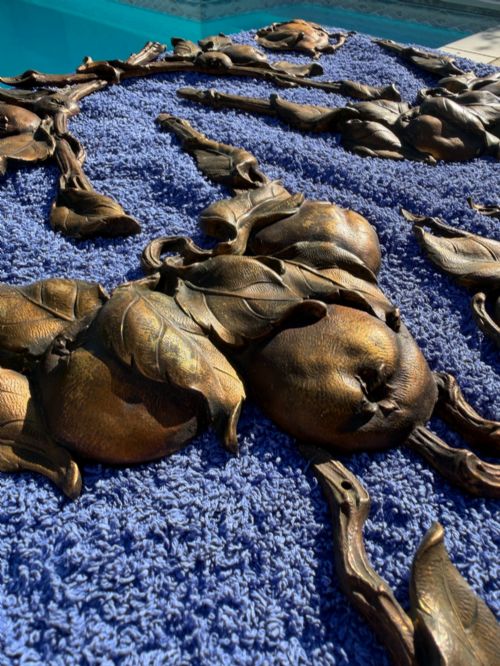
A bronze wall relief panel brings sculptural depth and tactile presence straight to a room, offering cast detail that flat canvases simply cannot match.
Bronze Wall Relief Panel
A bronze wall relief panel brings together cast metalwork and interior decoration across periods from the nineteenth century to later decades. You will frequently encounter wall plaques, furniture mounts, and portrait reliefs shaped in cast bronze, copper, and white metal.
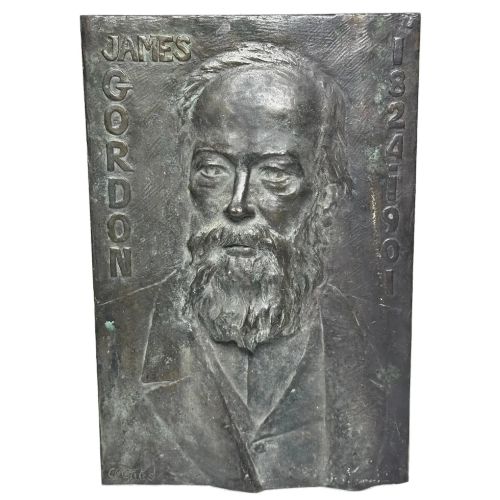
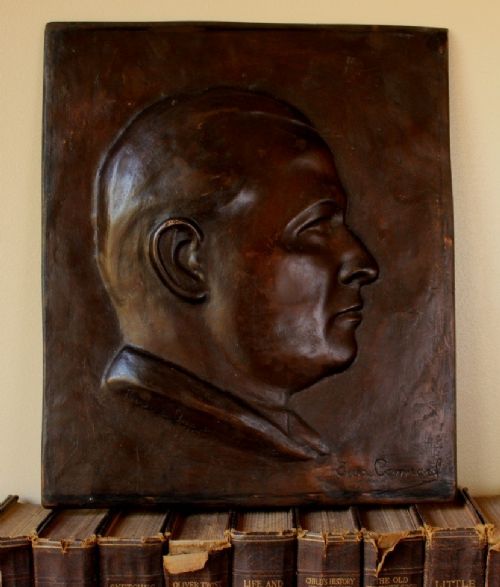
Makers produced these works in various regional styles, including French nineteenth century, Art Deco, and Victorian neoclassical designs. These pieces range from portrait studies of figures such as James Gordon and Queen Astrid to heraldic coats of arms and architectural scenes like the Castello Sforzesco.
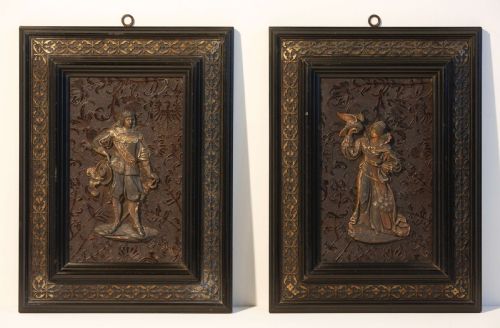
Many examples arrive mounted on wood or ebonised wood panels for direct suspension on interior walls. Collectors select them for their combination of metallic patination and low-relief sculptural narrative.
How they were made
Foundries utilised casting techniques in bronze, copper, and white metal to capture fine surface detail in relief. Artisans often applied gilt highlights or patination to accentuate the contours of figures and ornamentation.
Wood backings in oak and ebonised wood provided rigid support for mounting the metallic panels. Makers secured the metal reliefs to these wooden plaques using specialised pins or screws.
Signatures and foundry marks were frequently chased or stamped directly into the metal surface during the finishing process.
Listings feature works spanning the nineteenth century, Edwardian era, and Art Deco periods, alongside pieces dated to nineteen-twenty and nineteen-forty.
What varies in quality
The richness and stability of the surface patination distinguish superior examples from standard production pieces. Original gilding and untouched bronze oxidation indicate better preservation over time.
The integration between the metal relief and its wooden mount demonstrates the level of craftsmanship involved. High-quality panels show secure flush fitting and harmonious material combinations.
Poix Blin·Eugene Canneel·Alice Gates·Coalbrookdale
The Bronze Wall Relief Panel Glossary
- Relief
- A sculptural technique where figures or designs project from a flat background surface. High relief projects boldly, while low relief stays closer to the plane.
- Gilt Bronze
- Bronze metal that has been coated with a thin layer of gold or gold-coloured alloy. This finish adds bright reflective highlights to the cast details.
- Applique
- An ornamental fitting or plaque applied to a larger surface such as furniture or a wall panel. These pieces are typically cast separately before being attached.
- Patina
- The surface coloration and sheen that develops on bronze over time through age and handling. A stable patina protects the underlying metal.
- Maquette
- A small preliminary model or sketch for a finished sculpture. These early trial pieces often show the initial creative gesture of the artist.
Bronze Wall Relief Panel: Frequently Asked Questions
How do I hang a bronze wall relief panel safely?
Most panels feature integrated hanging loops or are secured to wooden backings designed for wall mounting. Ensure you use appropriate fixings suited to the weight of the metal and wood.
Check the stability of the metal attachment to the wooden panel before hanging. Professional picture hooks rated for heavy items provide the safest support.
How should I clean a bronze wall relief panel?
Dust the surface gently with a soft, dry cloth to remove accumulated particles. Avoid commercial metal polishes, which can strip away desirable historical patina.
Keep the panels away from direct moisture and high humidity to prevent surface corrosion. Professional conservation advice is recommended if deeper cleaning becomes necessary.
What is the difference between bronze and white metal reliefs?
Bronze is an alloy primarily composed of copper and tin, prized for its warm brown tones and durability. White metal typically uses zinc, tin, or lead bases, often finished with silvering or gilding.
Cast bronze generally offers greater longevity and crisper detail retention than softer white metal alternatives. Both materials appear frequently in antique wall plaques.
How can I tell the age of a relief panel?
Examine the style of the portraiture, lettering, and decorative motifs for period indicators such as Art Deco or Victorian design traits. Signatures, foundry marks, and biographical subjects provide firm chronological clues.
The backing materials, including ebonised wood or oak panels, also offer evidence of the period of manufacture. Construction methods on the reverse often reveal the age of the assembly.