



Bronze Vessel Base
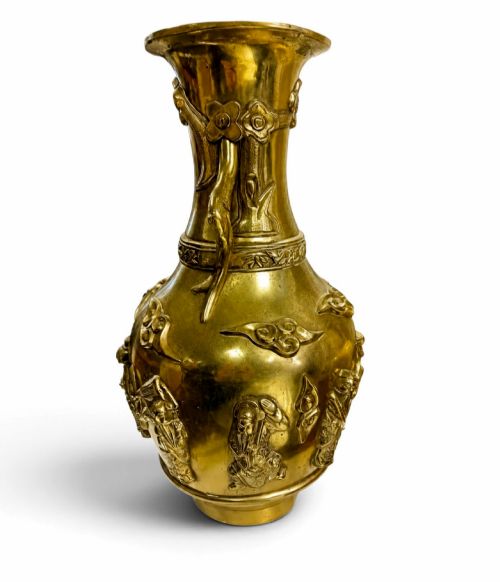
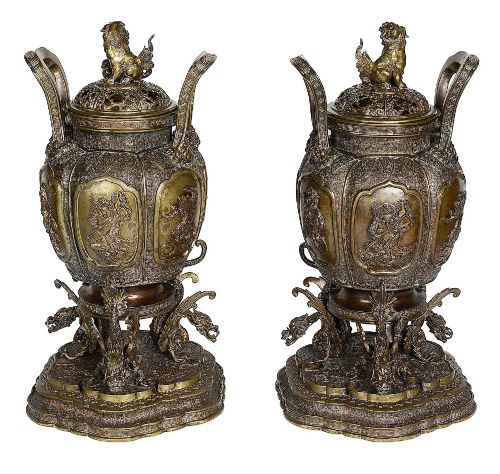
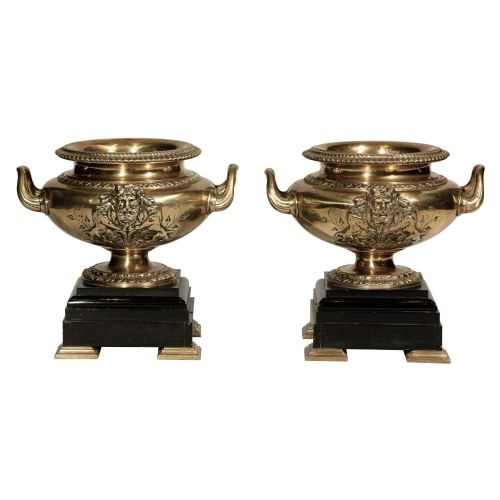
A bronze vessel base anchors classical forms and decorative objects, ranging from heavy marble mounts to intricate cast supports.
Bronze Vessel Base
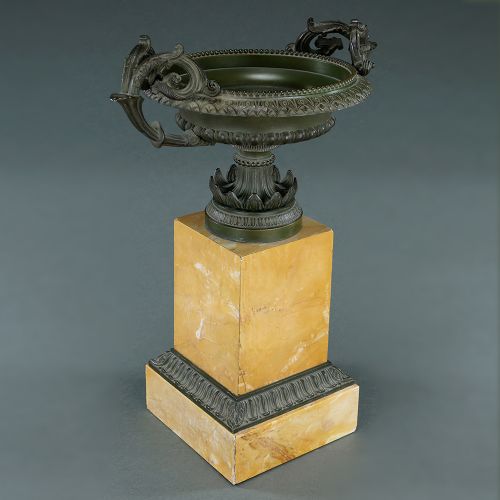
A bronze vessel base provides the structural and aesthetic foundation for decorative items like tazzas, urns, and vases. When you search for a bronze vessel base, you are looking at items that often double as distinct sculptural objects or integral mounts for larger pieces.
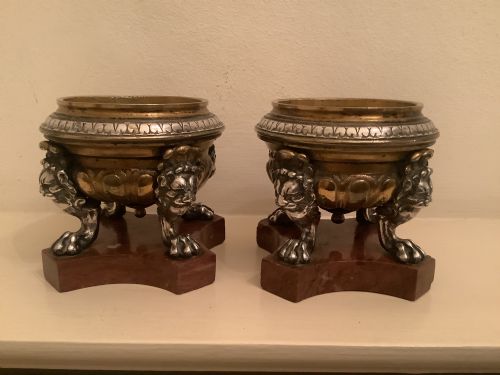
The selections available here span several centuries and design traditions, including French Empire, Neoclassical, and Japanese Meiji period works. You will frequently encounter nineteenth-century examples, such as Italian Grand Tour souvenirs and French marble-mounted pieces.
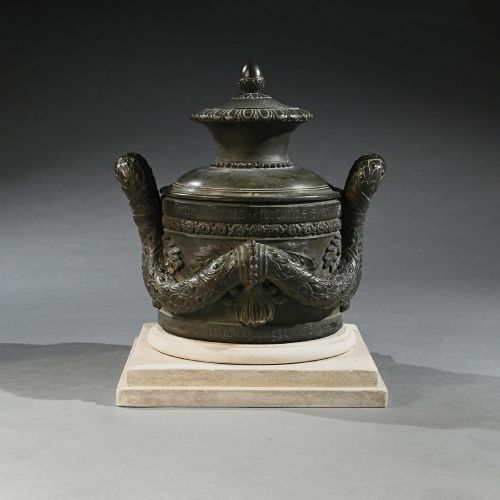
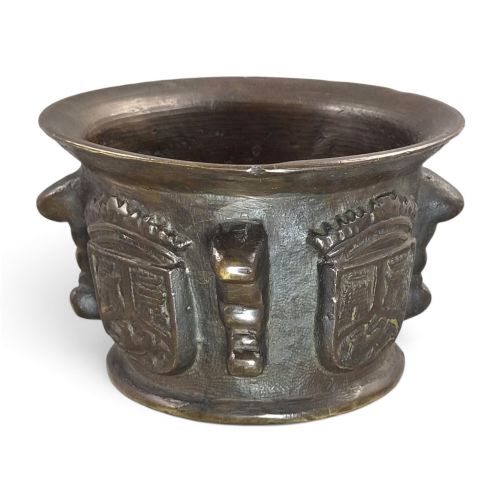
Forms range from simple apothecary mortars to elaborate baluster vases and lidded urns featuring cast or high-relief details. Many items integrate contrasting materials like Siena marble or silver plating to elevate their visual presence.
Materials and construction methods
These pieces rely heavily on cast bronze and copper alloy, shaped through traditional foundry techniques to achieve crisp surface detail. Founders utilised lost-wax or sand casting methods to create sturdy foundations capable of supporting heavy vessels and stone elements.
Many examples incorporate natural stone bases, particularly Siena marble and rouge griotte, turned and polished to contrast with the dark or patinated metal above. Gilding, silvering, and applied patination further define the surfaces, highlighting chased details and inscriptions.
Bronze Vessel Base Retail Price Guide 2026
Typical asking prices for bronze vessel base among the pieces listed under this phrase on Sellingantiques today, from the lower quarter to the upper quarter. They describe what is for sale here now, not the wider market.
Listings feature bronze and copper alloy objects paired with Siena marble, rouge griotte, and silver plating across the nineteenth century.
Distinguishing quality in cast metalwork
Quality in these objects rests on the sharpness of the casting and the precision of the finishing work. Superior pieces display clean lines, well-defined relief work, and careful chasing that preserves intricate motifs without softening the edges.
The integration of materials also dictates the grade of the piece, particularly where metal meets marble. A higher standard of execution is evident when stone plinths are accurately fitted and polished to complement the weight and colour of the bronze.
Vincenzo Gemito
The Bronze Vessel Base Glossary
- Tazza
- A shallow cup or bowl mounted on a stem and foot. This form often serves as a central display piece or decorative centrepiece.
- Grand Tour
- A cultural journey undertaken by nineteenth-century Europeans to collect classical antiquities and souvenirs. These items frequently replicate ancient statues and architectural fragments.
- Baluster
- A moulded column or shaft, typically swelling towards the lower part. It provides robust structural support for vases and urns.
- Patination
- The natural or chemical change in the surface colour of metal over time. It adds depth and protects the underlying bronze.
Bronze Vessel Base: Frequently Asked Questions
What is a bronze vessel base used for?
These pieces function primarily as decorative supports or independent display objects, often elevating tazzas, urns, and vases.
They bring classical proportion and substantial weight to tabletop displays and architectural collections.
How do I care for antique bronze?
Dust the surface regularly with a soft, dry cloth to prevent dirt accumulation in recessed details. Avoid using commercial metal polishes that can strip the historic patination.
Keep the items away from excessive moisture and direct sunlight to preserve the finish of both the metal and any incorporated marble.
What periods do these pieces represent?
The selection spans from the seventeenth to the late nineteenth century, encompassing various regional styles. You will find items originating from European and Asian workshops.
Nineteenth-century interpretations of classical antiquity, such as Italian Grand Tour items, are particularly common.
How can I identify a Grand Tour souvenir?
Grand Tour pieces typically replicate ancient Roman or Greek art forms, often combining cast bronze with coloured marble bases. They were acquired by travellers in Italy during the eighteenth and nineteenth centuries.
These items frequently include tazzas, miniature urns, and sculptural reductions of famous monuments.