



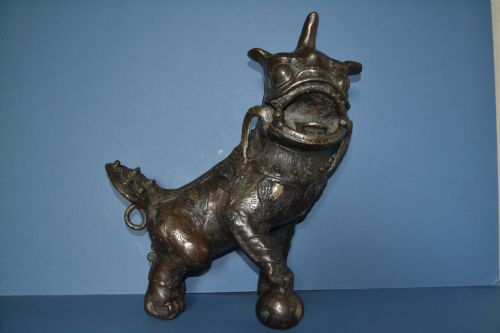


Bronze Temple Figure
A bronze temple figure brings the solemn presence of historic shrines straight into a modern interior through cast metal and ritual form.
Bronze Temple Figure
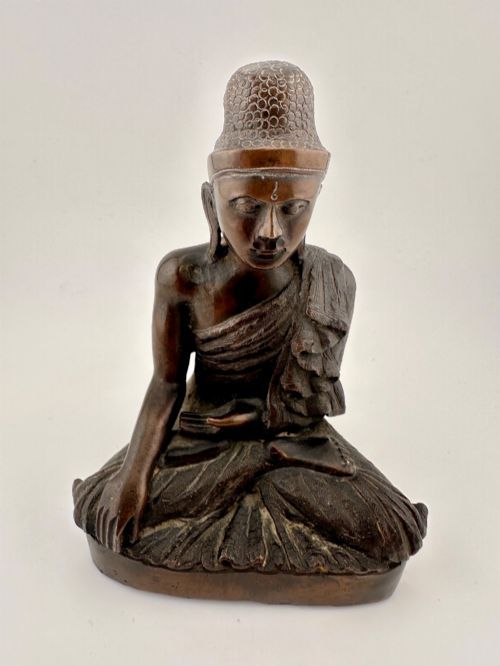
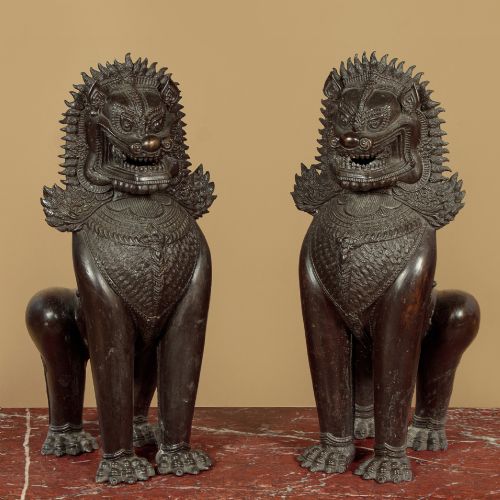
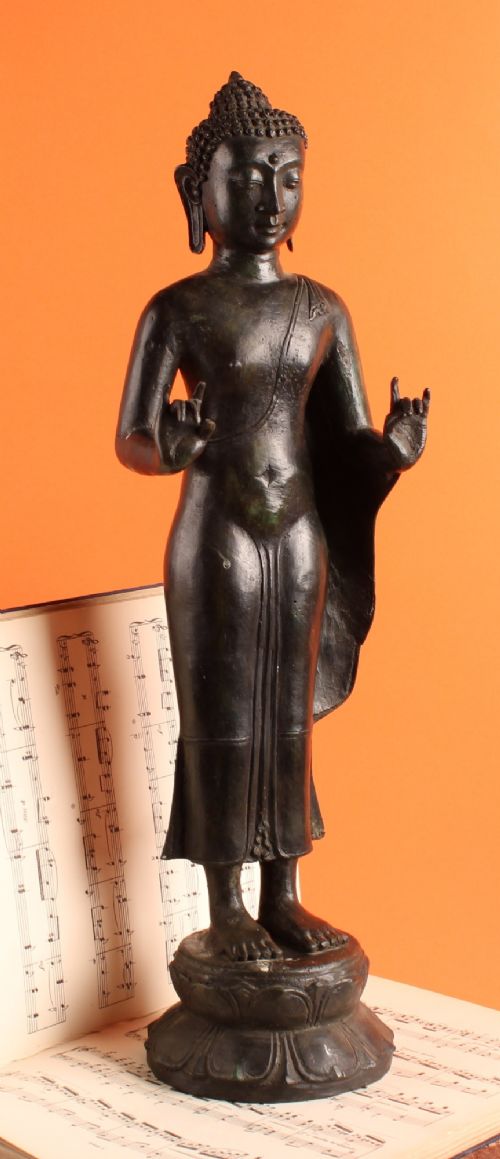
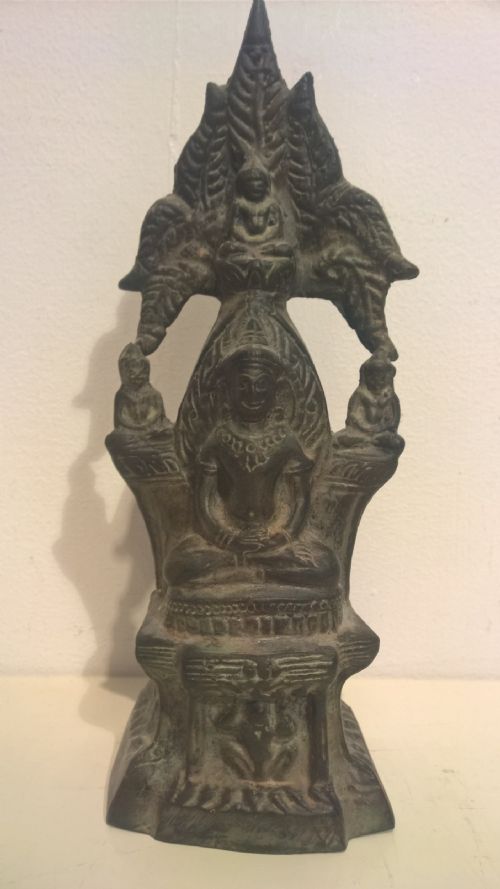
A bronze temple figure is a sacred sculptural representation originating from shrines across Asia, spanning depictions of Buddhas, bodhisattvas, and temple guardians. When searching for a bronze temple figure, collectors encounter both individual deities and matched pairs of protective temple lions cast for ritual spaces.
The pieces available on this page stretch across multiple centuries and stylistic traditions, from nineteenth-century Thai Rattanakosin Buddhas to sixteenth-century Central Javanese bodhisattvas. Most examples met here lean towards nineteenth-century cast works, alongside earlier regional styles such as Ayutthaya and Khmer.
Beyond seated and standing divine figures, the category broadens to encompass related ceremonial objects including bronze bells, table gongs, and monumental temple lions. Each object carries the distinct sculptural language of its specific regional origin, whether South Asian, Southeast Asian, or East Asian.
How they were made
The construction of these temple pieces relies heavily on traditional metal casting techniques, predominantly utilising bronze, brass, and copper alloy. Artisans frequently applied surface enhancements such as gilding or gold inlay to highlight the divine attributes of the deities.
Many figures demonstrate sophisticated casting mastery, handling substantial weight - such as heavy temple lions - while retaining fine detail in drapery and expression. Patinated iron and ormolu also appear among the material repertoire, reflecting the diverse workshop practices of each period.
Bronze Temple Figure Retail Price Guide 2026
Typical asking prices for bronze temple figure among the pieces listed under this phrase on Sellingantiques today, from the lower quarter to the upper quarter. They describe what is for sale here now, not the wider market.
Listings feature periods spanning from the sixteenth century through to the 1930s, utilising bronze, brass, copper alloy, and gold inlay.
What varies in quality
The survival of original surface treatments, including gold inlay, delicate gilding, and aged patination, distinguishes exceptional works from those with heavily worn or stripped surfaces. Proportion and balance in paired elements, such as temple lions, further separate standard decorative castings from masterworks.
The Bronze Temple Figure Glossary
- Mudras
- Symbolic hand gestures displayed by figures in Buddhist iconography. Each specific gesture communicates a distinct teaching or state of mind.
- Bodhisattva
- An enlightened being who delays nirvana to assist others. These figures are typically adorned with royal jewellery and elaborate crowns.
- Rattanakosin
- A style period originating from Thailand dating from the late eighteenth century onwards. It is noted for ornate detailing on royal garments and serene facial expressions.
- Gilt bronze
- Metal cast in bronze and subsequently coated with a thin layer of gold leaf or gold amalgam. This technique catches the ambient light within dim shrine interiors.
Bronze Temple Figure: Frequently Asked Questions
How do I identify a temple lion?
Temple lions, often called Foo dogs, are typically encountered in mirrored pairs designed to guard an entryway or altar.
They feature muscular feline forms, curly manes, and powerful paws, frequently with one paw resting upon a ball or a cub.
Where should I place a bronze figure?
These sculptures suit stable, weight-bearing surfaces such as sideboards, low tables, or dedicated pedestals.
Ensure the display location is clear of high traffic zones to protect protruding elements like crowns or gestures.
What is a double mudra?
A double mudra refers to a sacred hand gesture performed with both hands simultaneously in sculptural depictions.
This configuration emphasises specific teachings or protective qualities associated with the deity.
How do I care for antique bronze?
Dust the surface gently with a soft, dry brush to prevent the accumulation of debris within intricate crevices.
Avoid applying liquid polishes or chemical cleaners that might strip the historic patina.