
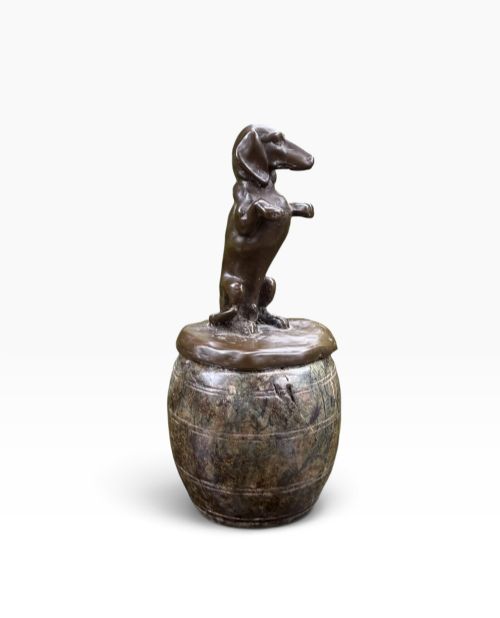
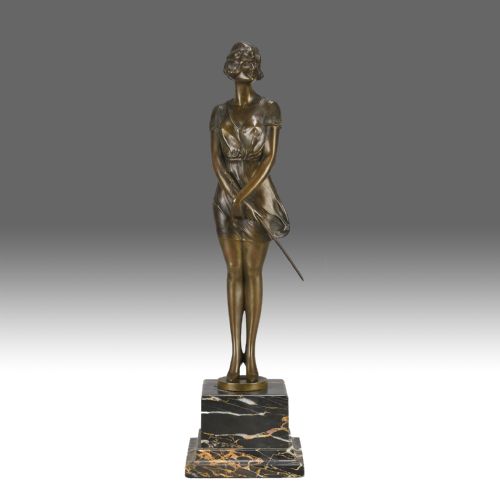
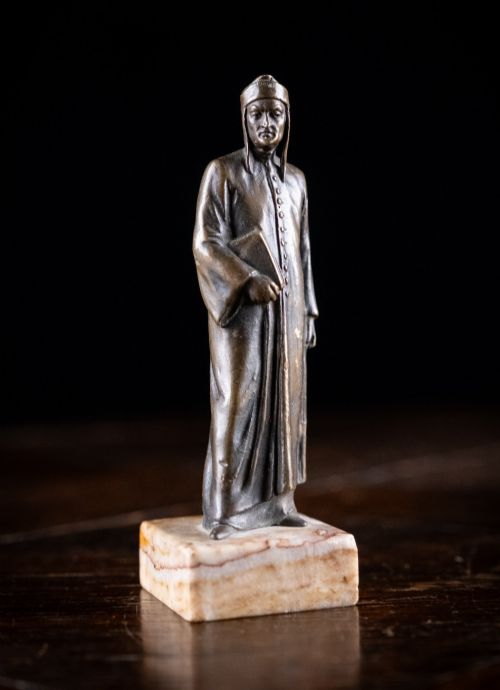
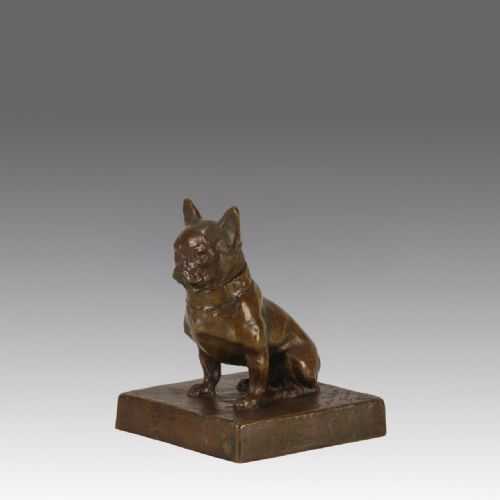


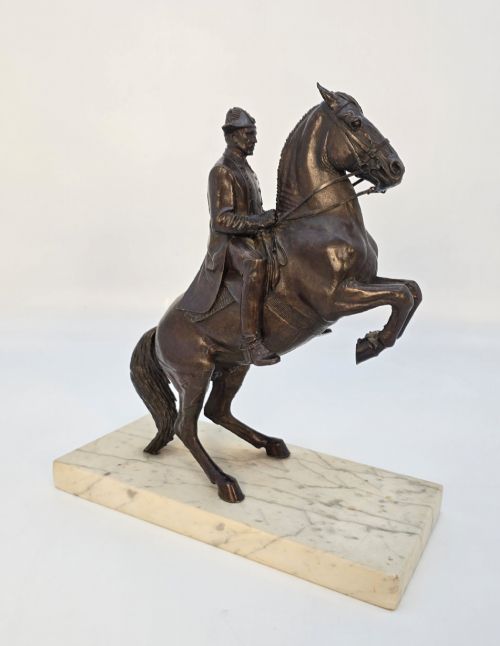

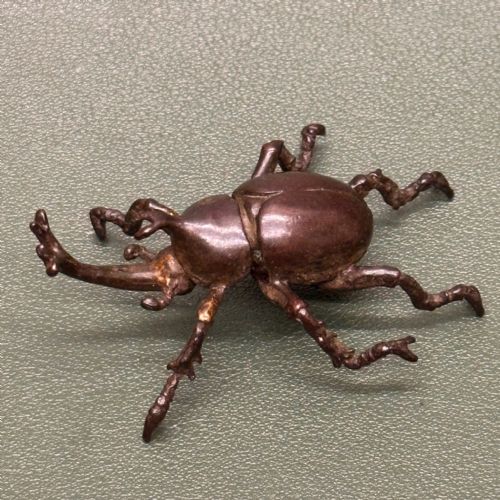

Bronze Study Sculpture
A bronze study sculpture captures a single concentrated moment of animal or human form, prized by collectors for its intimate scale and tactile finish.
Bronze Study Sculpture
A bronze study sculpture presents focused artistic observations of animals, human figures, and historical subjects. Buyers searching for a bronze study sculpture encounter diverse forms ranging from naturalistic wildlife to classical figures.
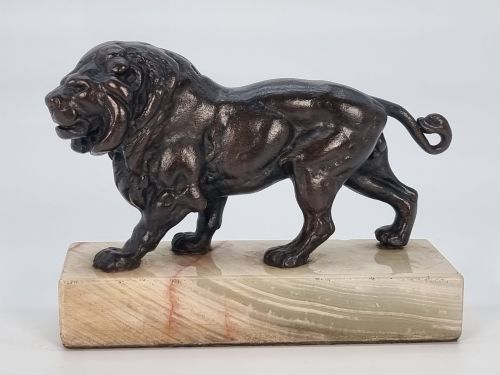
The selections span nineteenth-century animalier works and early twentieth-century modernist creations. Many subjects sit upon integrated bases made from marble or onyx.
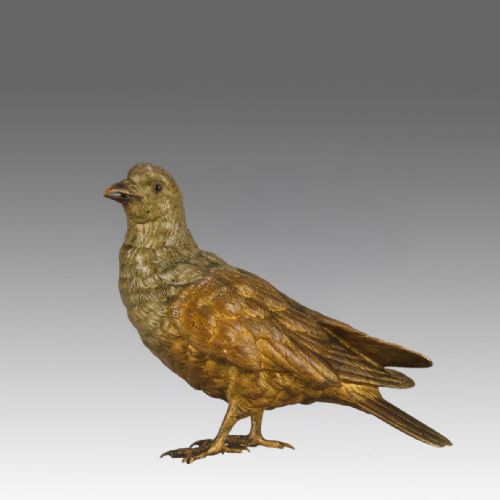
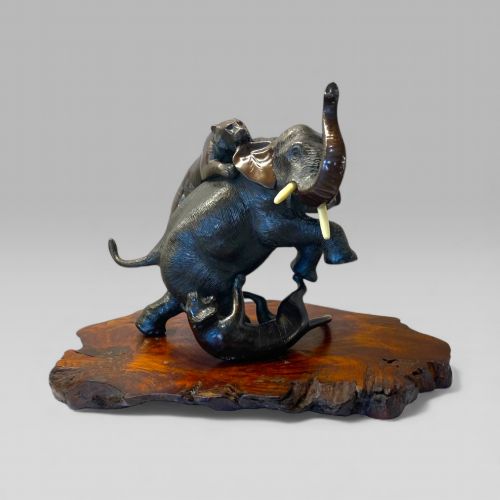
Origin points vary widely across European and Asian workshops, including French animalier bronzes, Austrian cold-painted novelties, and Japanese Meiji period metalwork.
Materials and technique
Foundries utilised traditional lost-wax casting methods to capture fine anatomical details in metal. Molten alloy filled intricate moulds before undergoing meticulous hand-finishing.
Surface treatments define the visual character of these objects, incorporating applied patinas, cold-painted enamel pigments, and partial gilding. Heavier mineral plinths in marble or onyx provide secure structural mounting for smaller figures.
Object forms recorded here range from animalier studies of foxes and elephants to classical Grand Tour busts and figural paperweights.
Factors of quality
Superior examples display crisp chiselling and file work that preserves musculature, feather texture, and facial expression without softening the contours. Lesser pieces show blurred casting lines and heavy, uniform patination that obscures the underlying metalwork.
The precision of the mounting separates standard decorative castings from masterworks. Premium sculptures integrate harmoniously with their marble or onyx plinths, whereas lower-tier examples exhibit clumsy fixings and inferior stone selection.
Bruno Zach·Dora Heber·Franz Bergman·Alfred Dubucand·Jean Jules Salmson·Louis Riche·Sir Thomas Brock·A L Barye·Leofanti Adolphe·Emmanuel Villanis·Jennings Brothers·Ferdinand Preiss·Josef Lorenzl
The Bronze Study Sculpture Glossary
- Animalier
- A nineteenth-century artistic movement dedicated to the realistic portrayal of animals. Sculptors in this tradition focused heavily on anatomical accuracy and dynamic movement.
- Cold-painted bronze
- A technique where polychrome paint is applied to metal without high-temperature firing. This method was widely utilised by Viennese workshops for vibrant avian and human figures.
- Grand Tour
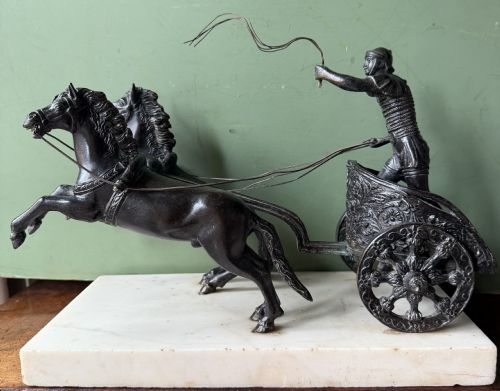
- Souvenir pieces collected by nineteenth-century travellers visiting classical antiquities in Italy. These smaller bronzes reproduced famous statues and architectural busts.
- Patina
- The surface coloration and sheen acquired by metal over time or through chemical treatment. A controlled patina enhances the perceived depth and three-dimensional quality of the casting.
- Lost-wax casting
- A historic process where a master model creates a wax duplicate that is melted out to receive molten bronze. This technique allows for undercut details and thin, delicate forms.
Bronze Study Sculpture: Frequently Asked Questions
What is a bronze study sculpture?
A bronze study sculpture is a small-scale cast metal artwork focused on capturing a single subject, such as an animal, historical figure, or mythological scene.
These pieces served as preparatory models or finished cabinet pieces for collectors who appreciated fine metalwork and compact forms.
How were cold-painted bronzes made?
Artisans applied multiple layers of oil-based enamel paint directly onto the surface of the cast bronze figure without subsequent kiln firing.
This delicate technique produced bright, lifelike coloration particularly common in Viennese animalier and figural works.
Where were Grand Tour bronzes made?
Grand Tour bronzes were produced primarily in Italian workshops during the nineteenth century to satisfy travellers collecting souvenirs of classical art.
These reductions reproduced famous ancient sculptures, architectural elements, and mythological figures found in European museums.
How do I care for antique bronze?
Antique bronze requires minimal intervention, needing only gentle dusting with a soft, dry cloth to protect the underlying patina and finish.
Avoid using chemical polishes, abrasive cleaners, or oils that can strip the historic surface colouring from the metal.