



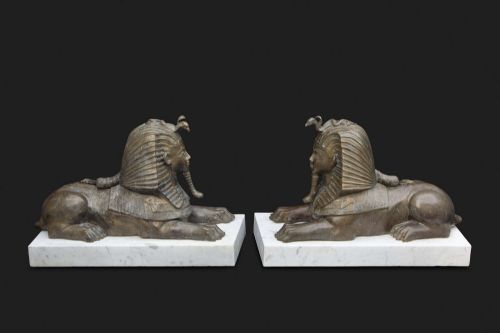


Bronze Statue Decor
These bronze statue decor pieces range from nineteenth-century classical figures to Art Deco animals, bringing distinct historical character to a room.
Bronze Statue Decor
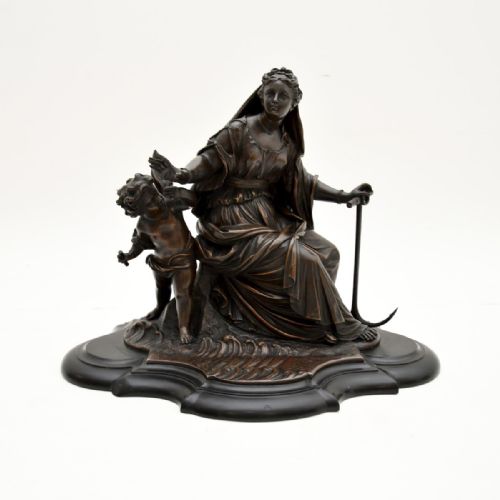
Bronze statue decor encompasses figures, busts, and sculptural groups originating primarily across the nineteenth and twentieth centuries. Buyers searching this phrase encounter forms spanning animalier studies, mythological subjects, and Egyptian Revival pieces mounted on stone bases.
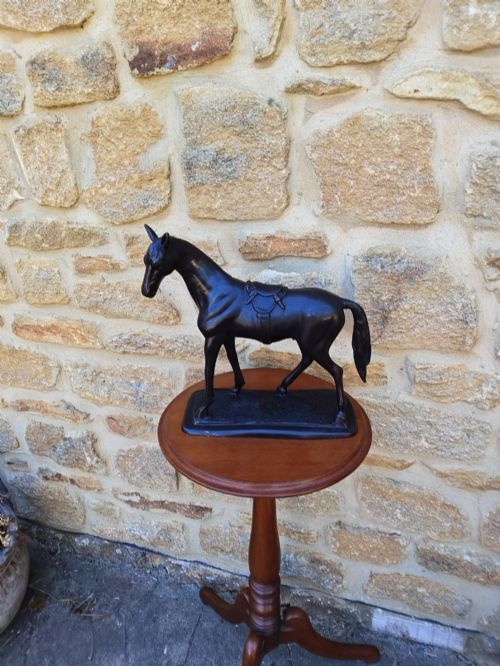
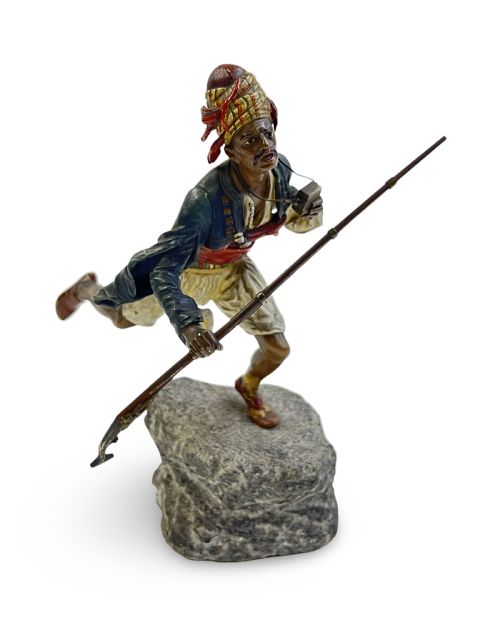
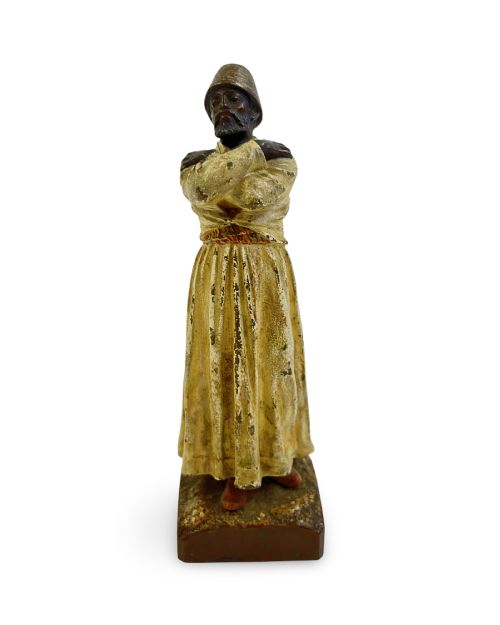
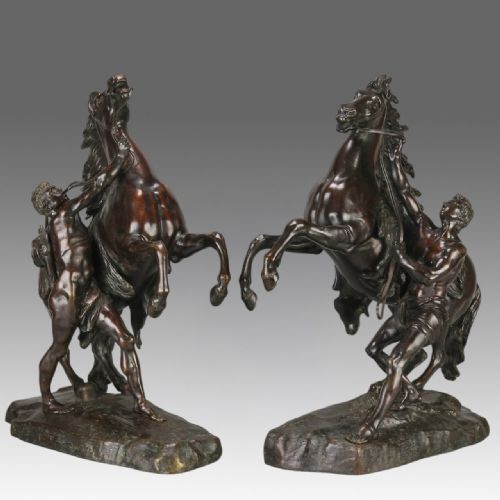
The selections here frequently include cast metal and spelter alternatives alongside solid bronze, often paired with marble or onyx plinths. Animal subjects like horses, deer, and panthers appear regularly beside human figures ranging from classical philosophers to Orientalist warriors.
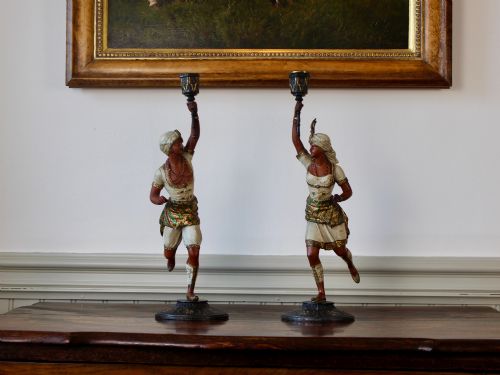
Originating from French, Italian, and Viennese workshops, these objects serve decorative display roles as statuettes, candlesticks, and fire-side ornaments. The domestic scale of the pieces allows them to function readily on mantelpieces, desks, and dedicated stands.
Materials and Casting Techniques
Many of these sculptures utilise the traditional lost-wax casting method to achieve fine detail in the metalwork, while others rely on white metal alloys like spelter for similar sculptural forms. Gilt finishes and cold-painted pigments add surface colour to figures originating from European foundries.
Mounts frequently incorporate natural materials, with Carrara marble, black marble, olive wood, and onyx providing sturdy plinths for heavy metal figures. Oil paint and applied patination complete the surfaces of both early twentieth-century animal studies and Victorian busts.
Bronze Statue Decor Retail Price Guide 2026
Typical asking prices for bronze statue decor among the pieces listed under this phrase on Sellingantiques today, from the lower quarter to the upper quarter. They describe what is for sale here now, not the wider market.
One listing isolates a single bronze nostril salvaged from a larger horse statue, preserving a curious sculptural fragment.
Distinctions in Quality
The refinement of the chasing and the crispness of the surface chisel-work separate standard commercial castings from superior examples. Skilled post-casting finishing highlights anatomical details in animalier bronzes and facial expressions in portrait busts.
The quality of the mounting base dictates the overall cohesion of the piece, with dense marbles and turned wooden plinths providing proper architectural support. Intricate cold-painted polychrome surfaces require high technical skill to endure without flaking.
Franz Xaver Bergman·Michel Decoux·Pierre Lenordez·Charles Crozatier
The Bronze Statue Decor Glossary
- Animalier
- A nineteenth-century artistic movement dedicated to the realistic portrayal of animals, particularly horses, dogs, and wild beasts in motion.
- Spelter
- A zinc-based alloy often utilised as a less expensive substitute for bronze, typically finished with a bronze-look metallic paint.
- Cold-painted
- A technique where paint is applied to a metal object without subsequent firing, common in Viennese figural bronzes.
- Grand Tour
- Souvenirs purchased by nineteenth-century travellers visiting classical sites in Italy, usually comprising miniature bronzes of ancient statues.
- Patina
- The surface coloration and sheen developed naturally through age or artificially through chemical treatments on metal sculptures.
Bronze Statue Decor: Frequently Asked Questions
How do I clean a bronze statue?
Dust gently with a soft brush and maintain the dry surface without using harsh chemical polishes that strip the patina.
Apply microcrystalline wax sparingly if protection from atmospheric moisture is necessary, rubbing the surface lightly with a clean cloth.
What is spelter?
Spelter is a zinc-based alloy frequently used in nineteenth-century European manufacturing to produce decorative figures and candlesticks more economically than bronze.
It feels lighter than bronze and often shows a distinct greyish metal underneath worn painted surfaces.
How do I identify Art Deco bronzes?
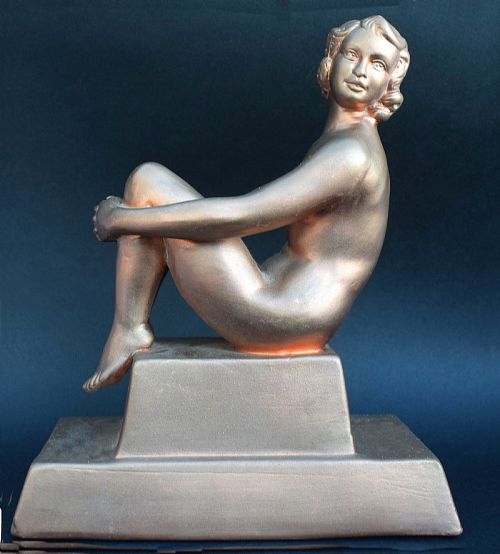
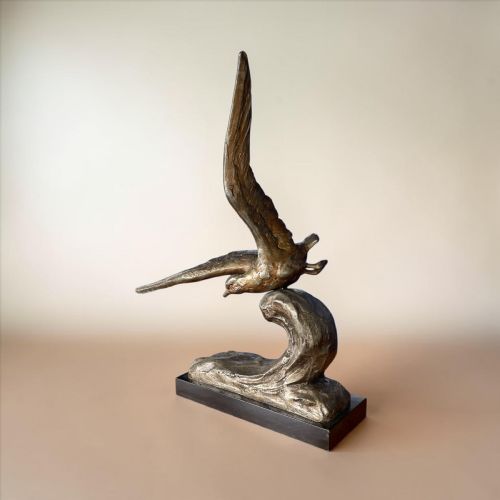
Art Deco bronzes typically feature streamlined animal forms, stylised female nudes, and geometric motifs characteristic of the interwar period.
These pieces often sit on stepped marble or onyx bases that reflect the architectural tastes of the nineteen-twenties and thirties.
What does Animalier mean?
Animalier describes nineteenth-century sculpture focused specifically on accurate anatomical studies of animals, often captured in dynamic poses.
Artists in this genre studied wild and domestic beasts closely to render realistic musculature and movement in cast metal.