
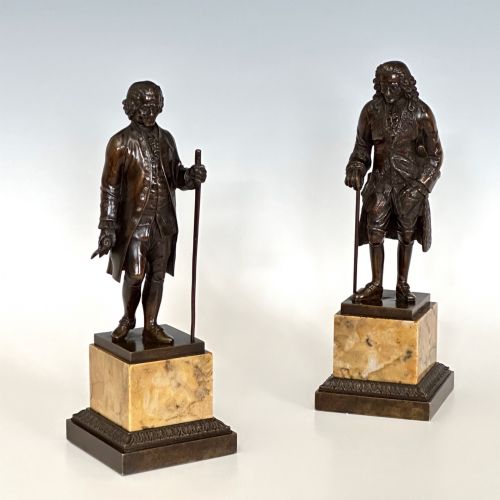
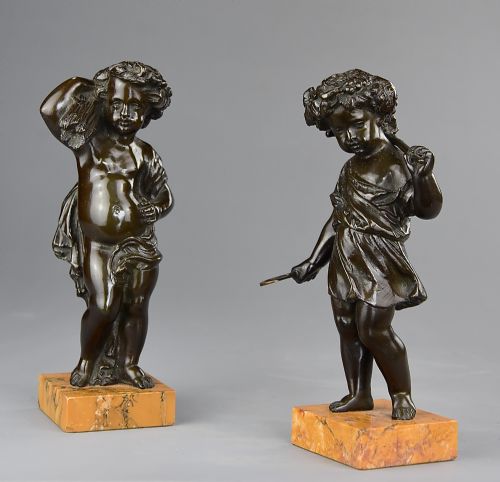
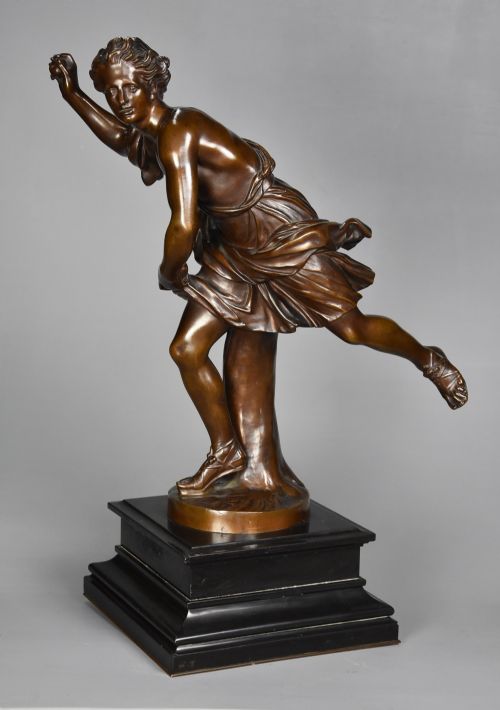

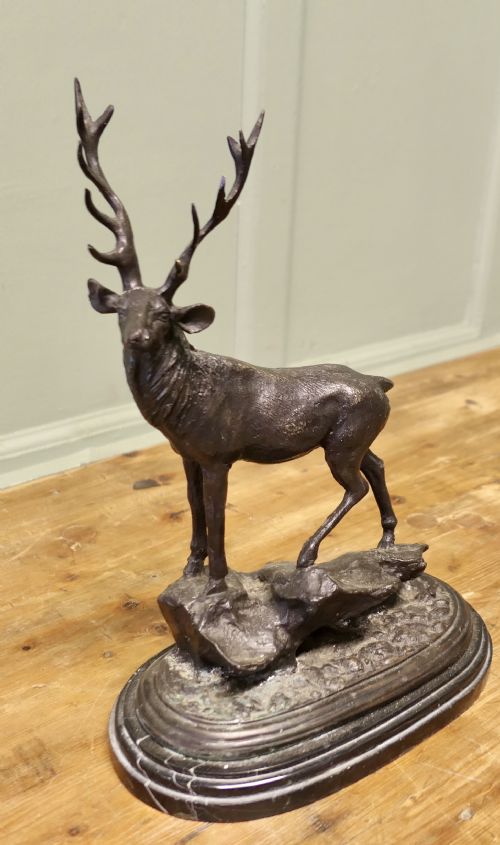
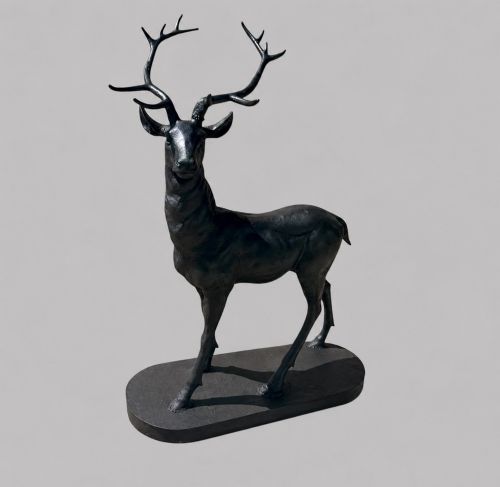

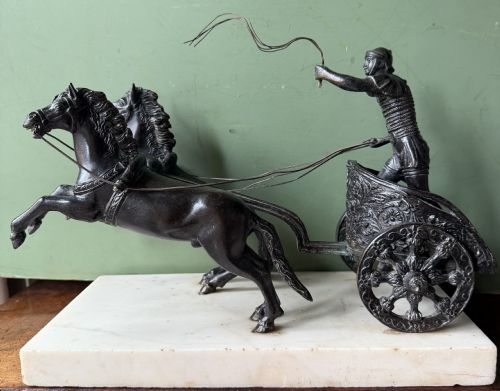
Bronze Sculpture on Plinth
A bronze sculpture on plinth brings classical or decorative presence to a room, combining cast metal figures with solid stone bases.
Bronze Sculpture on Plinth
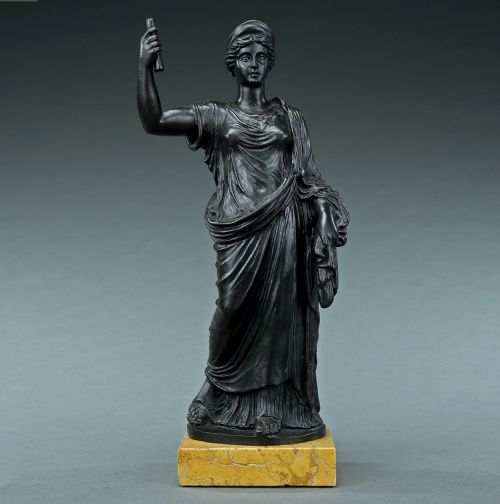
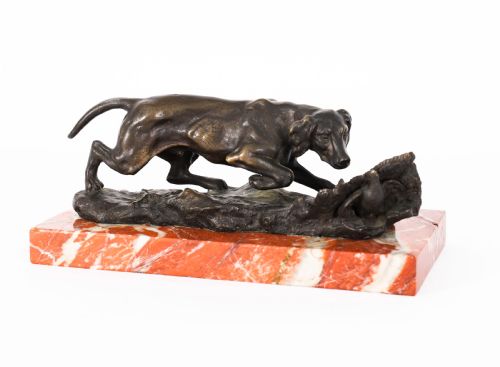
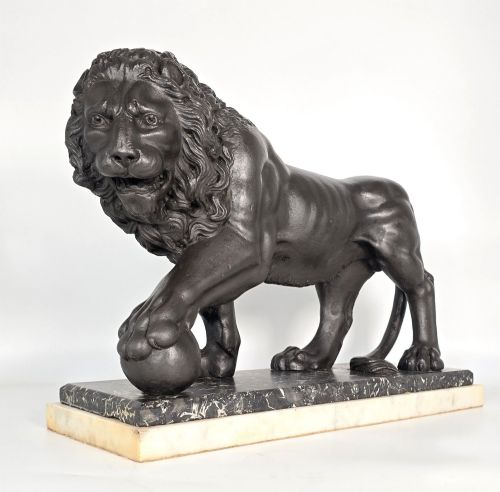
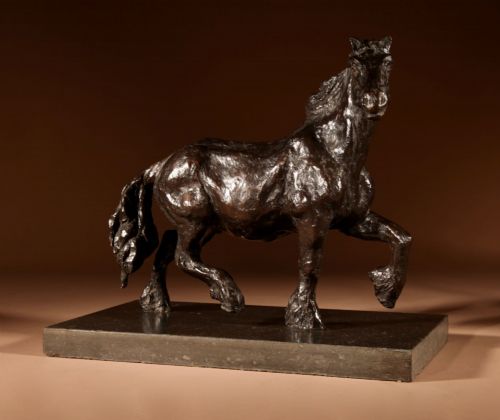
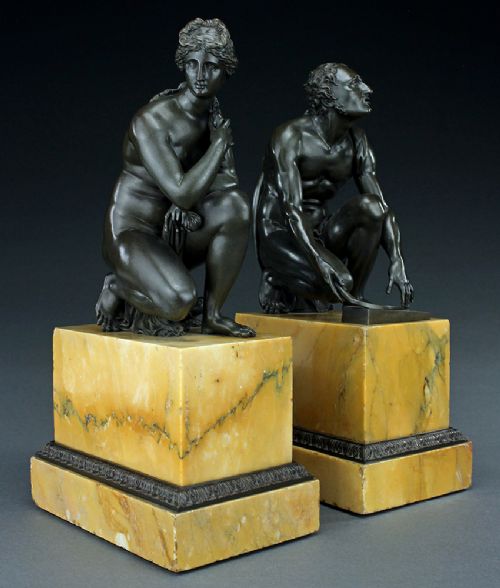
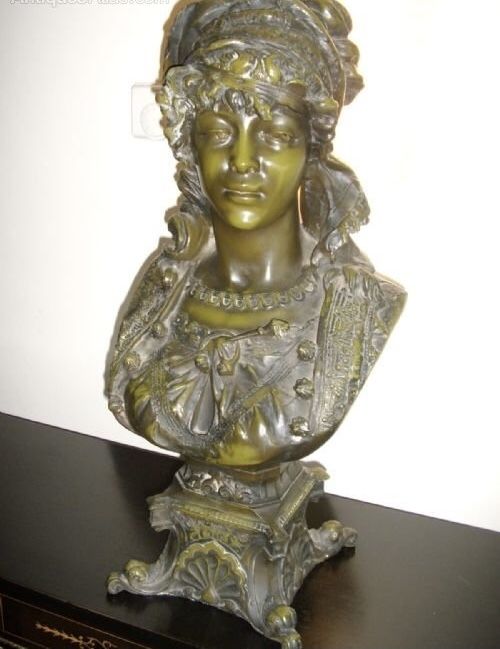
A bronze sculpture on plinth combines metal casting with an architectural stone mount. The pieces span from nineteenth-century Grand Tour souvenirs to Art Deco animal and human figures.
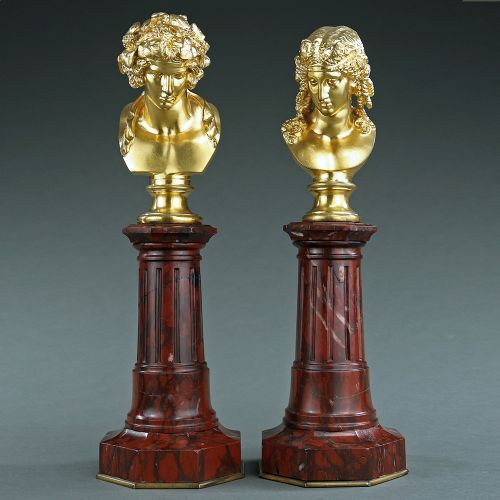
The form pairs cast metal figures such as classical deities, animals, and mythological subjects with heavy bases of marble, onyx, or wood.
Examples range from small tabletop studies to monumental Egyptian Revival works, reflecting periods from the nineteenth century through the twentieth.
How they were made
Foundries used traditional casting methods to produce the metal figures, applying patinas, cold-painting, or gilt finishes to the bronze and spelter surfaces.
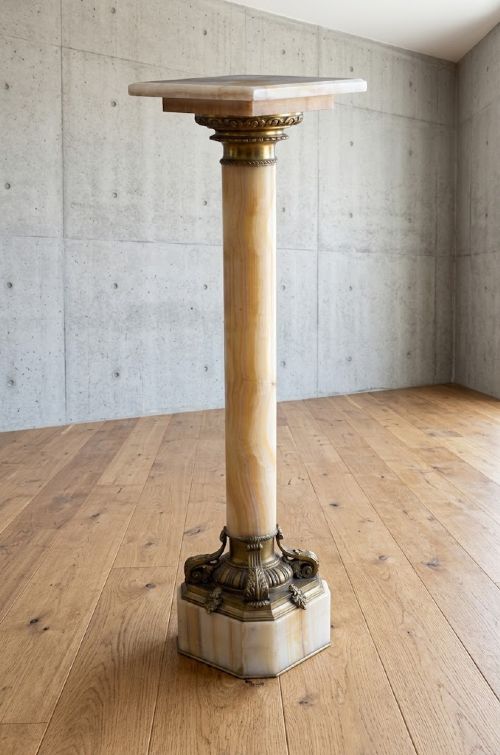
The sculptural elements are fixed to shaped plinths of marble, onyx, or olive wood, sometimes accented with ormolu collars and mounts.
An albatross on the wing shares space with marching frogs and cycling figures.
What varies in quality
The distinction lies in the crispness of the metal chasing and the depth of the patination on the figure. Weaker examples show soft detail in the casting and flat colour.
The choice of base material and the integration between the metal sculpture and its stone plinth determine the overall success of the piece.
Carl Kauba·Barbedienne·Josef Lorenzl·Philip Blacker
The Bronze Sculpture on Plinth Glossary
- Grand Tour
- Souvenirs collected by travellers in Europe, typically reproducing classical sculpture in bronze or marble. These date largely from the nineteenth century.
- Animalier
- A nineteenth-century artistic movement focused on the realistic depiction of animals, particularly in bronze. Such works often capture creatures in motion.
- Ormolu
- Gilt bronze mounts applied to furniture, stone bases, or sculptures. The technique involves a mercury gold amalgam applied to copper or brass.
- Cold-painted bronze
- A method where paint is applied to a cold bronze casting without firing. This technique was widely used in Austrian workshops during the early twentieth century.
- Spelter
- A zinc alloy used as a substitute for bronze in decorative figures. It is lighter and softer than bronze.
Bronze Sculpture on Plinth: Frequently Asked Questions
How do I clean a bronze sculpture?
Dust the metal gently with a soft brush and avoid harsh chemical cleaners that might strip the original patina.
Wax the marble plinth occasionally with a neutral paste to protect the stone surface from moisture.
What is the difference between bronze and spelter?
Bronze is a durable alloy of copper and tin that takes a rich patina and holds crisp detail. Spelter is a softer zinc-based metal that was often used for more affordable decorative figures.
You can sometimes distinguish them by weight and by checking beneath the base where the metal meets the stone.
Where should I place these sculptures?
Display them on sturdy sideboards, mantels, or dedicated columns where their weight and height are fully supported. Keep them away from direct sunlight and excessive humidity to protect both the metal and the stone plinth.
Ensure the room has stable temperatures to prevent stress on the joins between the sculpture and the base.
How can I tell the period?
Look at the casting style, the type of patination, and the material of the plinth, such as nineteenth-century white marble or Art Deco onyx. Signatures and foundry marks also help date the work accurately.
Stylistic cues like Egyptian Revival motifs or Art Deco silhouettes point to specific decades of manufacture.