
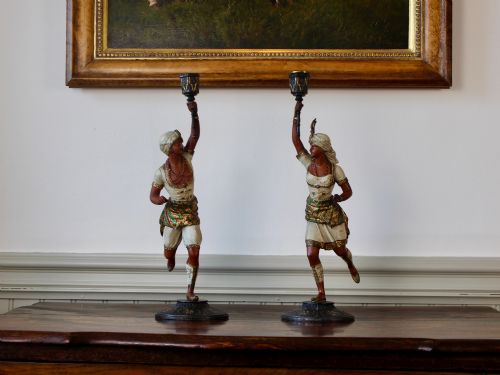


Bronze Sculpture Decor
Bronze sculpture decor brings tactile weight and classical presence into a room, spanning animalier subjects, portrait busts and decorative objects from the nineteenth century through the art deco era.
Bronze Sculpture Decor
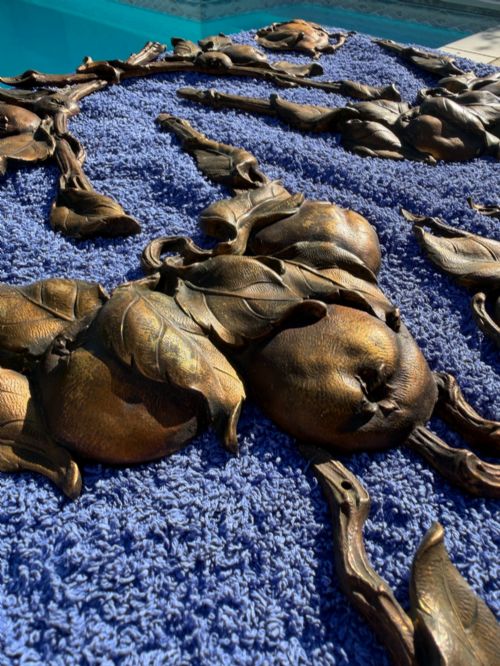
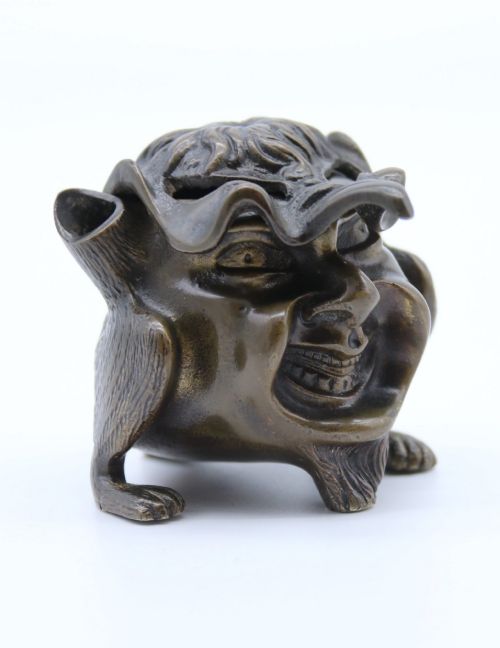
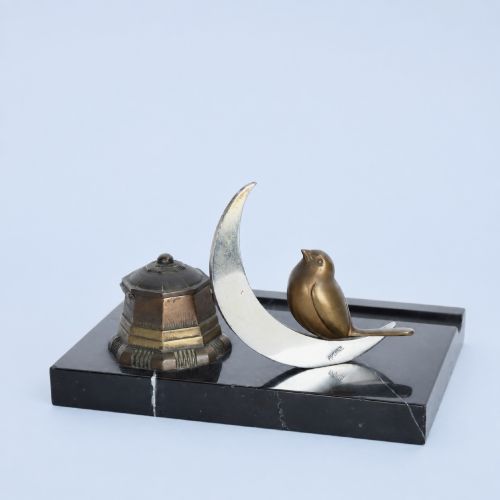
Bronze sculpture decor encompasses utilitarian objects like inkwells and candlesticks alongside animalier figures and portrait busts. These pieces merge decorative function with sculptural form, serving as functional accessories or standalone focal points.
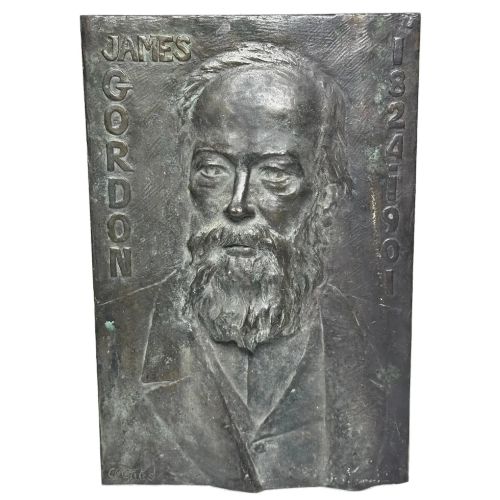
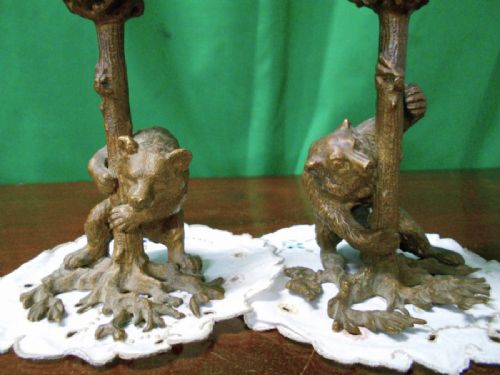
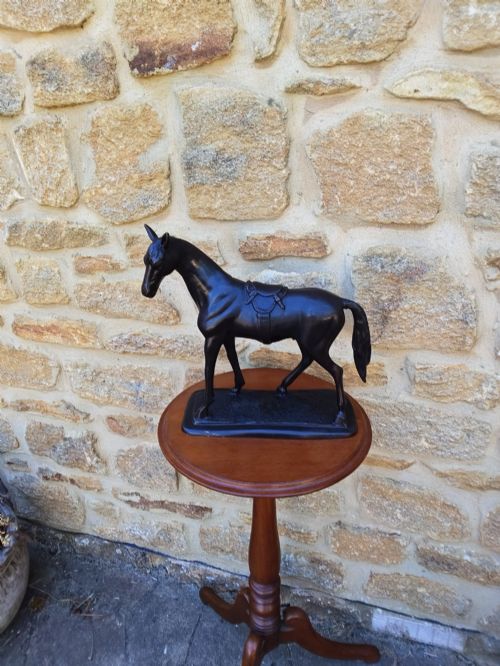
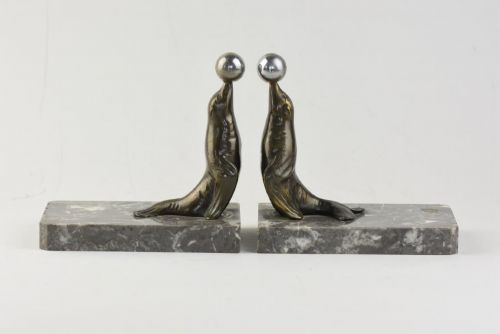
Buyers meet diverse formats, including wall plaques, furniture mounts and bookends, often mounted on marble or wood plinths. Animal subjects like bears, horses and big cats appear frequently alongside human portraits and mythological figures.
Materials and Construction
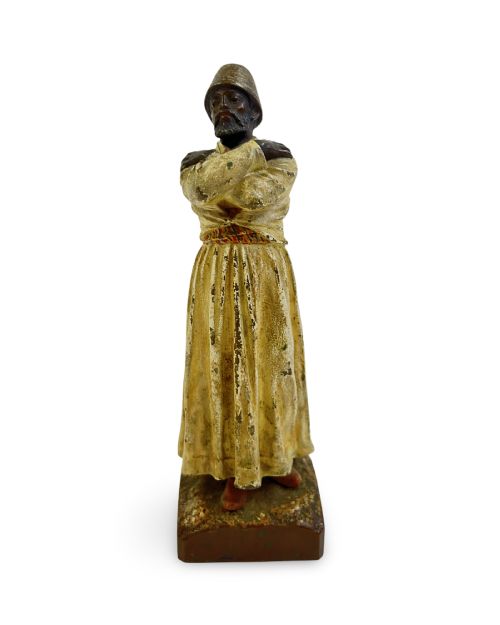
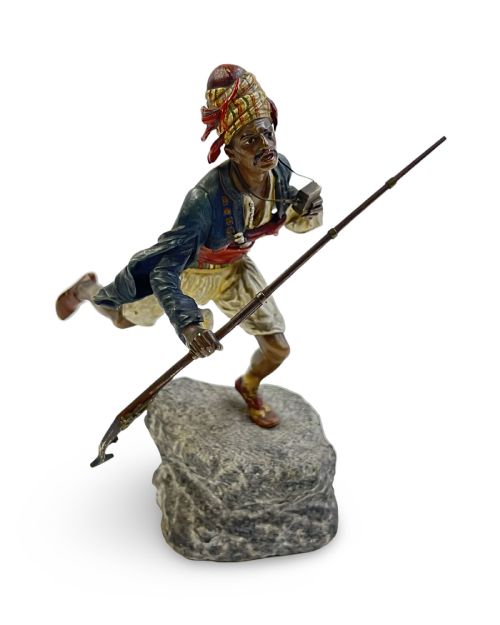
Foundries utilised traditional lost-wax casting methods to capture intricate details in bronze and gilt bronze, occasionally employing cold-painted finishes for vibrant colouration. Spelter and cast metal served as accessible alternatives for figural groups and candlesticks.
Bases frequently incorporated contrasting materials such as black marble, Carrara marble, olive wood and standard timber to elevate and support the metalwork.
Assessing Craftsmanship and Detail
Quality rests in the crispness of the chasing and the finesse of the surface finish, distinguishing finely hand-finished foundry work from routine production castings. Stronger examples retain sharp facial expressions in portraits and nuanced muscle definition in animal studies.
The integration between the metal figure and its stone or wooden plinth demonstrates superior fabrication, where mounts fit flush and patination shows uniform age rather than applied surface masking.
Poix Blin·Alice Gates·Franz Xaver Bergman·Pierre Lenordez·Coustou·Charles Crozatier·Michel Decoux
The Bronze Sculpture Decor Glossary
- Bronze
- An alloy primarily of copper and tin prized for its tensile strength and ability to hold fine detail in casting. It develops a natural oxidised surface over time.
- Spelter
- A zinc-based alloy utilised as a cost-effective substitute for bronze in decorative figures and candlesticks. It is softer and lighter than genuine bronze.
- Cold-painted
- A technique where paint is applied to metal sculptures without subsequent kiln firing. This finish requires careful handling to prevent flaking.
- Animalier
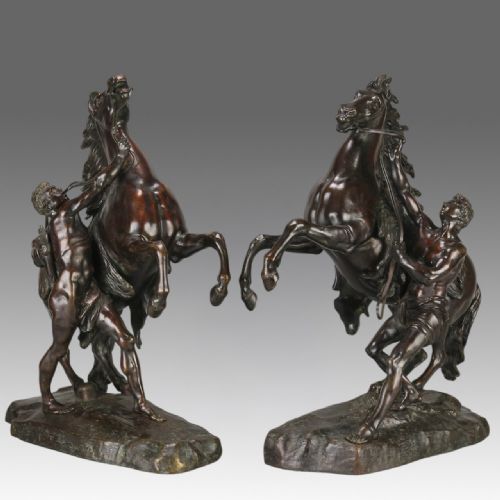
- A nineteenth-century artistic focus on the realistic depiction of animals in motion or repose. Sculptors captured bears, horses and big cats with anatomical precision.
- Patina
- The surface sheen and colour acquired by metal through age or chemical treatment. Collectors value original patination for its historical depth.
Bronze Sculpture Decor: Frequently Asked Questions
How do I clean a bronze sculpture?
Dust the surface gently with a soft, dry brush to remove particulate accumulation without disturbing the original patination.
Avoid commercial metal polishes, water and chemical solvents, which strip historical finishes and damage the underlying metal.
What is the difference between bronze and spelter?
Bronze is a durable copper and tin alloy that accepts fine chisel work and ages with a stable, rich patina.
Spelter is a softer zinc alloy that feels lighter in the hand and often shows a painted surface rather than a true oxidized metal skin.
How do I identify an art deco piece?
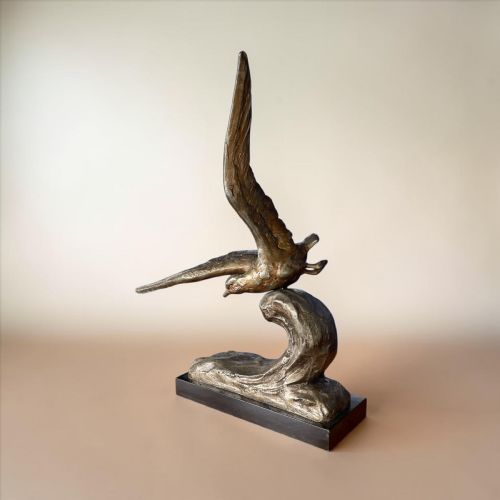
Art deco pieces display stylised geometric lines, streamlined animal forms such as albatrosses and sealions, and sleek material combinations.
They frequently pair dark patinated metal with contrasting black marble bases, reflecting design trends of the nineteen-twenties and thirties.
Where were these decorative objects placed?
Sculptural items served as functional desk accessories, mantel ornaments, inkwells, bookends and architectural furniture mounts in period interiors.
Larger statues stood on dedicated pedestals, while smaller figures anchored studies, libraries and drawing room display tables.