





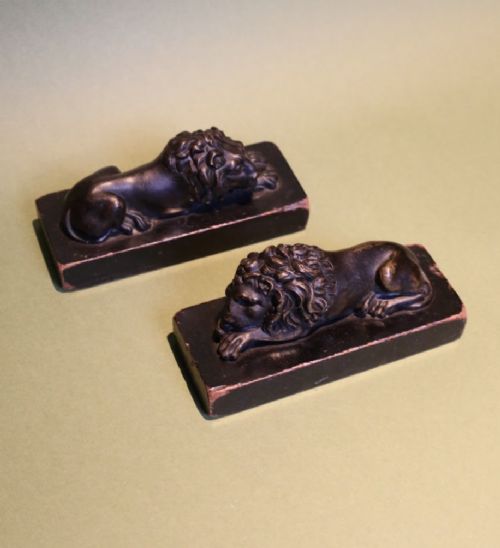


Bronze Sculpture Bookends
These bronze sculpture bookends are heavy functional ornaments cast in metal, designed to hold library shelves steady while bringing sculptural form to a room.
Bronze Sculpture Bookends
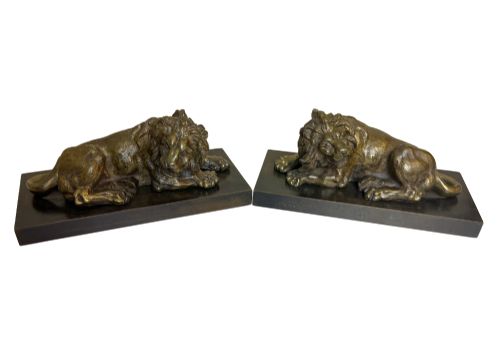
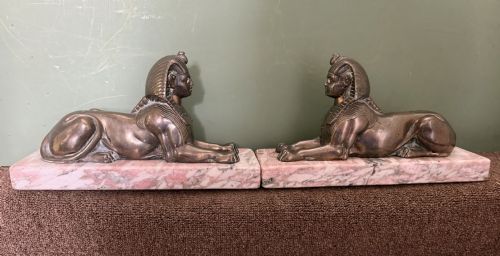
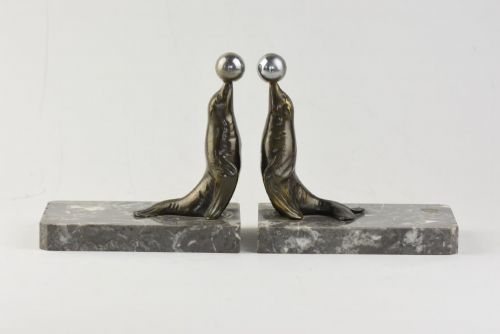
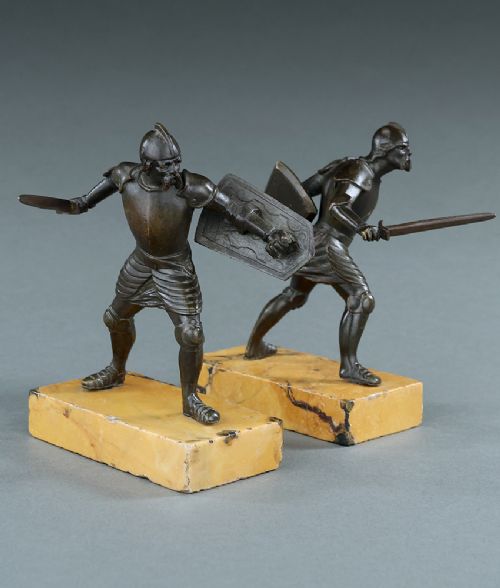
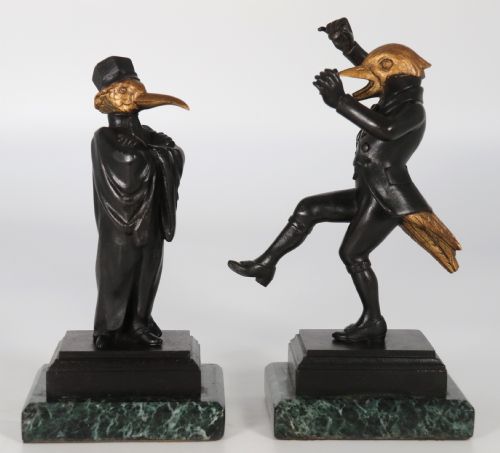
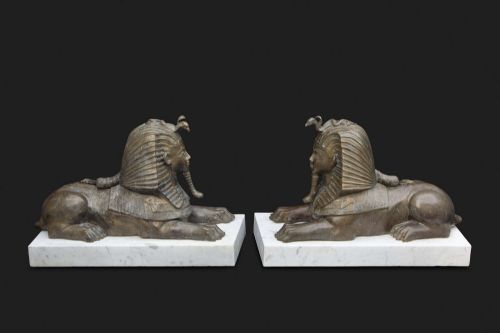
Bronze sculpture bookends combine functional shelf support with figural metalwork, appearing in forms ranging from recumbent sphinxes and classical lions to Art Deco sea lions and theatrical birds.
The pieces on this page span the nineteenth century into the 1930s, encompassing Regency, Victorian, Neoclassical, and Art Deco styles.
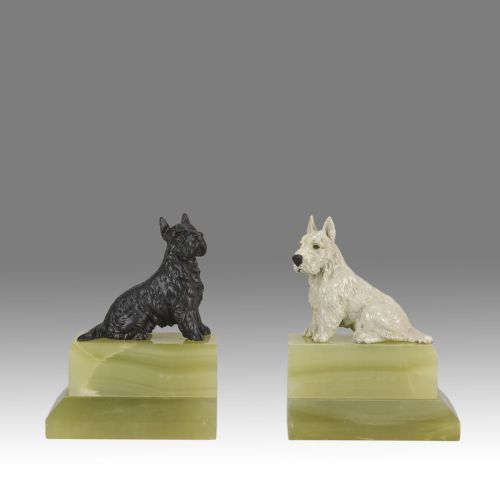
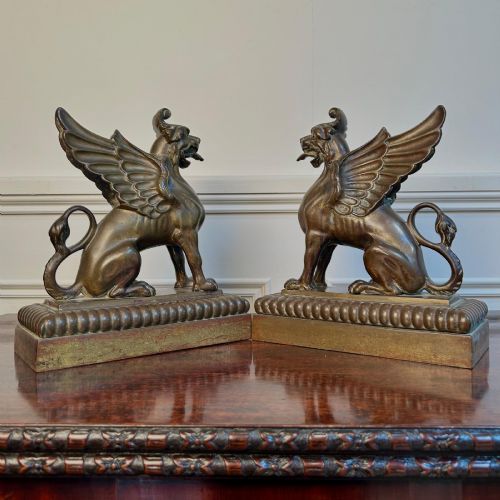
Makers utilised distinct regional idioms, from grand tour Venetian winged lions to cold-painted Vienna dog figures.
How they were made
Foundries cast these figures in bronze, gilt bronze, silvered bronze, and cold-painted bronze, frequently mounting the heavy metal sculptures onto marble, onyx, carrara marble, olive wood, or chrome plinth bases.
Techniques range from finely chased classical figures to cast spelter and metal alloys used in later twentieth-century production.
Bronze Sculpture Bookends Retail Price Guide 2026
Typical asking prices for bronze sculpture bookends among the pieces listed under this phrase on Sellingantiques today, from the lower quarter to the upper quarter. They describe what is for sale here now, not the wider market.
Materials paired with bronze include marble, onyx, chrome, olive wood, and gilt finishes.
What varies in quality
The standard of a pair rests upon the crispness of the casting detail in the metalwork and the quality of the finish, such as cold-painted colour or gilt layers.
Heavier base materials like carrara marble or carved olive wood indicate superior original production compared to lighter metal bases.
K and O·C Omin·Karl Hagenaur·Herzig
The Bronze Sculpture Bookends Glossary
- Cold-Painted Bronze
- Bronze sculpture finished with polychrome oil paint applied directly to the metal surface. This technique was widely utilised by Viennese workshops.
- Gilt Bronze
- Metal cast and treated with a gold layer or mercury gilding. It gives a bright, reflective surface finish seen on Neoclassical and Egyptian Revival pieces.
- Spelter
- A zinc-based alloy used as an economical alternative to bronze. It was cast into figures and patinated to resemble heavier metals.
- Plinth
- The solid block base upon which a sculpture sits. In these pieces, marble, onyx, and wood plinths provide the necessary weight to hold books upright.
Bronze Sculpture Bookends: Frequently Asked Questions
How heavy are these bookends?
These pieces combine solid bronze metal figures with dense stone or wood plinth bases to create the weight needed to support rows of books.
Smaller pairs suit modest shelf displays, while monumental bronze sphinxes and seated lions require deep, sturdy shelving.
Where should I place them?
Place these sculptures on heavy oak or mahogany bookshelves where their substantial weight anchors book collections securely.
They also sit comfortably on mantelpieces or desk edges as standalone decorative bronze objects.
How do I identify Art Deco examples?
Art Deco pieces from the 1920s and 1930s typically feature stylised greyhounds, sea lions, or geometric figures with streamlined silhouettes.
These later designs often utilise silvered bronze, chrome elements, or stepped marble bases rather than classical motifs.
What is Egyptian Revival style?
Egyptian Revival bookends draw on ancient motifs, most notably recumbent sphinxes and winged figures cast in bronze or gilt bronze.
This aesthetic appeared across the nineteenth century and returned in monumental sizes on carrara marble plinths during the 1920s.
How do I care for bronze?
Dust the metal surfaces gently with a soft dry cloth and avoid harsh chemical cleaners that strip the original patination.
Marble and onyx bases can be wiped with a damp cloth, taking care to keep moisture away from the metal joins.