


Bronze Scholar Figure
These bronze scholar figure pieces combine historical gravitas and fine metalwork, offering a tangible link to classical scholarship across Eastern and Western traditions.
Bronze Scholar Figure
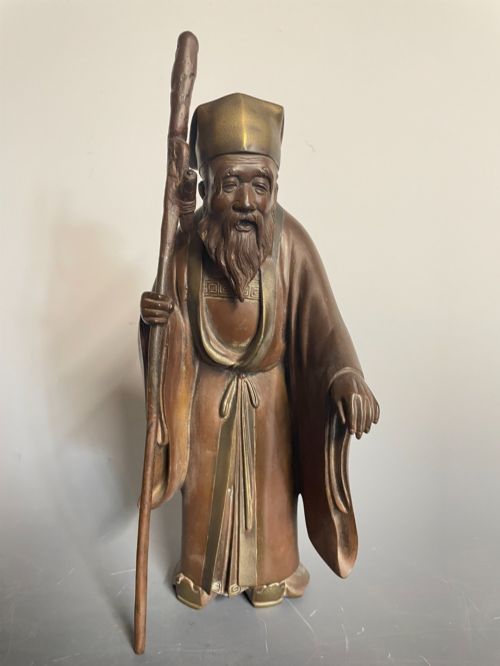
A bronze scholar figure represents learned pursuits, scholarly figures, and philosophical study across multiple eras and traditions. The selection includes Chinese works from the Ming Dynasty and the Chinese Republic period, alongside Japanese Meiji period examples and 19th-century European interpretations.
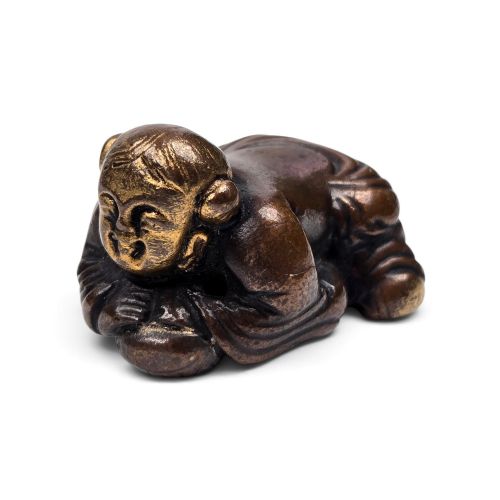
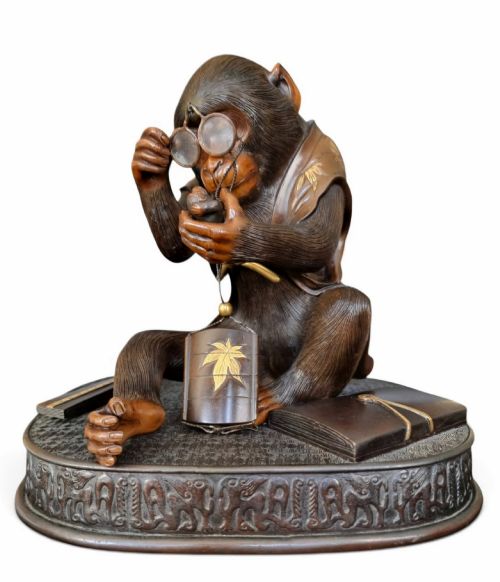
Buyers frequently encounter works depicting traditional Chinese scholars, resting boys, water buffalo riders, and anthropomorphic scholar monkeys. European pieces from the 19th century depict French poets, schoolboys carrying books, and ancient scholars alongside Neoclassical putti.
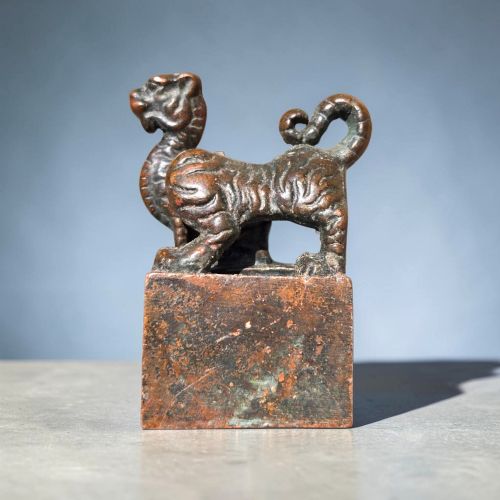
Formats range from solid-cast desk paperweights and okimono to mantel clocks, seal sets, and standalone sculptures. The pieces bridge utility and display, often serving as scholar's desk accessories or cabinet objects.
Materials and construction methods
The primary material across the inventory is bronze, accompanied by brass, copper, copper alloy, and mixed metals. Many items utilise specialised treatments such as gold leaf, selective fire-gilding, gold inlay, and cold-painted finishes.
Casting methods include solid-casting and fine casting techniques necessary for intricate details like scroll weights and nested seal sets. Surface finishes range from natural patination to applied gilt and cold-painted polychrome details.
Monkeys take up scholarship too, appearing as clever anthropomorphic scholars alongside traditional human figures in the Meiji period selections.
Assessing craftsmanship and execution
Quality rests upon the crispness of the casting and the sensitivity of the sculptural modeling. Finer examples display precise facial expressions, detailed garments, and well-executed secondary elements like books, tables, or animals.
The integrity and application of surface decoration mark the upper tiers of the range. Selectively fire-gilded surfaces, fine gold inlay, and original cold-painted pigments demonstrate superior workshop production compared to simpler patinated castings.
Franz Bergman·Leofanti Adolphe
The Bronze Scholar Figure Glossary
- Solid-cast
- Formed entirely of metal without a hollow core. This technique adds substantial weight to desk paperweights and small sculptures.
- Okimono
- A Japanese decorative object designed for display on a shelf or in a tokonoma alcove. These figures often depict animals or human subjects with narrative detail.
- Qilin
- A mythical hooved creature in Chinese culture associated with good omen and prosperity. They frequently appear in scholar's seal sets and desk ornaments.
- Cold-painted bronze
- A method where paint is applied to a bronze surface without heat-firing. This technique appears on specific 20th-century figurative works.
- Zhenzhi
- A scholarly desk accessory or paperweight used in traditional studies. These items anchor papers and inspire contemplation.
Bronze Scholar Figure: Frequently Asked Questions
What is a bronze scholar figure?
A bronze scholar figure is a sculptural representation of a learned person, philosopher, or student, produced across Asian and European traditions.
These pieces range from Ming Dynasty desk accessories to 19th-century European studies of poets and schoolboys.
How were these figures used originally?
Many of these objects functioned as paperweights, desk ornaments, or decorative sculptures within a scholar's studio or library.
Others served as cabinet pieces, clock garnitures, or contemplative objects designed to inspire intellectual pursuits.
How do I date a bronze figure?
Dating relies on stylistic markers, casting techniques, and regional characteristics associated with periods like the Ming Dynasty or Meiji period.
Inscriptions, patination styles, and secondary materials like fire-gilding or cold-painted surfaces also help determine the era of production.
Where were these bronze pieces made?
The listings include works originating from China, Japan, and European workshops during the 19th and early 20th centuries.
Each region employed distinct iconographic traditions and metallurgical techniques appropriate to its cultural context.