





Bronze Ritual Burner
These bronze ritual burner pieces are heavy metal vessels designed for burning incense, bringing centuries of East Asian and decorative heritage straight to your table.
Bronze Ritual Burner
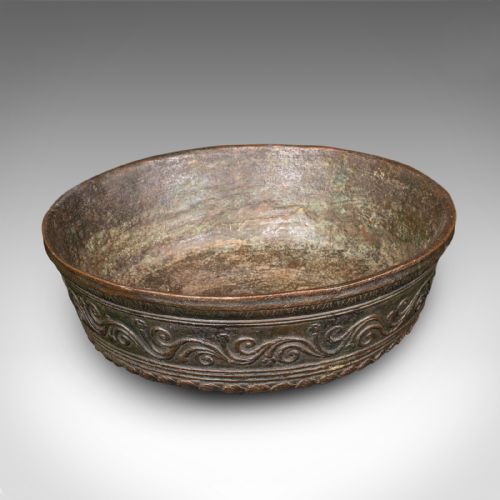
When you search for a bronze ritual burner, you encounter metal vessels spanning from the sixteenth century to the early twentieth century. The selection on this page consists predominantly of Chinese and Japanese censers, tripod vessels, and ritual forms shaped for burning incense.
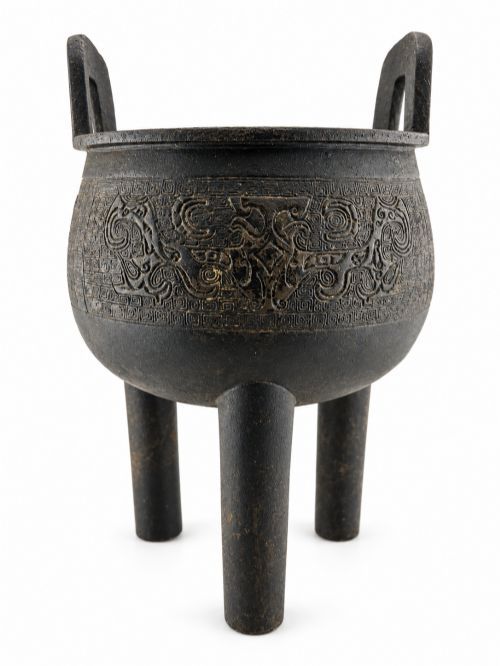
You meet pieces originating from the Ming and Qing dynasties, alongside Edo period Japanese works and nineteenth-century adaptations. Forms range from tripod censers with dragon or qilin lids to cylindrical vessels, gui bowls, and archaic ding shapes.
Many examples arrive with matched stands or covers, displaying details such as lion mask handles, taotie decoration, and Xuande marks. Alongside traditional Chinese forms, the inventory includes Indian ceremonial pieces and Sino-Islamic designs.
How They Were Made
The makers relied primarily on bronze, brass, and copper alloy, often utilising heavy casting techniques to build substantial weight into the vessels. Gold gilt applications and deliberate patination finish the metal surfaces, while certain pieces incorporate jade or hardwood components.
Casting methods produced thick walls designed to withstand heat and provide bell-ring resonance when struck. Artisans shaped intricate motifs into the bronze, creating high-relief elements like qilin finials, taotie masks, and lotus lobe contours.
Bronze Ritual Burner Retail Price Guide 2026
Typical asking prices for bronze ritual burner among the pieces listed under this phrase on Sellingantiques today, from the lower quarter to the upper quarter. They describe what is for sale here now, not the wider market.
Listings include bronze, brass, copper alloy, jade, and hardwood across periods spanning the sixteenth century to the Victorian era.
What Varies in Quality
Quality rests in the precision of the casting and the thickness of the metal, where heavier vessels demonstrate superior substance and resonance. Finer examples display crisp detail in chased or cast relief, such as distinct taotie masks and well-defined dragon or qilin elements.
The sophistication of the surface finish distinguishes standard utilitarian pieces from high-status works, particularly in the depth of the patina and the application of gilt-splash effects. Complete sets featuring original covers and matching stands elevate the integrity of the piece.
The Bronze Ritual Burner Glossary
- Censer
- A vessel configured specifically for burning incense. These containers often include pierced covers to allow fragrant smoke to drift out.
- Tripod
- A vessel supported by three legs. This configuration appears frequently in archaic and later East Asian bronze censers.
- Ding
- An ancient Chinese ritual vessel standing on three or four legs with vertical handles. Later bronze burners frequently emulate this specific archaic form.
- Qilin
- A mythical hooved chimerical creature in East Asian cultures. Sculpted figures of this beast frequently serve as finials on censer covers.
Bronze Ritual Burner: Frequently Asked Questions
What is a bronze ritual burner used for?
These vessels served primarily for burning incense during ceremonial, domestic, or scholarly activities in East Asian traditions.
Over centuries, scholars and collectors also kept them on desks or altars simply to appreciate their form, weight, and patination.
How do I identify a Ming or Qing dynasty censer?
You look at the casting style, the handling of archaic motifs like taotie, and the presence of reign marks such as a Xuande seal.
Earlier Ming examples often display heavy casting with deep patination, while late Qing and twentieth-century pieces adopt different surface treatments and varied finial designs.
What do tripod legs indicate on these burners?
Tripod legs connect the vessel to ancient Chinese ritual bronzes, mimicking the proportions of early sacrificial vessels.
This three-legged stance provides structural stability on tables and raises the bowl to give presence to the form.
Are these burners suitable for everyday interior display?
Their substantial weight and decorative patinated surfaces make them striking focal points on desks, shelves, or sideboards.
You can place them in rooms ranging from traditional studies to modern spaces as sculptural objects or functional incense holders.