




Bronze Religious Art
Bronze religious art brings sacred figures into domestic spaces through cast metal, carrying centuries of ritual devotion across multiple traditions.
Bronze Religious Art
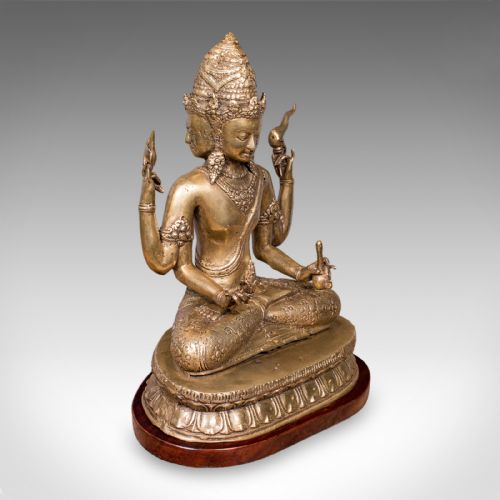
Bronze religious art encompasses statues, icons, and crucifixes spanning from the sixteenth century to the mid-twentieth century. Pieces found here reflect diverse cultural traditions including Balinese Hinduism, Southeast Asian Buddhism, Russian Orthodoxy, and European Christianity. The selection ranges from domestic devotional objects to large altar pieces cast in metal.
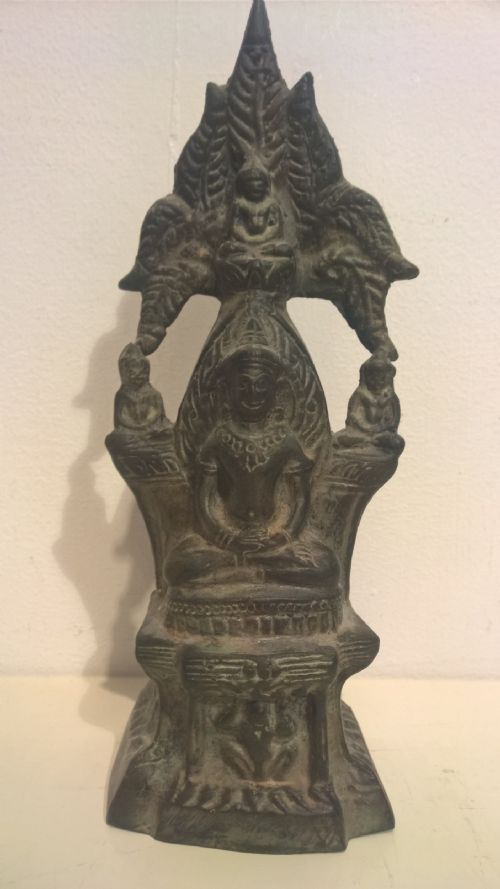
Buyers most frequently encounter cast bronze figures alongside wooden panels and mixed media works. These include depictions of Buddha in specific mudras, Christian saints, and devotional plaques. Each item serves as both a historical artefact and a focal point for spiritual practice.
How they were made
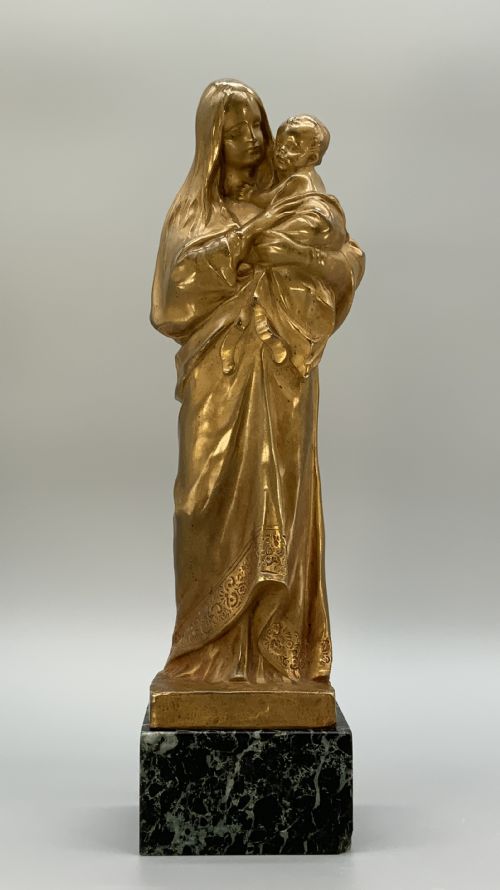
Makers utilised traditional casting techniques to shape molten bronze into intricate religious figures and plaques. Many examples show applied surface treatments such as gilding or patination to highlight facial expressions and garments. Some pieces incorporate mixed materials, combining cast metal with carved wood, marble, or tempera.
Asian examples often employ lost-wax casting methods common to Southeast Asian workshops. European works demonstrate refined foundry techniques, sometimes attributing specific pieces to named sculptors or regional schools.
Bronze Religious Art Retail Price Guide 2026
Typical asking prices for bronze religious art among the pieces listed under this phrase on Sellingantiques today, from the lower quarter to the upper quarter. They describe what is for sale here now, not the wider market.
Listings feature items spanning four centuries, utilising materials like bronze, wood, marble, and tempera across eight distinct stylistic traditions.
What varies in quality
The sophistication of the modeling separates masterworks from simpler devotional items. Pieces executed by established artists or recognised regional workshops display superior anatomical proportion and spiritual presence.
Hans Müller·George Minne·Volga Masters·Gian Federigo Bonzagna
The Bronze Religious Art Glossary
- Bhumisparsha mudra
- The earth-touching gesture depicted in Buddhist art, where the right hand reaches down to touch the ground. This posture symbolizes the Buddha calling the earth to witness his enlightenment.
- Gilt bronze
- Metal cast objects coated with a thin layer of gold leaf or gold amalgam. This technique adds a luminous finish to sacred figures.
- Tempera
- A permanent, fast-drying painting medium consisting of coloured pigments mixed with a water-soluble binder, commonly egg yolk. It is frequently seen on wooden icon panels.
- Patinated bronze
- Metal that has developed a surface film through oxidation or chemical treatment. This process deepens the tone and protects the underlying material.
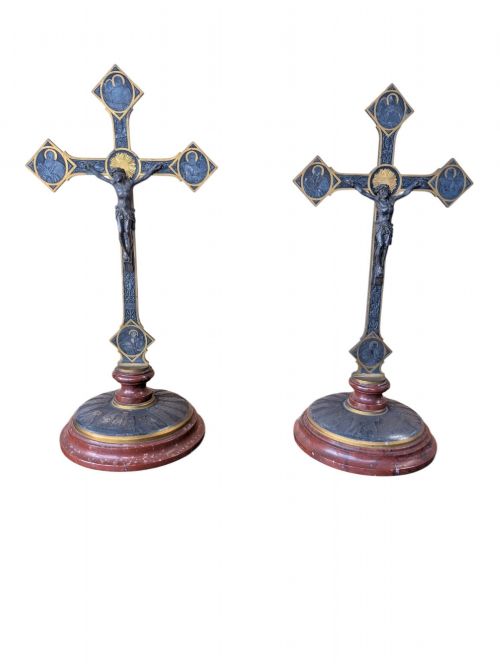
- Altar crucifix
- A cross or crucifix designed specifically to stand upon a church altar or domestic devotional table. These pieces often feature detailed corpus figures.
Bronze Religious Art: Frequently Asked Questions
What is bronze religious art?
It is a category of devotional objects cast primarily in bronze, depicting sacred figures, saints, and deities from various global traditions.
These pieces range from portable icons and domestic statues to altar pieces created for places of worship.
How do I care for bronze pieces?
Bronze requires minimal maintenance, needing only occasional dusting with a soft, dry cloth to prevent grime accumulation.
Avoid using harsh cleaning agents or polishes that can strip away the natural or applied patina.
How are different traditions distinguished?
Stylistic markers such as posture, hand gestures, and traditional clothing identify the cultural and religious origin of each piece.
For instance, Buddhist figures often display specific mudras, while Christian works utilise iconography like crucifixes and halos.
Where were these pieces displayed?
Depending on their scale, these objects stood on domestic altars, inside temples, or within churches for personal and communal prayer.
Smaller plaques and icons were frequently carried during travel or mounted onto wooden support panels for wall display.