



Bronze Reading Figure
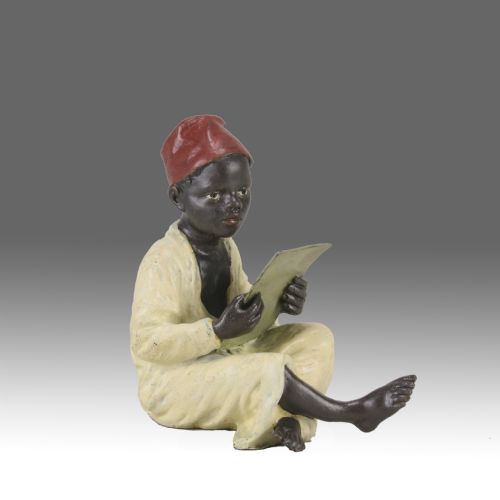
A bronze reading figure captures the quiet absorption of a person lost in a book, rendered in metal to bring scholarly calm into a room.
Bronze Reading Figure
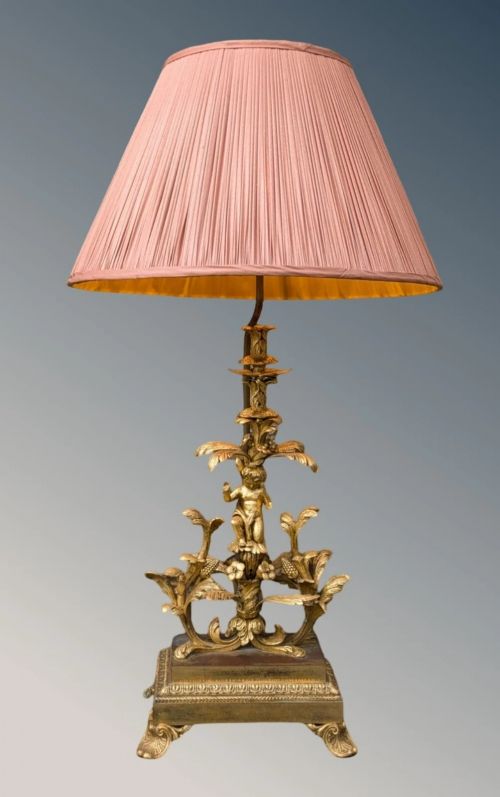
A bronze reading figure brings a classic literary motif into your interior, often taking the form of table lamps, mantel clocks, bookends, or standalone sculptures. These pieces capture quiet moments of study and reflection, turning functional objects into works of art.
The selections available span several distinct eras, drawing on styles such as Art Deco, Art Nouveau, French Empire, Neoclassical, and the 19th century. You will encounter works utilising materials like gilt bronze, ormolu, marble, enamel, and cold-painted bronze alongside traditional cast bronze.
Makers and artists range from established foundries to named sculptors like Franz Bergman, with works after Moreau also appearing. Forms vary from figural lamps and putti to dedicated bookends and decorative mantel clocks featuring scholarly or mythological subjects.
How they were made
The creation of these pieces relies on traditional metal casting techniques, utilising bronze, brass, spelter, and ormolu to achieve durable and detailed forms. Artisans often combined cast metal with secondary materials such as marble bases, alabaster, opaline glass, silk, and paint.
Surface finish is central to the manufacture, with cold-painted details adding vibrant colour to metal figures while gilt bronze and ormolu provide a rich, polished gleam. Enamel work and delicate glass shades complete the construction of functional items like lamps and clocks.
Bronze Reading Figure Retail Price Guide 2026
Typical asking prices for bronze reading figure among the pieces listed under this phrase on Sellingantiques today, from the lower quarter to the upper quarter. They describe what is for sale here now, not the wider market.
Listings feature items spanning the Georgian period, the 19th century, and the 1920s to 1930s, constructed from bronze, brass, ormolu, and marble.
What varies in quality
The distinction between standard and exceptional pieces lies in the crispness of the casting and the sensitivity of the finishing work. Finer examples display sharp facial expressions, carefully articulated hands, and intricate clothing folds that reveal the sculptor's original hand.
Material selection also dictates the hierarchy of quality, moving from simpler spelter frames to weighty cast bronze, heavy marble bases, and genuine gilt or ormolu finishes. The integration of artistic sculpture with functional elements like lamp fittings or clock movements further separates basic items from masterworks.
Franz Bergman·After Moreau
The Bronze Reading Figure Glossary
- Cold-Painted Bronze
- A technique where bronze sculptures are painted with warm naturalistic colours after casting, a method famously employed by Austrian workshops. This finish requires careful preservation to prevent flaking over time.
- Ormolu
- Gilt bronze ornamentation applied to furniture, clocks, and decorative objects during the 18th and 19th centuries. The process involves treating finely chased brass with a mercury and gold amalgam before heating.
- Spelter
- An alloy of zinc and lead often used as a cheaper alternative to bronze in figural casting. It is lighter than bronze and typically requires a bronze-finish paint to mimic more costly metals.
- Putti
- Representations of chubby male infants, frequently winged, appearing in classical and revival art as decorative motifs. They often accompany figural groups, lamps, and clock surrounds in 19th-century design.
- Alabaster
- A fine-grained, translucent stone used for carving decorative objects, lamp bases, and bookends. Its natural veining ensures that every carved piece possesses a distinct pattern.
Bronze Reading Figure: Frequently Asked Questions
What is a bronze reading figure?
A bronze reading figure is a sculptural object or functional piece, such as a lamp or bookend, depicting a person engaged with a book. These items combine artistic metalwork with a thematic focus on study and literature.
They serve both decorative and practical purposes in a room, often anchoring a library desk, mantelpiece, or reading corner with classical dignity.
How do I identify Art Deco styles?
Art Deco pieces from the 1920s and 1930s often feature streamlined geometric forms, clean lines, and contrasting materials like alabaster paired with metal. These designs move away from ornate 19th-century revival styles toward modern elegance.
Look for simplified silhouettes and industrial influences that reflect the aesthetic shifts of the interwar period.
Where should I place a figural lamp?
Figural lamps suit spaces where both soft lighting and sculptural interest are desired, such as a desk, side table, or bookcase. Their detailed cast metal forms provide visual weight during daylight hours.
Ensure the piece is positioned away from high traffic areas to protect delicate elements like cold-painted surfaces or glass shades.