

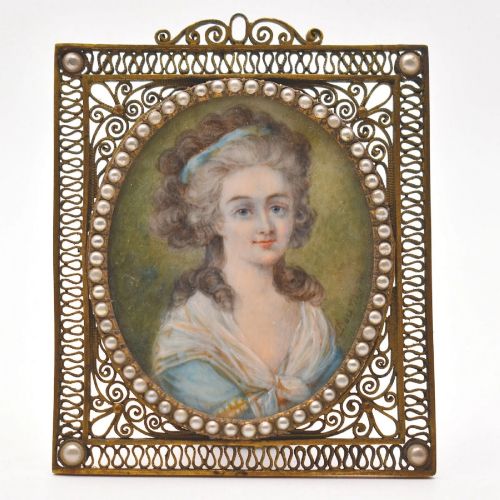


Bronze Picture Frame
A bronze picture frame brings rich texture and enduring metalwork to a desk or wall, holding portraits and miniatures with classic weight.
Bronze Picture Frame
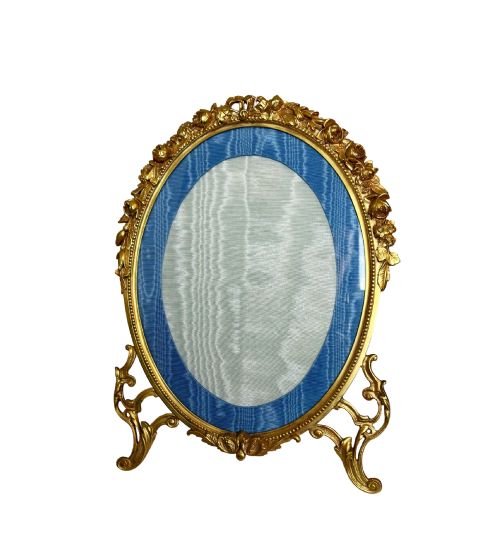
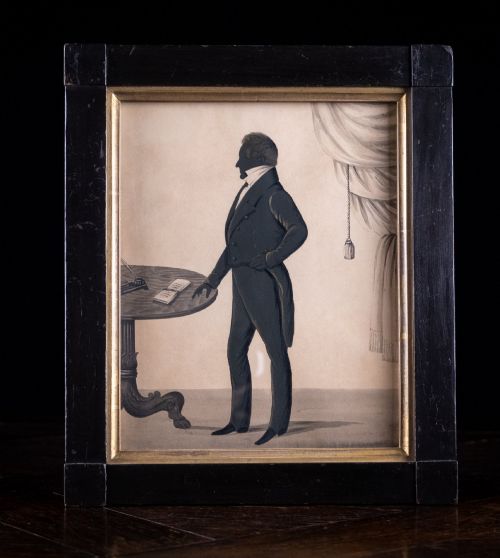
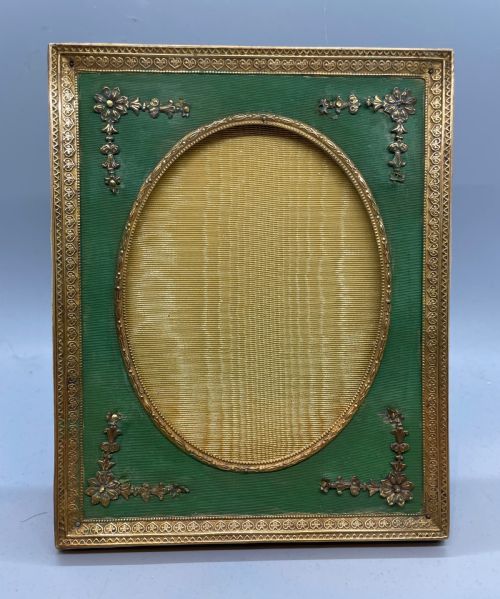
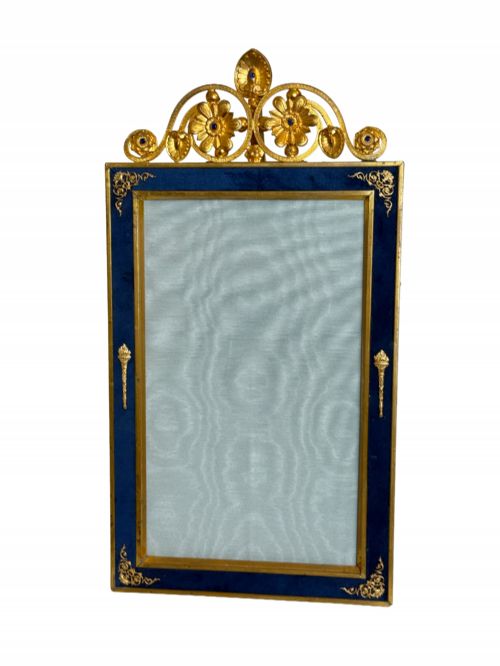
When you search for a bronze picture frame, you encounter metal display housings designed for photographs, silhouettes, and miniature paintings. The pieces appearing here span the nineteenth and early twentieth centuries, drawing heavily on French stylistic revivals and Victorian production.
The most common formats on this page are table-standing and hanging apertures created in gilt bronze, ormolu, and brass. Many incorporate decorative motifs such as cherubs, Napoleonic bees, and enamel work alongside glass viewing panels.
Beyond standard picture housings, the selection includes related domestic objects like hand mirrors, wall reliefs, and vanity sets sharing the same metalworking traditions. These items served both functional display purposes and decorative interior display during the Victorian and Edwardian eras.
What varies in quality
Quality in these metal frames rests upon the crispness of the casting and the depth of the subsequent chasing. Superior examples display sharp relief work in motifs such as cherubs and bees, whereas lesser pieces exhibit softer, shallower surface details.
The integrity of the surface finish and the complexity of auxiliary materials also define the grade of a piece. Frames retaining intact fire gilding, vibrant champleve enamel, or original glass and silk linings stand apart from those with worn surfaces or later replacements.
Listings feature items spanning the 18th century through the 1960s, with a strong concentration of French gilt bronze production from around 1900.
Boin Taburet·G. Betjemann·Erich Mercker
The Bronze Picture Frame Glossary
- Ormolu
- A gilded bronze technique utilising finely ground gold mercury amalgams. It provides a bright golden surface layer on nineteenth-century decorative metalwork.
- Champleve
- An enamelling technique where troughs are gouged into metal and filled with vitreous paste before firing. This creates coloured decorative patterns across the frame surface.
- Paste stones
- Faceted glass gems set into metal mounts to imitate precious jewels. They frequently adorn French table frames from the late nineteenth century.
- Silhouette
- A monochrome portrait cut from paper or painted onto a ground, popular during the Regency and Victorian periods. These profiles are frequently housed behind glass in small metal frames.
- Miniature painting
- A highly detailed small-scale portrait executed on ivory, vellum, or card. They are often found framed in ornate bronze or gilt housings.
Bronze Picture Frame: Frequently Asked Questions
How do I date an antique bronze frame?
Dating relies on stylistic clues, mounting methods, and the type of backboard used. Pieces from the Regency era differ noticeably in cast profile from Edwardian or Art Deco designs.
Examining the fasteners, hinge types, and glass bevelling also helps narrow the production window between the eighteenth and twentieth centuries.
What is the difference between ormolu and gilt bronze?
Ormolu specifically describes a high-status mercury gilding process applied to bronze during the eighteenth and nineteenth centuries. The term gilt bronze is broader and covers any bronze object with a gold-coloured surface application.
Both materials yield a rich golden tone, but true ormolu often displays a deeper, more uniform metallic lustre.
How were these frames displayed originally?
Most smaller pieces were designed with folding back struts to stand on writing desks, mantelpieces, or dressing tables. Others featured suspension loops for hanging directly on panelled or papered walls.
Dual and triple aperture versions allowed families to display multiple portrait photographs together in a single hinged unit.
Can I replace the glass in an old frame?
Replacing glass is possible, though original hand-blown or early flat glass with minor imperfections is preferred by collectors. Modern replacement glass should be cut carefully to fit the exact rebate without straining the antique metal tabs.
Care must be taken with hinged bezels and delicate enamel or paste stone settings during any glass maintenance.