



Bronze Mantle Statues
These bronze mantle statues and figural pieces bring architectural weight and sculptural character to a room.
Bronze Mantle Statues
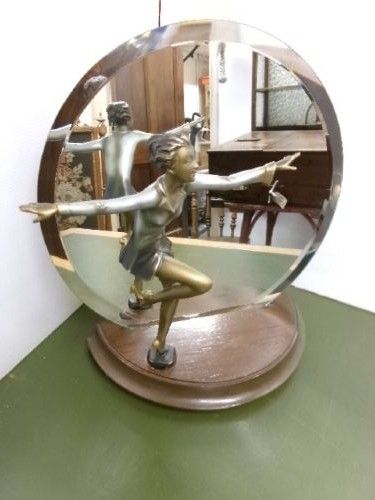
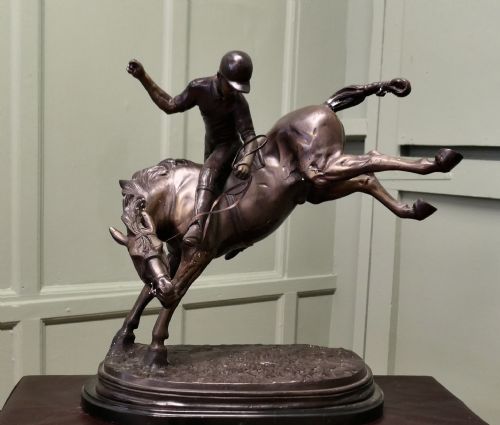
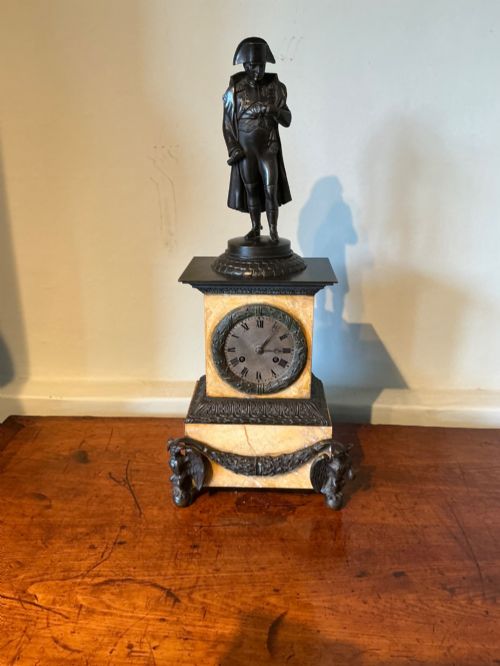
Bronze mantle statues encompass figurative sculptures, clock garnitures, and decorative groupings designed to sit upon a fireplace shelf or sideboard. When searching for bronze mantle statues, collectors encounter works ranging from nineteenth-century classical subjects to modernist twentieth-century designs.
The pieces on this page heavily feature French foundry work, Victorian mantle clocks, and Art Deco figural groups. Figures of animals, literary characters, and allegorical persons frequently anchor these sculptural works.
Materials extend beyond pure bronze into spelter, marble bases, onyx plinths, and glass elements. Many items function simultaneously as sculptural art and utilitarian timepieces or lamps.
How they were made
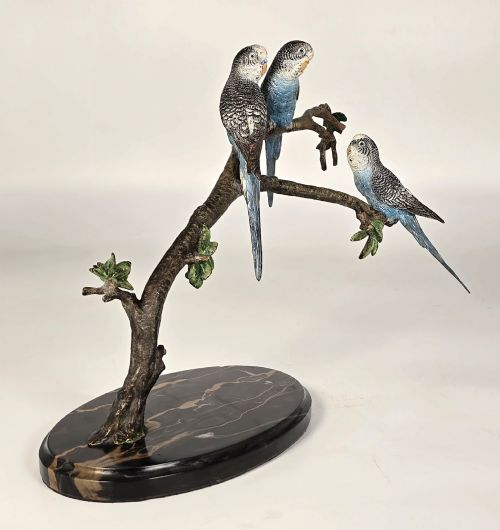
Bases of marble, onyx, and slate frequently anchor the metal figures, providing necessary weight and stability for display on mantels. Cold painting and gilding were also applied to enhance the visual texture of plumage, garments, and natural settings.
Bronze Mantle Statues Retail Price Guide 2026
Typical asking prices for bronze mantle statues among the pieces listed under this phrase on Sellingantiques today, from the lower quarter to the upper quarter. They describe what is for sale here now, not the wider market.
Common structural materials across these decorative objects include heavy marble, polished onyx, cast spelter, and traditional bronze.
What varies in quality
The crispness of the chasing and the fidelity of the cast distinguish superior sculptures from ordinary production pieces. Finer works retain sharp detail in hair, fingers, and textures, whereas lesser castings appear soft or muddy in the transitions.
The integration of the metal figure to its stone base indicates overall workshop standard. Quality pieces employ dense marbles or onyx fitted securely without visible gaps or inferior hardware.
Jean Jacques Pradier·Victor Paillard·Charles Anfrie·Henri Ple·Ugo Cipriani
The Bronze Mantle Statues Glossary
- Spelter
- A zinc alloy commonly utilised as a less expensive alternative to bronze during the nineteenth and twentieth centuries. It often received a bronze-like finish to emulate heavier metal.
- Gilt bronze
- Metal that has been coated with a thin layer of gold or gold paint. This technique protected the underlying bronze while adding a luminous finish.
- Cold painted
- A method where paint is applied to a bronze or metal sculpture after casting without being fired in a kiln. This finish is susceptible to chipping if handled roughly.
- Garniture
- A set of ornamental objects designed to match, typically consisting of a mantle clock flanked by matching candelabra or urns. These sets dominated Victorian and Edwardian interiors.
Bronze Mantle Statues: Frequently Asked Questions
How do I clean my bronze statue?
Dust the surface regularly with a soft, dry brush to prevent particle buildup. Avoid using commercial metal polishes, which can strip away patinas and historic finishes.
Apply a very thin coat of microcrystalline wax if the metal requires protection from moisture. Buff the wax gently with a clean cloth after application.
Are these figures solid bronze?
Many sculptures are cast from solid bronze, but a significant portion of domestic decorative figures are made from spelter. Spelter is a lighter zinc alloy that mimics the appearance of bronze.
Examining the underside or areas of wear usually reveals the underlying metal colour. Bronze retains a warm reddish-brown tone beneath, while spelter shows a greyish metal.
Why are marble bases used?
Marble and onyx bases provide essential weight to anchor top-heavy metal sculptures. They also elevate the artwork visually from the surface of the mantle.
Stylistically, stone plinths became particularly popular during the Art Deco period. They offered geometric contrast to the organic curves of the metal figures.
How do I date a mantle clock?
Examine the movement stamps, dial typography, and case style for clues regarding manufacturing eras. Victorian clocks often feature ornate architectural brass cases, while later pieces adopt clean geometric lines.
Signatures or foundry marks stamped directly onto the bronze case provide definitive attribution. Comparing the subject matter to known artistic movements also narrows the timeline.