

Bronze Mantel Figures
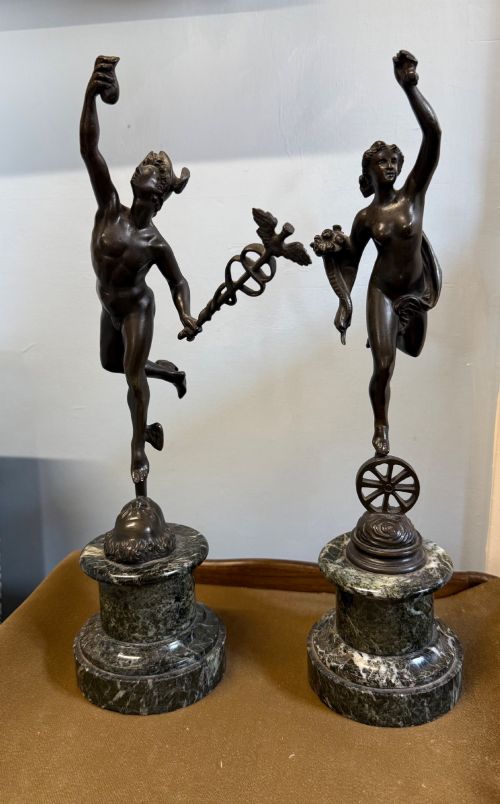
Bronze mantel figures bring neoclassical heroes, animalier subjects and Art Deco dancers directly onto the shelf, combining architectural presence with sculptural detail.
Bronze Mantel Figures
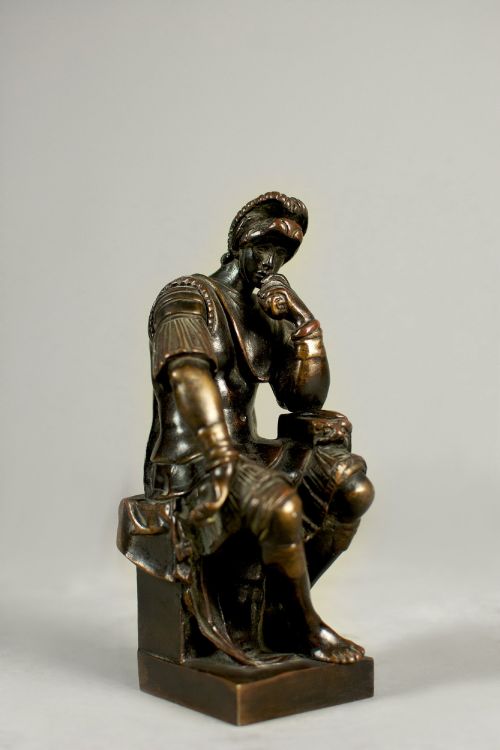
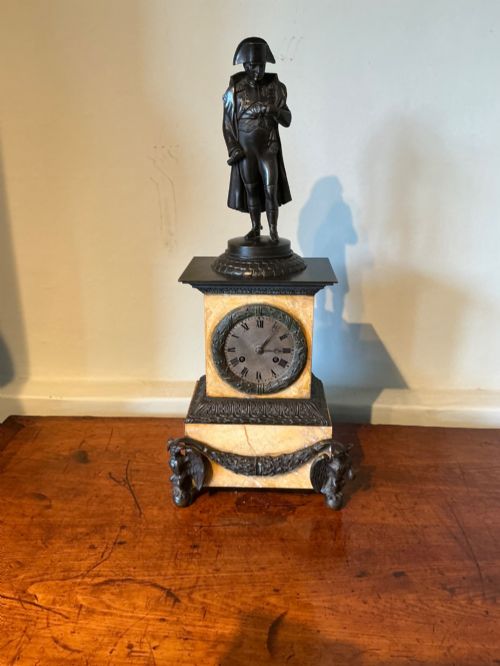
When you search for bronze mantel figures, you encounter a diverse range of decorative works designed to sit atop fireplaces, consoles and sideboards. These pieces span from nineteenth-century Grand Tour reductions and French Empire clock garnitures to sleek Art Deco dancers from the nineteen-thirties.
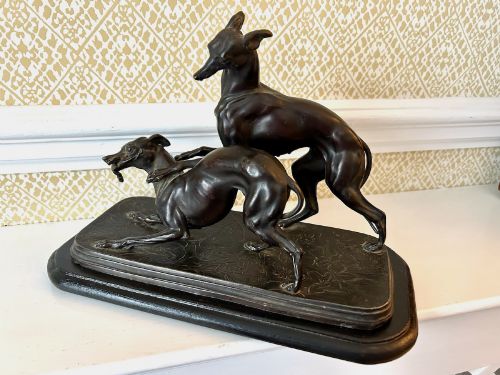
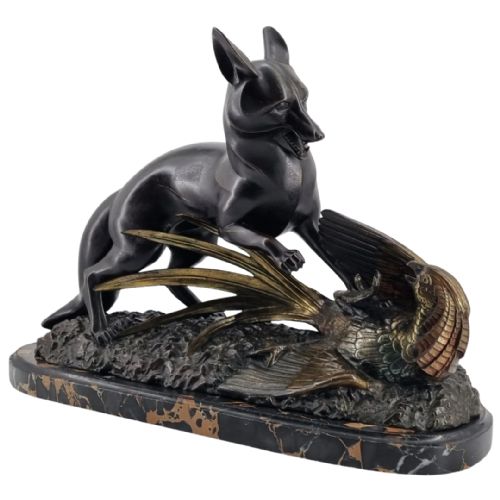
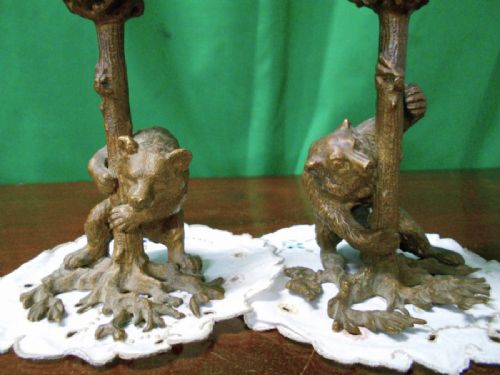
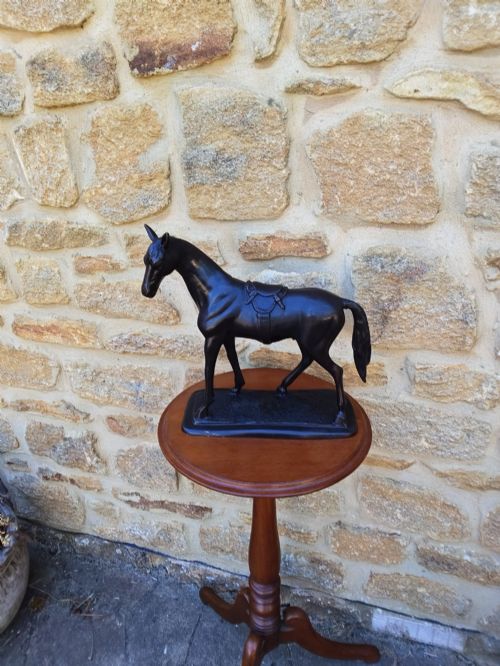
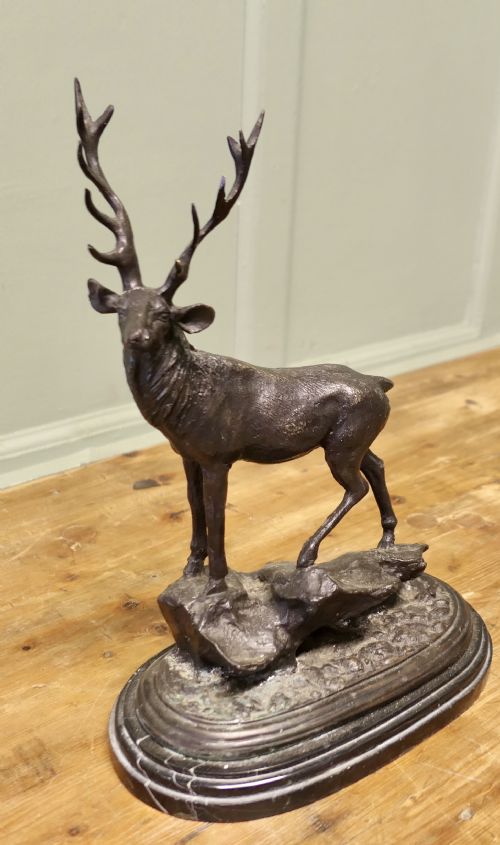
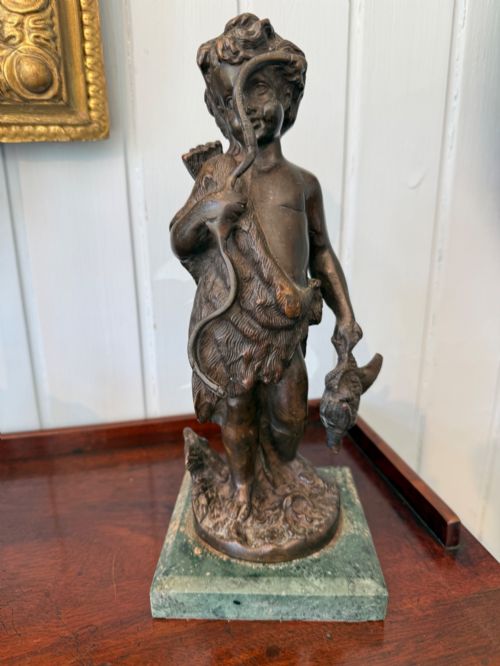
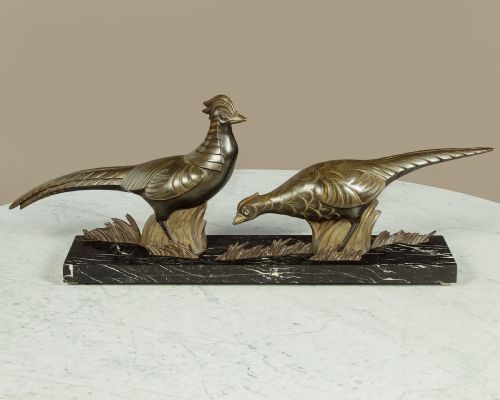
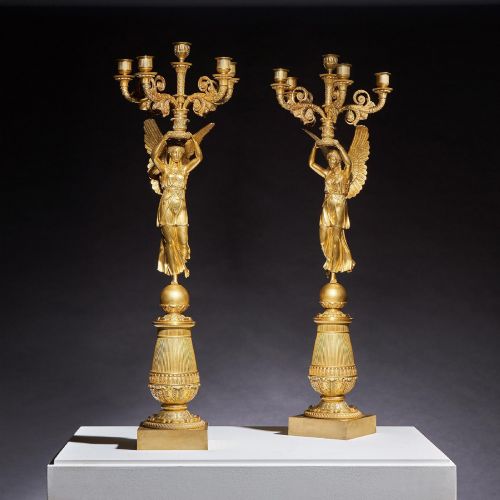
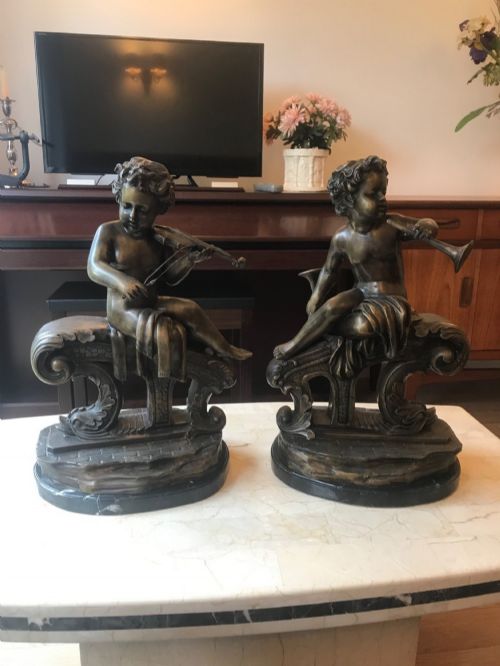
The selection here encompasses standalone sculptures, figural clock sets, candelabras and candlesticks. Makers utilised varied subjects including mythological figures, classical soldiers, cherubs and wildlife such as whippets, bears and golden pheasants.
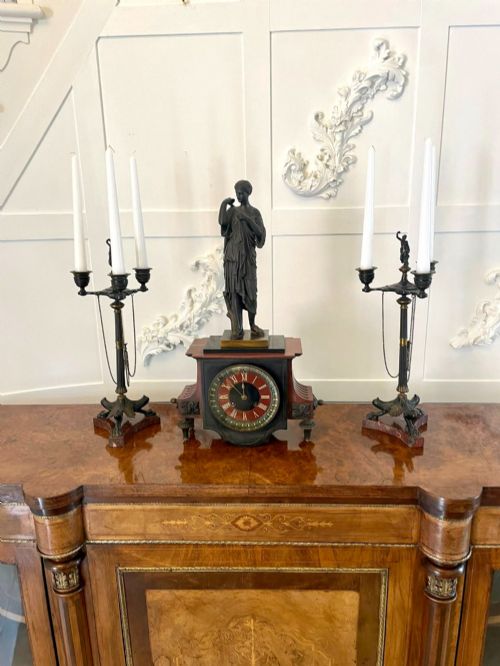
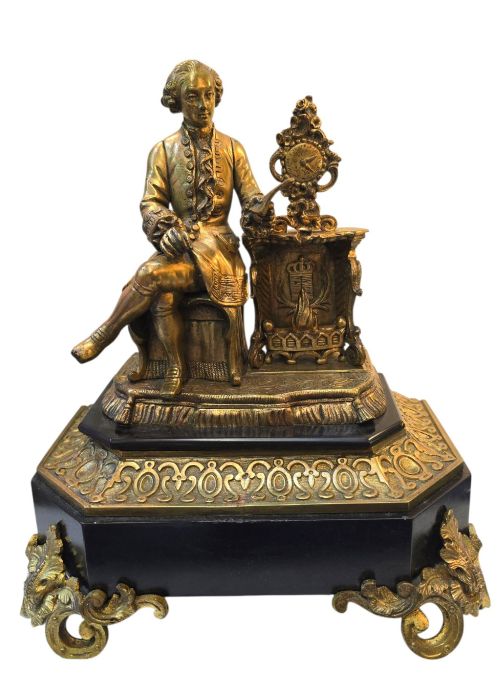
Originating predominantly from French workshops, alongside English and Japanese interpretations, these objects combine utility with display. Many function as architectural clock cases or flanking ornaments, while others stand purely as cabinet bronzes mounted on marble plinths.
Materials and Construction
Foundries cast these figures in traditional bronze, patinated bronze, gilt bronze and ormolu, frequently pairing the metalwork with contrasting bases of white or black marble, onyx and enamel. Some iterations utilise spelter as a more accessible alternative to heavier metal casting.
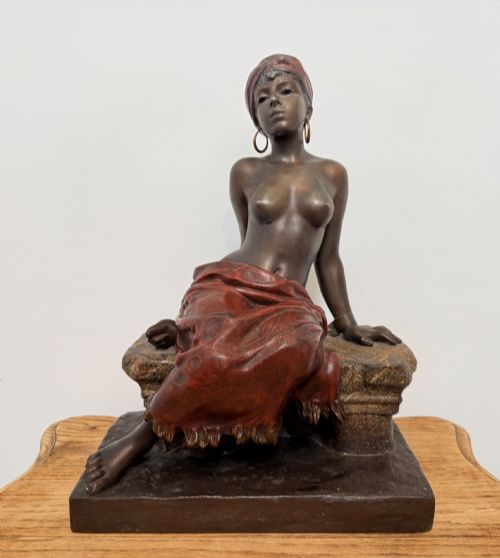
Chasing and finishing determine the surface texture, distinguishing cold-painted details and deeply patinated surfaces from bright mercury gilding. Master craftsmen mounted metal figures onto stone plinths using threaded pins and secured clock movements within architectural bronze housings.
Materials documented across the collection include cast bronze, carved marble, gilt ormolu, enamel, onyx and spelter.
Distinguishing Quality
The distinction between standard production and top-tier execution lies in the crispness of the chasing and the depth of the patina. Superior examples retain sharp facial expressions, articulated drapery and fine hand-chiselling on feathers or fur that lesser casts lose during mass replication.
Material integration also separates grades of manufacture, where solid marble bases fitted with heavy, fire-gilt ormolu and signed movements demonstrate superior workshop standards compared to lighter spelter figures mounted on simple timber or composite plinths.
Pierre-Augustin Caron de Beaumarchais·Pierre Philippe Thomire·Émile Louis Picault·Emile Carlier·Josef Lorenzl·Demetre Chiparus
The Bronze Mantel Figures Glossary
- Ormolu
- Gilded bronze, typically achieved through an amalgam of mercury and gold applied to a cast bronze base during the eighteenth and nineteenth centuries.
- Spelter
- A zinc alloy used as a cost-effective substitute for bronze, often painted or electroplated to simulate genuine bronze patination.
- Animalier
- A nineteenth-century sculptural style focusing on realistic depictions of animals, particularly predators, horses and game birds in dynamic poses.
- Garniture
- A set of matching decorative ornaments for a mantelpiece, usually comprising a central clock flanked by matching candelabras, vases or urns.
- Grand Tour
- Cultural travel undertaken by nineteenth-century Europeans collecting small-scale bronze replicas of classical antiquities and Renaissance masterpieces as souvenirs.
Bronze Mantel Figures: Frequently Asked Questions
How do I clean bronze mantel figures safely?
Dust surfaces gently using a soft, dry brush to prevent abrasive particles from scratching the delicate patination or gilding.
Avoid chemical polishes, water and abrasive cloths, as these strip historic patinas and permanently damage the finish.
Are spelter figures considered authentic bronze?
Spelter is a zinc-based alloy rather than copper and tin bronze, making it significantly lighter and more brittle than true bronze.
Inspect the underside or areas of wear to check for the silvery-grey base metal beneath the surface paint.
How do I date a mantel clock garniture?
Examine the style of the numerals, the casting technique of the bronze mounts and any maker signatures stamped on the movement backplate.
stylistic indicators like Neoclassical swags point to the nineteenth century, while geometric motifs suggest nineteen-thirty production.
Can I display these figures near direct heat?
Mantelpieces often experience temperature fluctuations from active fireplaces, which can dry out marble bases and stress internal clock springs.
Keep figures slightly away from direct heat sources to preserve the integrity of stone plinths and applied patinas.