



Bronze Lion Head
A bronze lion head brings instant classical severity to a room, cast in solid metal to serve as a handle, fountain spout or door knocker.
Bronze Lion Head
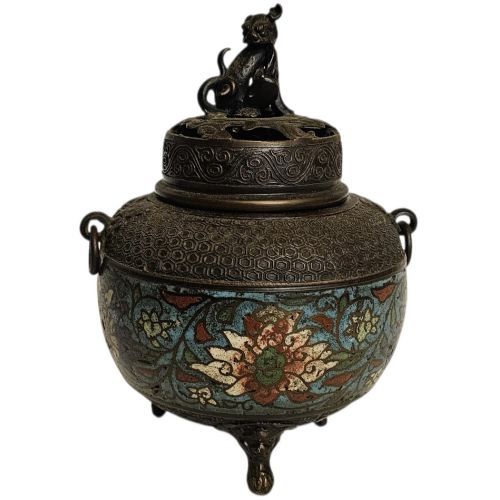
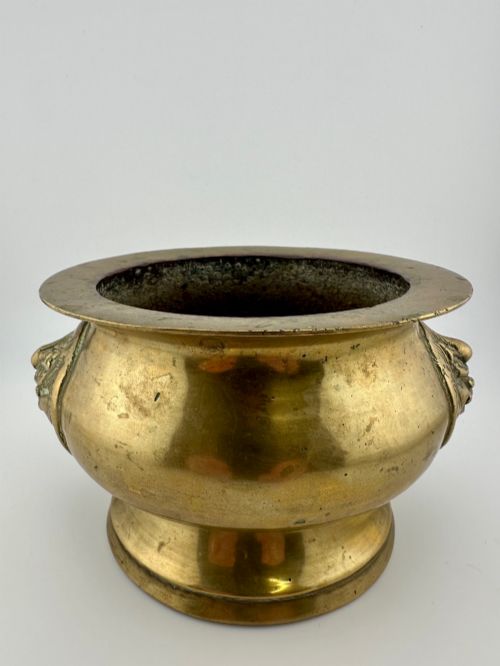
A bronze lion head represents a sculptural motif rooted in classical antiquity, appearing on this page across objects such as door hardware, incense burners, and architectural fountain elements. Buyers seeking this motif encounter items ranging from nineteenth-century Grand Tour casts to French Louis XV style fireplace fenders and Chinese bronze censers with mask handles.
The versions most commonly met on this page span the nineteenth century, including specific dates from eighteen sixty to nineteen ten, alongside Regency and Victorian interpretations. These pieces function variously as utilitarian items like door knockers and cabinet furniture, or as decorative adornments on clocks, urns, and jardinieres.
Stylistic influences vary widely across the inventory, shifting between European Neoclassical, French Baroque, and traditional Chinese forms including Foo Dog motifs. Each piece adapts the fierce visage of the lion to suit the functional demands of different decorative arts traditions.
How they were made
Metalworking techniques rely heavily on casting in bronze and brass, often finished with gilt bronze or ormolu to provide a brilliant metallic lustre. Artisans shaped these metals into complex sculptural reliefs for door knockers, furniture mounts, and vessel handles.
Secondary materials support the central metalwork, including marble bases, alabaster urn bodies, bronzed wood frames, and woven fabric upholstery on related furniture pieces. These contrasting textures highlight the central bronze lion head by pairing cold metal with soft textiles or carved stone.
Bronze Lion Head Retail Price Guide 2026
Typical asking prices for bronze lion head among the pieces listed under this phrase on Sellingantiques today, from the lower quarter to the upper quarter. They describe what is for sale here now, not the wider market.
Current listings incorporate items from the nineteenth century, including specific dates such as eighteen sixty, eighteen seventy, eighteen ninety, and nineteen ten.
What varies in quality
The integration of the lion head into its parent object demonstrates the maker's skill, whether mounted upon a French drum head clock, an ormolu jardinier, or a library armchair. Superior execution ensures the bronze or brass mount sits flush and harmonises with the surrounding materials.
The Bronze Lion Head Glossary
- Ormolu
- Gilded bronze produced by applying a mercury and gold amalgam to a bronze base and heating it. This technique creates a durable golden surface frequently utilised on nineteenth-century French decorative objects.
- Neoclassical
- A style inspired by the art and architecture of classical Greece and Rome. It emphasises symmetry, straight lines, and classical motifs such as lion masks.
- Grand Tour
- A nineteenth-century cultural journey undertaken by wealthy Europeans to collect art and antiquities. Souvenirs from these travels often included small bronze sculptures and architectural elements.
- Jardiniere
- An ornamental pot or stand designed to hold plants or flowers. They often feature decorative metal mounts and handles cast in the form of animal masks.
Bronze Lion Head: Frequently Asked Questions
What were bronze lion heads used for?
These pieces served both practical and decorative functions across different cultures and periods. They appeared as functional door knockers, fountain spouts, and furniture handles, as well as purely ornamental mounts on clocks and urns.
In Asian and European traditions alike, the lion mask motif also carried symbolic weight associated with protection and strength. This dual purpose means buyers find the motif on everything from heavy hardware to refined interior furnishings.
How do I identify a nineteenth-century piece?
Nineteenth-century items often exhibit specific casting characteristics and patination typical of Victorian, Regency, or Second Empire production methods. Examining the underside or interior fixing points can reveal period-appropriate fasteners and metal composition.
Stylistic cues also help determine age, as nineteenth-century makers frequently revived Louis XIV, Louis XV, and Neoclassical designs. Comparing the piece's construction details against known period examples confirms its era of manufacture.
Are these pieces French or English?
The inventory includes items from distinct European and Asian traditions, with French examples frequently utilising ormolu and classical revival styles. English pieces from the Regency period often follow specific classical designs, such as those after George Smith.
Distinguishing origin involves looking at the specific patination, finishing techniques, and design vocabulary employed by the maker. Chinese export pieces featuring similar mask handles reflect entirely different regional casting traditions.
How do I care for bronze and ormolu?
Bronze and ormolu require gentle dusting with a soft, dry cloth to prevent the accumulation of dirt in recessed crevices. Avoid using abrasive metal polishes, which can strip away original gilding or historical patina.
Stable indoor humidity and temperature help protect any integrated materials like marble, alabaster, or wood. Professional conservation is recommended if deeper cleaning or structural repairs become necessary.