



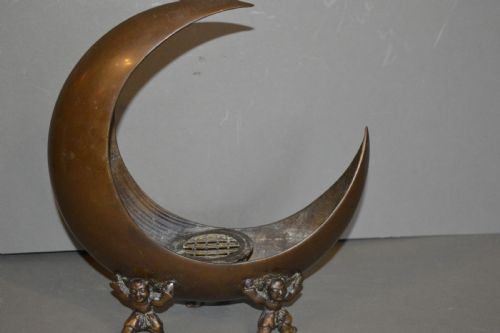


Bronze Koro Censer
A bronze koro censer brings ancient ritual form and exceptional metalwork into the home, offering both sculptural presence and traditional fragrance.
Bronze Koro Censer
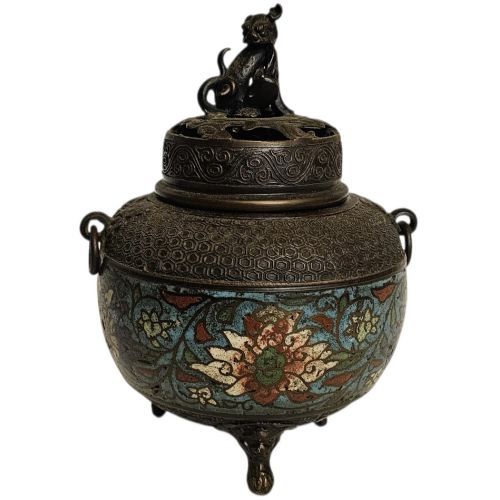
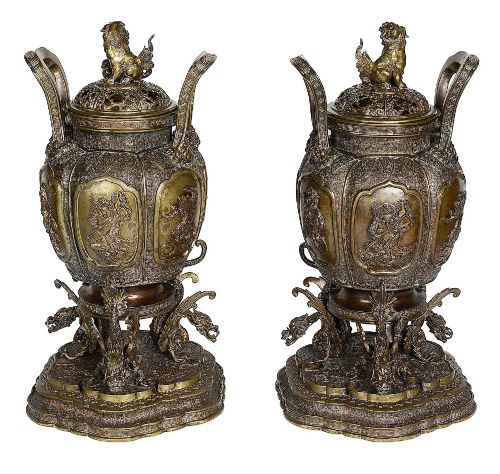
A bronze koro censer is a traditional vessel designed for burning incense, taking forms that range from classic tripod urns to unusual shapes like crescent moons and hanging boats. These pieces primarily originate from Japanese and Chinese traditions, spanning the nineteenth century through the Taisho period.
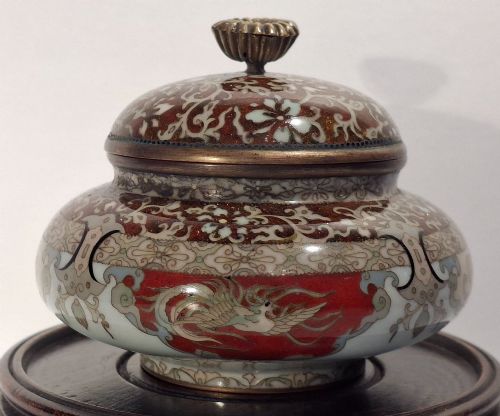
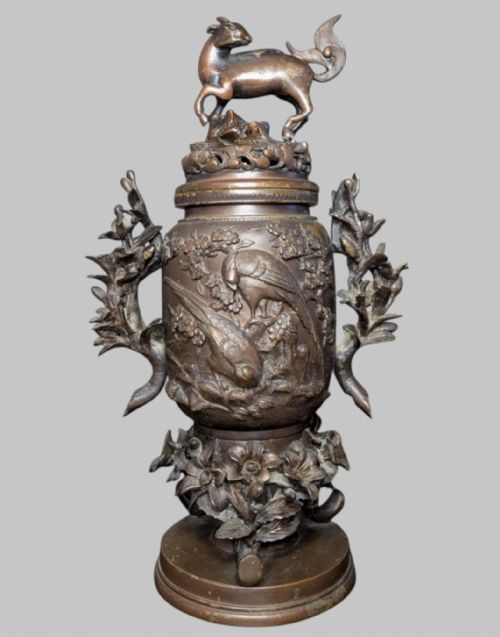
The version most frequently met on this page is the Japanese bronze or cloisonne enamel incense burner, often featuring detailed animal finials or intricate surface decoration. They combine utilitarian function with ornamental metalwork, serving as distinct decorative objects.
How they were made
Makers utilised bronze, copper, and gilt bronze as foundational metals, shaping vessels through casting and detailed surface work. Artisans frequently applied cloisonne enamel, gold leaf, and delicate cord details to enrich the exterior surfaces.
Techniques combined metal casting with intricate enamelling and precious metal applications. Elements such as goats and other figural finials were cast separately and integrated into the lidded urns.
Bronze Koro Censer Retail Price Guide 2026
Typical asking prices for bronze koro censer among the pieces listed under this phrase on Sellingantiques today, from the lower quarter to the upper quarter. They describe what is for sale here now, not the wider market.
Listings feature items from the nineteenth century up to 1920, incorporating bronze, enamel, copper, and earthenware.
What varies in quality
Quality rests in the precision of the casting and the crispness of any decorative enamel work. The refinement of figural elements, such as animal finials, distinguishes finer vessels from standard production.
Material combination also drives distinction, particularly where silver, gold leaf, or multi-coloured cloisonne enamel integrate cleanly with the bronze body. The balance of the overall silhouette, whether standard lidded urn or crescent shape, dictates visual success.
Tsukamoto Hikokichi·Kizan
The Bronze Koro Censer Glossary
- Koro
- A traditional East Asian incense burner. These vessels typically feature a lidded body supported by feet or designed for suspension.
- Cloisonne enamel
- A technique where decorative metal wires are soldered to a metal base to create cells, which are then filled with enamel paste and fired. This method produces vibrant, patterned surfaces.
- Finial
- An ornamental crowning detail placed on the lid of a vessel. On these pieces, they frequently take the form of animals such as goats.
- Meiji period
- A historical Japanese era spanning from 1868 to 1912. Metalwork from this timeframe is noted for exceptional technical mastery and detail.
Bronze Koro Censer: Frequently Asked Questions
What is a bronze koro censer?
It is an lidded vessel created for burning incense, combining metal casting with decorative elements like enamel and figural finials.
Originating mainly from Japanese and Chinese workshops, these pieces function as both ritual items and decorative sculptures.
How were these censers used?
They were utilised for burning aromatic incense during ceremonies or within domestic spaces to perfume the air.
The lidded design allowed smoke to drift gracefully through perforations while containing the embers safely inside.
How do I date a bronze koro?
Dating relies on stylistic markers, manufacturing materials, and historical periods such as the Meiji or Taisho eras.
Examining the complexity of the cloisonne enamel and the casting style helps place the piece within the nineteenth or early twentieth century.
Where do bronze koro censers originate?
The pieces seen here stem primarily from Japanese and Chinese traditions. Japanese examples often reflect Meiji period metalwork techniques.
Chinese Qing style examples also appear, showing distinct decorative traditions in cloisonne and form.