



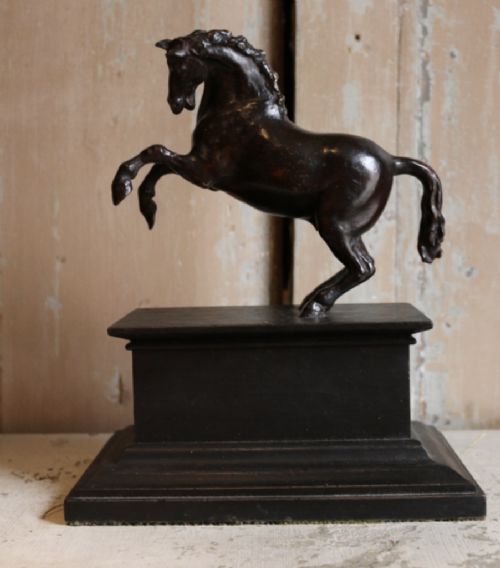


Bronze Horse Art
Bronze horse art brings sculptural weight and equestrian movement into a room, spanning periods from the seventeenth century to later than nineteen sixty.
Bronze Horse Art
Bronze horse art encompasses sculptures, statues, table lighters, and wall relief plaques depicting equines across various centuries. Buyers examining bronze horse art encounter works ranging from seventeenth-century pieces to mid-twentieth-century designs.
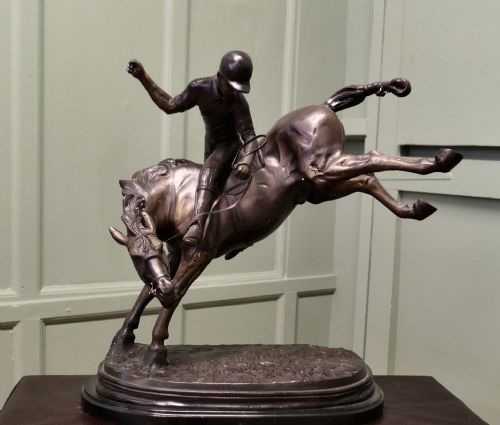
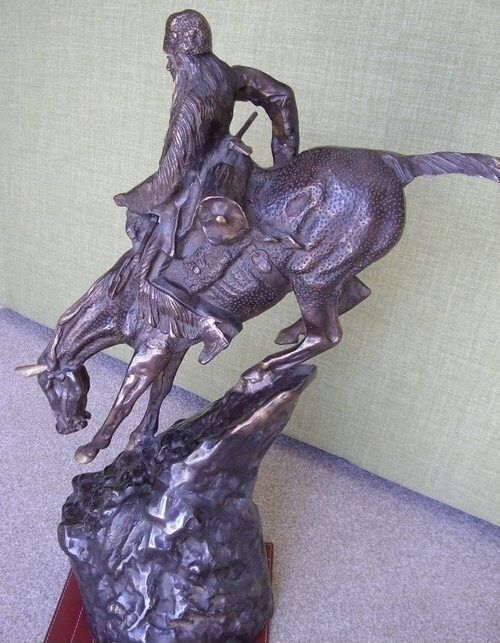
The objects take forms such as polo players, rearing stallions, bucking broncos, and cob horses trotting. French school influences and Western Americana styles appear frequently alongside Art Deco interpretations.
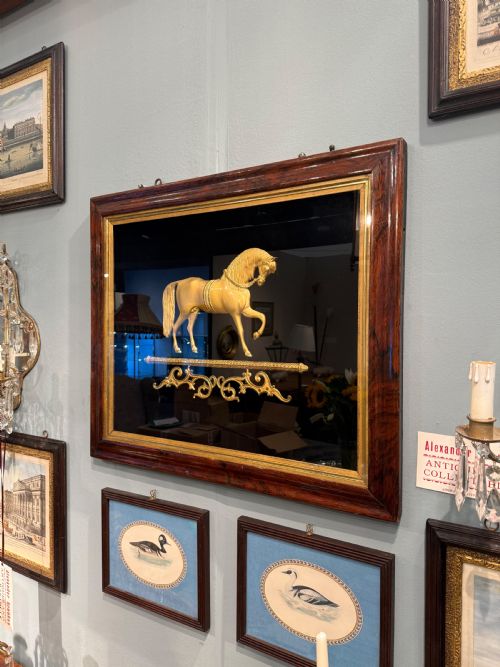
Materials extend beyond pure metal to include combinations with marble, rosewood, wood, glass, and stone. Many items stand independently as statues or relief plaques mounted within frames.
How they were made
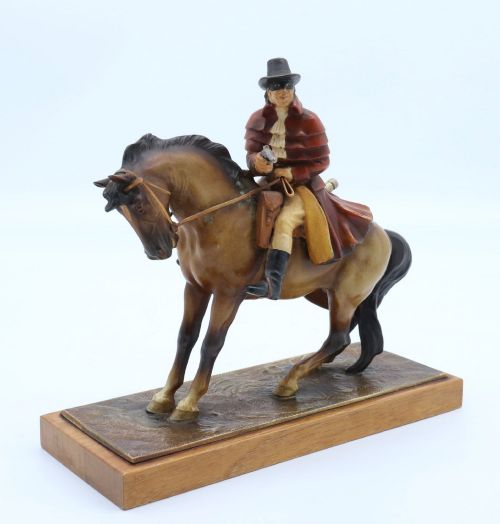
Makers utilised cast bronze, sometimes applying gilt finishes or cold-painted techniques to the metal surface. Certain pieces integrate wooden elements like rosewood frames or solid wood mounts to support the metallic figures.
Marble and stone often serve as heavy bases for equestrian sculptures, providing stability for rearing or bucking postures. Glass and mixed metals appear in specific functional items such as table lighters.
Bronze Horse Art Retail Price Guide 2026
Typical asking prices for bronze horse art among the pieces listed under this phrase on Sellingantiques today, from the lower quarter to the upper quarter. They describe what is for sale here now, not the wider market.
Dick Turpin occasionally stands ready to light a cigarette rather than flee the law.
What varies in quality
The fidelity of anatomical detail in the muscle structure and movement of the horse distinguishes superior castings. Finer works capture the tension in a rearing posture or the precise gear of a polo player.
The integration of secondary materials such as marble bases and rosewood frames affects the overall presence of the object. Signed pieces by identified sculptors carry distinct provenance compared to anonymous foundry work.
Luigi Secchi·Muñoz·Frederic Remington·Philip Blacker·Xavier Raphanel
The Bronze Horse Art Glossary
- Bronze
- An alloy consisting primarily of copper, traditionally used for durable and detailed metal casting. It develops a natural patina over time.
- Gilt bronze
- Bronze that has been coated with a thin layer of gold or gold leaf. This technique enhances the decorative sheen of the object.
- Cold-painted metal
- Metal objects painted with non-fired colours after the casting process is complete. This finish requires careful preservation to prevent flaking.
- Relief plaque
- A wall-mounted artwork where the sculptural figures project from a flat background. These pieces are often framed in wood.
- Patina
- The surface coloration and sheen that forms on bronze through age and environmental exposure. Collectors value original patinas for their authenticity.
Bronze Horse Art: Frequently Asked Questions
What periods do these sculptures cover?
The selection includes seventeenth-century castings alongside Victorian and twentieth-century interpretations. Art Deco and nineteenth-century realism styles represent significant portions of the available range.
Later pieces extend past nineteen sixty, showing how equestrian themes persisted through modern design movements.
How are these pieces displayed at home?
Smaller statues and table lighters sit naturally on desks, sideboards, or bookshelves. Larger figures require dedicated floor space or sturdy pedestals to support their substantial weight.
Wall relief plaques need secure fixings into masonry or timber due to the heft of metal and wooden frames.
Are these works signed by artists?
Certain examples bear signatures from named sculptors or foundry marks on the base or body. Other pieces remain anonymous or follow known styles, such as Bugatti-inspired designs.
Signatures provide direct attribution to historical makers and individual workshops.
What materials accompany the bronze?
Sculptors frequently mounted bronze figures onto marble bases or set them within rosewood frames. Wood, stone, and glass also appear as supporting elements in various table items and plaques.
Some objects utilise cold-painted metal or gilt surfaces rather than standard dark bronze patination.