

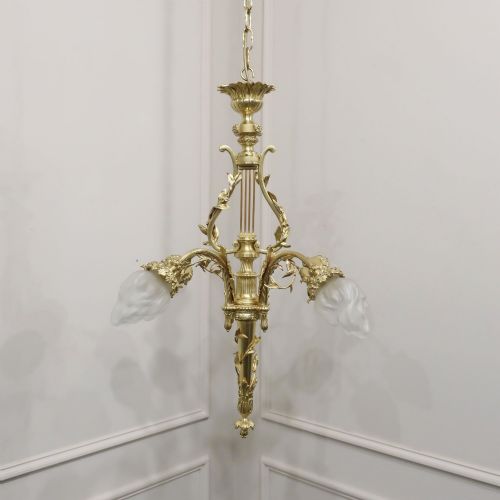
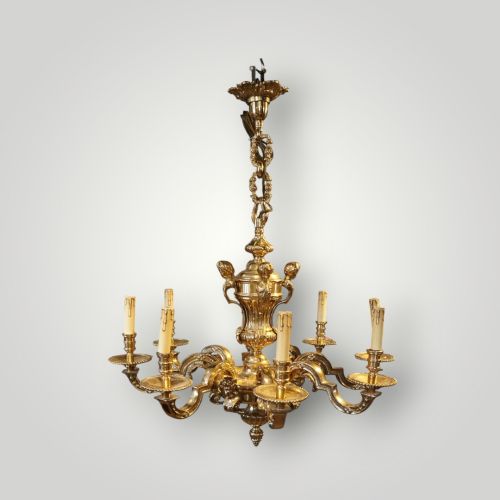
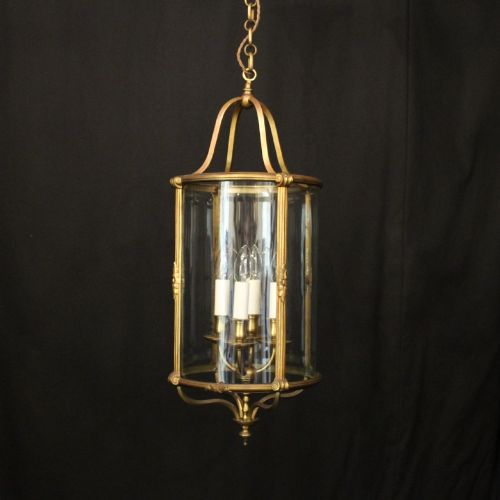
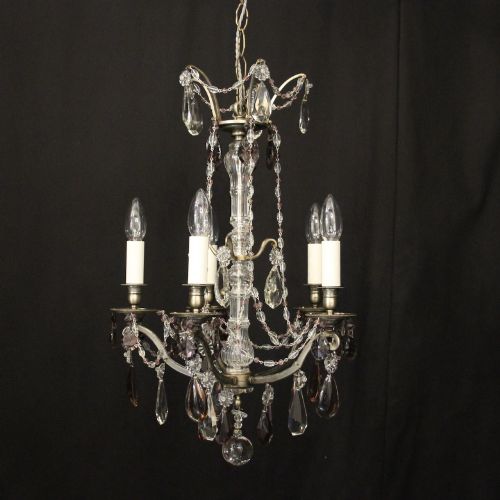


Bronze Hanging Lamp
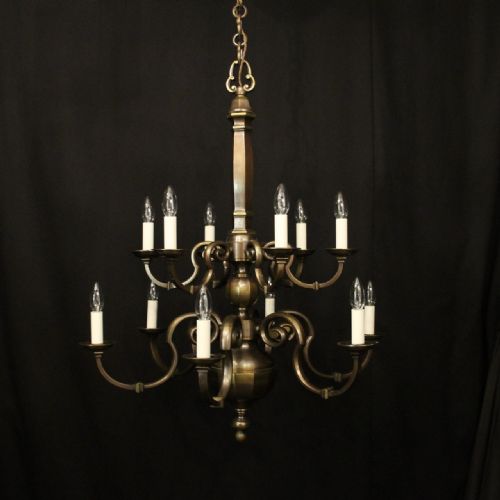
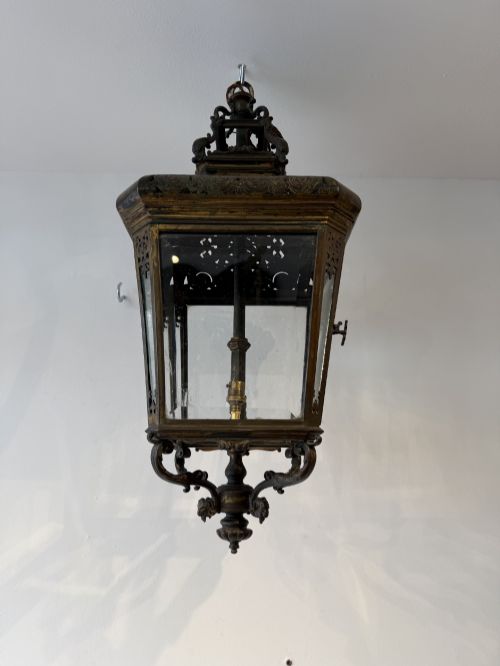
A bronze hanging lamp brings architectural weight and warm illumination to high ceilings, offering period character through patinated metal and glass.
Bronze Hanging Lamp
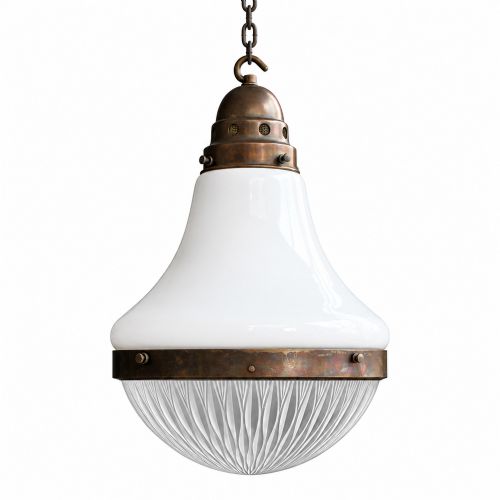
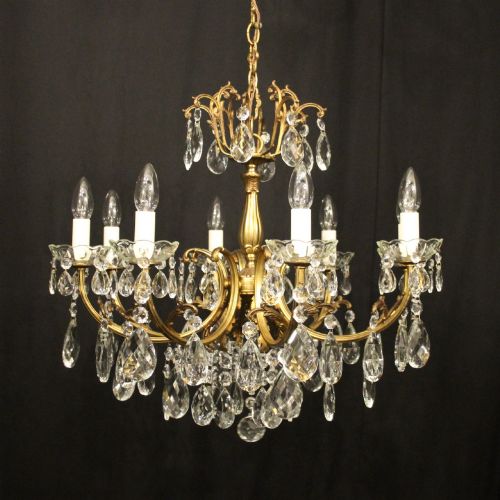
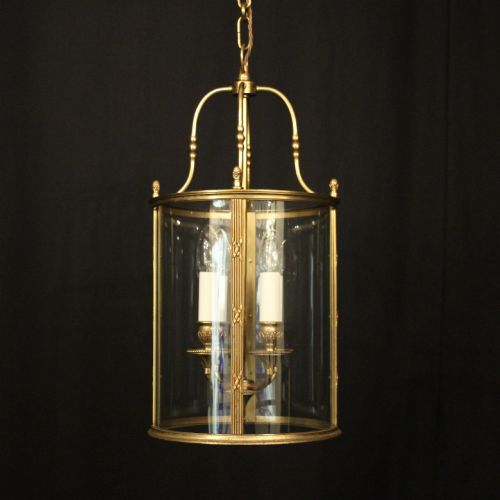
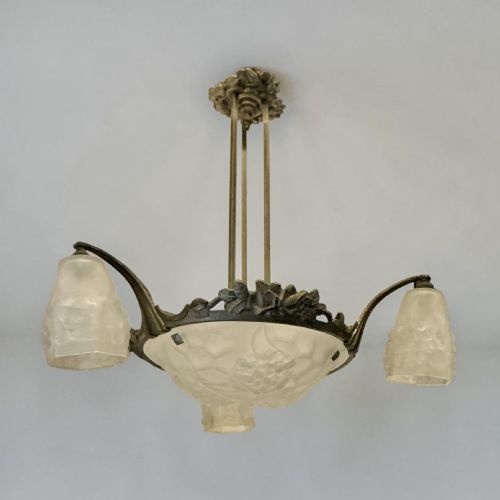
When you search for a bronze hanging lamp, you encounter a diverse array of ceiling lighting, including chandeliers, hall lanterns, and pendant lights. These pieces originate from various periods spanning the nineteenth century through the 1930s, reflecting Victorian, Edwardian, and Art Deco aesthetics.
French workshops dominate the selection, producing ornate gilt bronze and crystal chandeliers alongside restrained neoclassical and empire designs. Alongside these grand fittings, English and Italian pieces introduce alternative interpretations, such as cast brass and bronze oil lamps and hall lanterns.
The category encompasses everything from multi-arm candle and electric chandeliers hung with glass drops to single-light frosted glass shades and ceremonial censers adapted for suspension. Each form serves to anchor a room's interior scheme with substantial metalwork and decorative glass.
Materials and construction methods
Maker workshops utilised cast bronze, brass, and gilt bronze to form the primary structural frameworks and decorative arms of these luminaires. Metal components were frequently chased, patinated, or silver-gilded to achieve varied surface textures and tonal richness.
Transparent and frosted glass elements, including cut glass shades and crystal drops, were integrated into the metal frames to diffuse and refract light. These glass components range from simple blown bowls to complex moulded shades secured by bronze mounts and rams head fixtures.
An eighteenth or nineteenth-century Italian bronze lucerna lamp once served to illuminate a room with burning oil.
Distinguishing quality in period lighting
The distinction between standard production and exceptional execution lies in the crispness of the metal casting and the depth of the chasing. Superior pieces display sharply defined ornamentation on the bronze elements, whereas lesser examples show softened detail from worn moulds.
Integration of materials also dictates standing, with top-tier examples employing heavy cast bronze paired with high-grade cut crystal rather than light sheet brass and pressed glass. The structural integrity of the suspension points and the complexity of the arm configurations further separate ordinary light fittings from masterworks.
G.E.C
The Bronze Hanging Lamp Glossary
- Gilt bronze
- Metal coated with a thin layer of gold, providing a bright, durable finish that resists tarnishing. This technique was widely utilised in French neoclassical and empire lighting.
- Chandelier
- A branched ceiling-mounted lighting fixture designed to hold multiple lights. These pieces frequently incorporate crystal drops and glass shades.
- Hall lantern
- An enclosed hanging light traditionally used in entrance passages and stairwells. They combine metal frames with glass panels to shield the light source.
- Colza
- A vegetable oil used as fuel in nineteenth-century lamps before the widespread adoption of paraffin and electricity. Lamps designed for this fuel often feature specific reservoir and burner assemblies.
- Frosted glass
- Glass treated to impart a cloudy or opaque surface, softening the glare from internal light sources. It appears frequently in Edwardian and Art Deco fixtures.
Bronze Hanging Lamp: Frequently Asked Questions
How do I clean an antique bronze hanging lamp?
Maintenance requires gentle dusting with a soft brush to protect the patinated surface and delicate glass elements. Avoid abrasive polishes that strip historical finishes from the metal.
Crystal drops and glass shades can be washed separately in lukewarm soapy water before being dried thoroughly and reattached to the frame.
Can these old lanterns be wired for modern electricity?
Most hanging lamps from the Victorian, Edwardian, and later periods adapt readily to contemporary electrical standards. Qualified professionals can run modern internal wiring through the original bronze tubes and candle tubes.
Rewiring preserves the exterior aesthetic while ensuring the fixture meets current safety requirements for domestic installation.
What rooms suit a large bronze chandelier?
Grand multi-arm chandeliers and heavy hall lanterns require spaces with generous ceiling heights to allow proper suspension clearance. Dining rooms, entrance halls, and drawing rooms provide the necessary volume to support substantial metal and crystal fixtures.
Smaller pendant lights and single-light lanterns adapt more easily to compact corridors or low-ceilinged studies.
How do I date a bronze hanging lamp?
Dating relies on stylistic clues, such as the symmetrical restraint of nineteenth-century neoclassical pieces versus the geometric lines of 1930s Art Deco designs. Material combinations, manufacturing techniques, and mounting hardware also offer chronological markers.
Comparing construction details with documented examples from periods like the Edwardian era helps narrow down the origin year.