



Bronze Hall Light
A bronze hall light defines an entrance, bringing warm illumination and architectural presence through centuries of design.
Bronze Hall Light
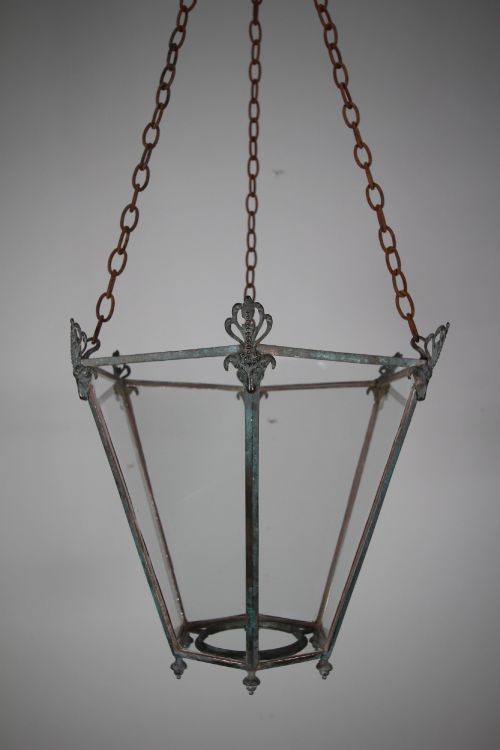
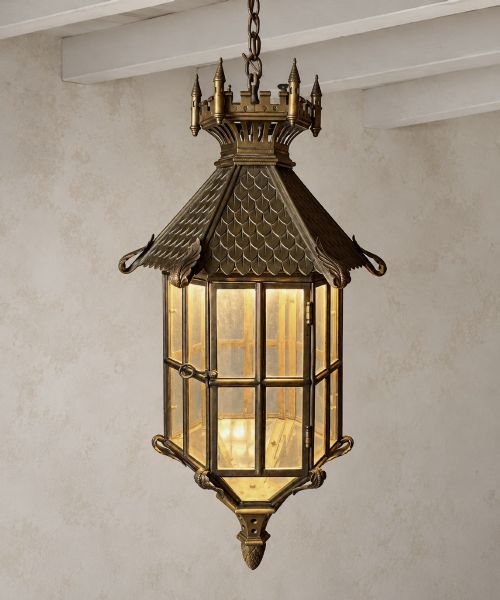
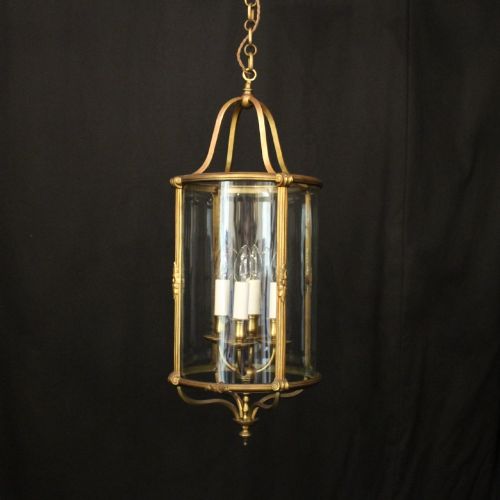
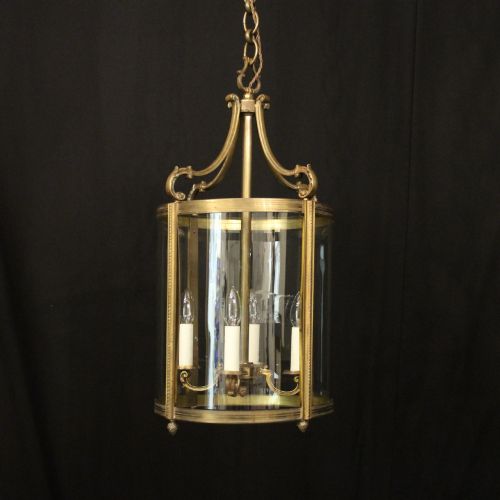
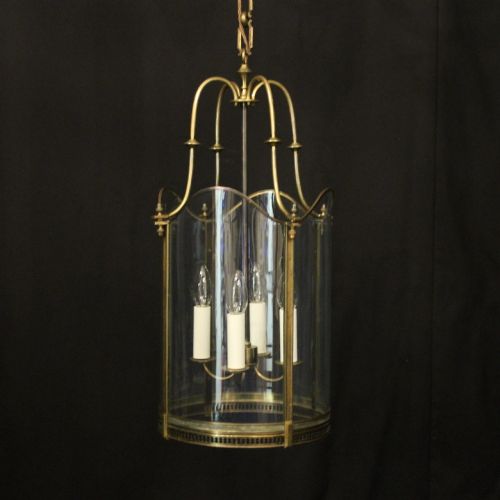
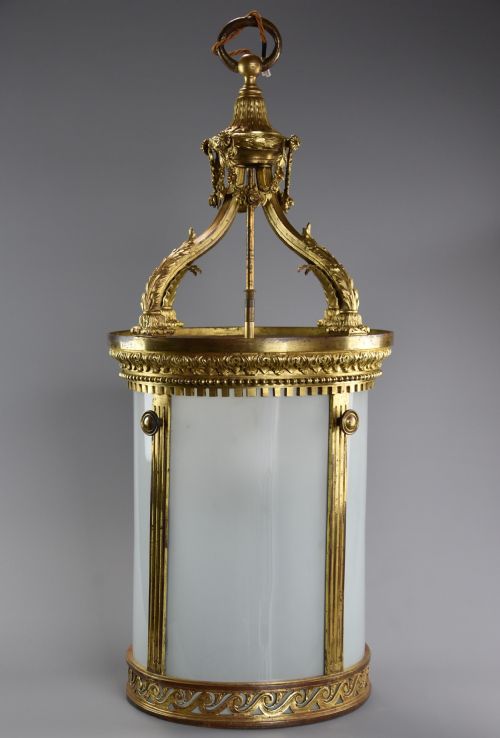
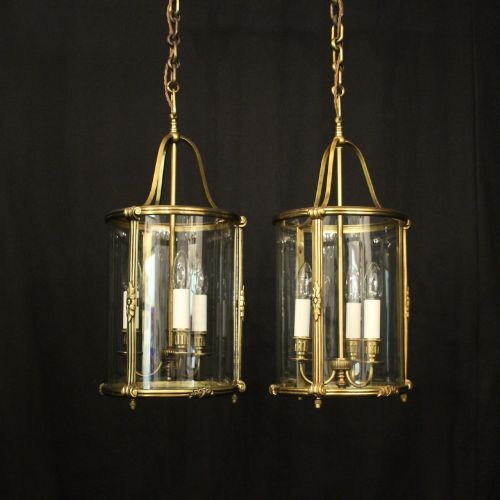
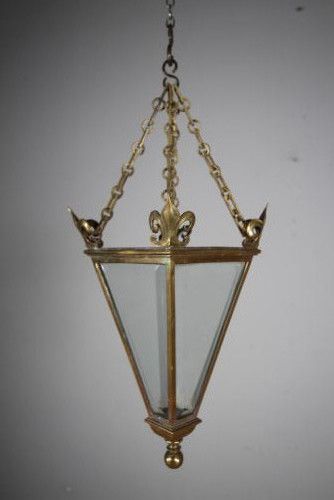
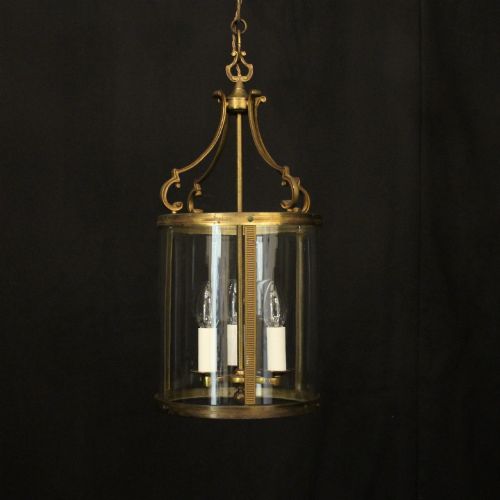
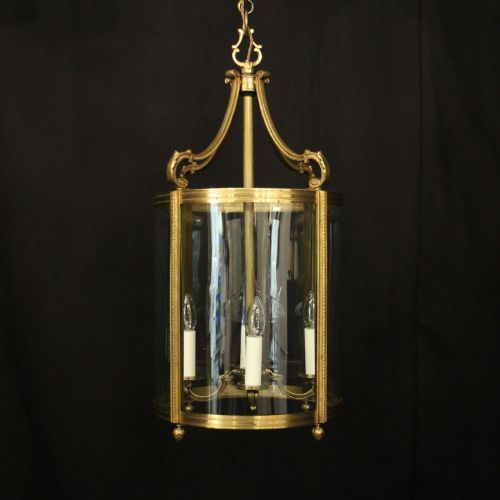
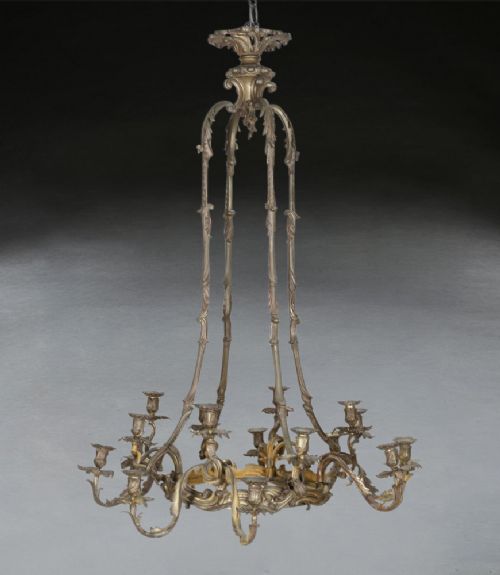
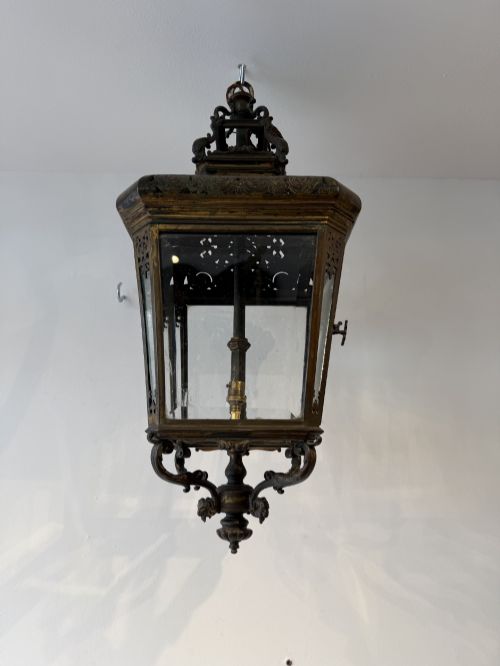
A bronze hall light is primarily encountered here as a hanging hall lantern, suspended from ceilings to illuminate entranceways and corridors. These fixtures emerge across the nineteenth and early twentieth centuries, reflecting diverse periods from the Victorian era to the nineteen-twenties.
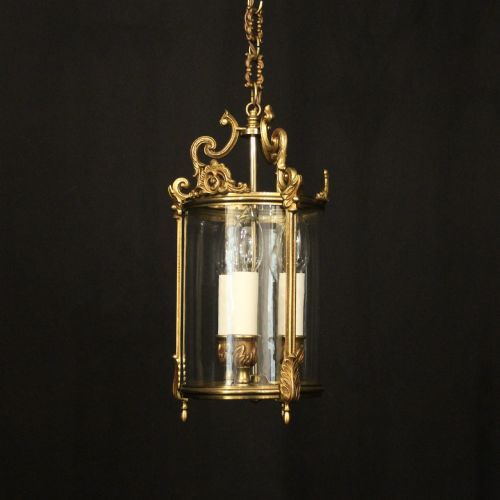
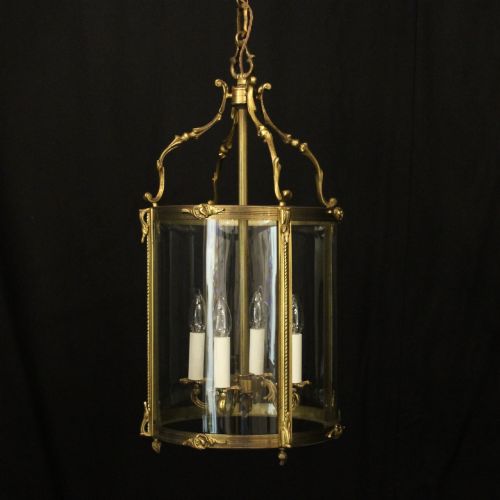
The majority of these pieces adopt French origins, displaying styles such as Louis XVI, Neoclassical, and Rococo Revival. Forms range from single-light pendants to grand multi-light configurations enclosed in glazed panels.
Beyond lanterns, the selection encompasses related ceiling lights, chandeliers, and wall sconces sharing similar metalwork and period characteristics. Each piece is designed to command attention in a hallway or vestibule without overwhelming the passage.
Materials and Construction
Metalwork relies fundamentally upon bronze, brass, and gilt or silver-gilded bronze, often cast into ornate frames and structural mounts. Wrought iron also appears alongside ormolu details, creating durable frameworks for exterior or interior use.
Glass panels - frequently convex, bevelled, or opaline - are fitted tightly into the metal cages to diffuse the internal glow of candles or early electric bulbs. These materials combine to balance structural weight with luminous transparency.
Bronze Hall Light Retail Price Guide 2026
Typical asking prices for bronze hall light among the pieces listed under this phrase on Sellingantiques today, from the lower quarter to the upper quarter. They describe what is for sale here now, not the wider market.
Several pieces were once lit by candles before enduring later conversions to gas and electricity.
Assessing Quality and Execution
Quality rests in the crispness of the casting and the depth of the gilding applied to the bronze or brass framework. Finer examples display meticulous chiselling across decorative motifs, whereas lesser pieces show softer, flatter surface details.
The choice and execution of the glass panels further divide standard production from exceptional work. Thick, bevelled, or convex panes demonstrate greater craftsmanship than thin, plain glass inserted simply into basic frames.
Perry & Co
The Bronze Hall Light Glossary
- Ormolu
- Gilded bronze, usually referring to a finely ground gold-mercury amalgam applied to a bronze base. This technique creates a rich, enduring metallic surface seen on French revival pieces.
- Convex glass
- Curved glass panes that project outward from the lantern frame. They catch and refract light differently than flat panels.
- Hall lantern
- An enclosed hanging light fixture designed specifically for passageways and entrances. They often feature hinged doors for internal access.
- Opaline glass
- A milky, semi-translucent white glass popular in the nineteenth century. It diffuses light into a soft, even glow.
- Louis XVI style
- A neoclassical design movement emphasising straight lines, symmetry, and classical restraint. It heavily influences many nineteenth-century French bronze fixtures.
Bronze Hall Light: Frequently Asked Questions
How were these hung?
These lanterns typically suspend from matching chains or rods attached directly to a ceiling canopy. The weight of the bronze and glass requires secure anchorage into ceiling joists.
Shorter drops suit standard ceiling heights, while grander stairwells utilise longer chains to position the light at an appropriate viewing level.
Can they take modern bulbs?
Most antique fixtures are adapted for modern electrical wiring while preserving their historic exterior appearance. Electric lamp holders sit discreetly inside the original candle sockets or frames.
Consulting a professional electrician ensures that the internal wiring meets safety standards without compromising the integrity of the antique metalwork.
What styles are common?
French chateau, Neoclassical, and Rococo Revival dominate the aesthetic vocabulary of these fixtures. These styles bring ornate symmetry, acanthus leaves, and classical urn motifs into domestic spaces.
Victorian English designs tend toward simpler geometric forms, though heavily gilded and cast examples remain prominent across the period.
How do I date a lantern?
Dating relies upon examining the casting methods, the mounting hardware, and the style of the glass panels. Nineteenth-century examples often show hand-finished chasing on the bronze.
Later twentieth-century iterations display subtle shifts in assembly techniques and wiring channels, alongside distinct revival aesthetics from the era.