




Bronze Floral Light
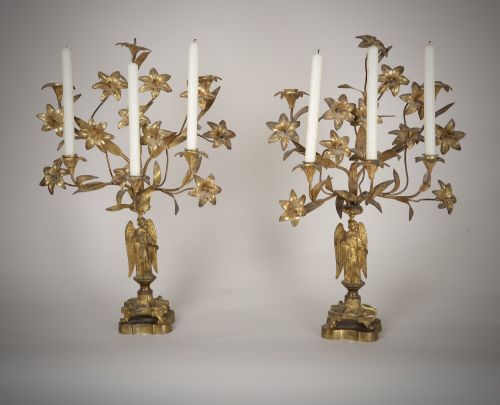
These bronze floral light fixtures bring classical illumination to a room through cast metal and decorative detail.
Bronze Floral Light
A bronze floral light brings together cast metal figures, candle branches and wired illumination across styles spanning the eighteenth century to the 1930s. Buyers look for these pieces to add period character and functional warmth to interior spaces.
The selections on this page lean heavily towards French aesthetic traditions, including Louis XVI style, Art Nouveau and Rococo Revival. Candelabra, table lamps and chandeliers dominate the offerings, often incorporating figural elements such as cherubs.
Dating ranges from eighteenth century porcelain mounted pieces through nineteenth century productions up to twentieth century brass lanterns. Many items combine metalwork with porcelain birds, ceramic bodies or marble bases.
How They Were Made
Workshops utilised bronze, patinated bronze, ormolu and brass as the foundational structural metals for casting frames, cherubs and floral motifs. Artisans frequently combined these metallic elements with carved marble bases, onyx sections and fabric components.
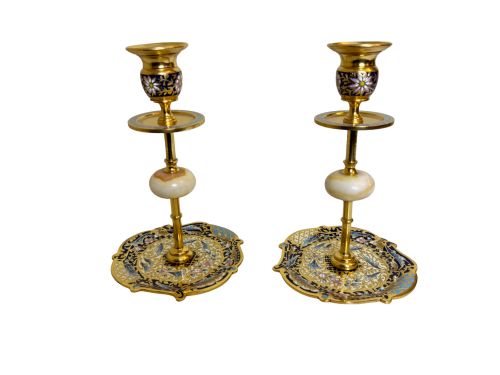
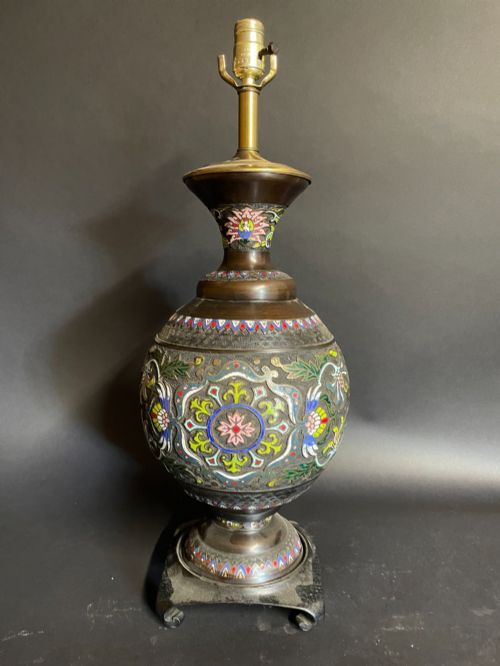
Surface decoration involved gilding, enamelling and champleve techniques alongside hand-painted porcelain bodies from factories such as Meissen and Sevres. Mounts and candelabra arms were cast separately and joined by threaded pins or screws.
Bronze Floral Light Retail Price Guide 2026
Typical asking prices for bronze floral light among the pieces listed under this phrase on Sellingantiques today, from the lower quarter to the upper quarter. They describe what is for sale here now, not the wider market.
Listings feature items from the 18th century through the 1930s, utilising bronze, marble, porcelain and fabric.
What Varies in Quality
The integration of mixed materials alters the overall character, where fine porcelain inserts, genuine onyx sections or cloisonne work elevate the piece. Heavier gauge metal bases and robust structural assembly separate substantial display items from lighter domestic fixtures.
Abel Landry·Meissen·Samson
The Bronze Floral Light Glossary
- Ormolu
- Gilt bronze produced by applying a mercury and gold amalgam to a bronze base and firing it in a kiln. This technique creates a rich golden finish characteristic of French decorative arts.
- Champleve
- An enamelling technique where troughs or cells are hollowed out of the metal surface and filled with vitreous enamel before firing. It creates vibrant coloured patterns across candlesticks and mounts.
- Candelabra
- A branched candlestick designed to hold multiple candles simultaneously. Many surviving examples later received electrical wiring to function as table lamps.
- Pate-sur-pate
- A ceramic decoration method where wet porcelain slip is built up in successive layers on a contrasting body to create a low relief cameo effect.
- Patinated bronze
- Bronze treated with chemical solutions to produce a darkened or aged surface coloration. This finish highlights the underlying contours of sculptural figures and foliage.
Bronze Floral Light: Frequently Asked Questions
How do I convert an old candelabra?
Many antique candelabra arrive ready for placement or wired for electricity, while others retain their original candle sockets. Conversions generally involve running discreet internal wiring through the central stem without altering the exterior bronze work.
Professional electricians should handle antique metal fixtures to ensure the wiring meets current safety standards. Retaining original fittings whenever possible preserves the historical integrity of the piece.
Where should I place a bronze lamp?
These lamps function well on heavy wooden sideboards, entrance consoles or living room mantelpieces where their weight provides stability. Their decorative mounts and metallic finishes catch natural daylight and evening illumination alike.
Keep them away from damp environments and direct heat sources to protect any integrated porcelain, marble or fabric elements. Stable surfaces ensure these substantial pieces remain secure.
How do I clean patinated bronze?
Dust bronze and ormolu surfaces gently with a soft dry brush or microfiber cloth to prevent dirt accumulation in recessed floral details. Avoid abrasive cleaners, commercial metal polishes and harsh chemicals that can strip away historic patina or gilding.
Professional conservation advice is recommended if a piece requires deeper cleaning or restoration of the metal surface. Regular gentle dusting remains the safest maintenance routine.
How do I identify Louis XVI style?
Louis XVI style pieces display classical symmetry, straight tapering legs, ribbon twists and formal acanthus leaf decoration. This aesthetic emerged in opposition to the asymmetry of earlier Rococo designs.
Look for architectural lines, urn motifs and disciplined floral garlands in the metal casting. These elements signal the neoclassical influence characteristic of late eighteenth and nineteenth century revivals.