

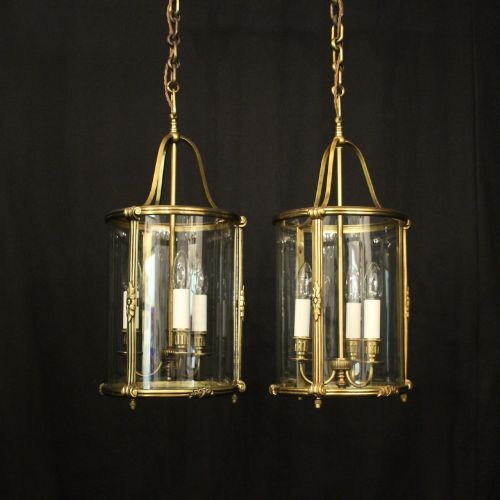
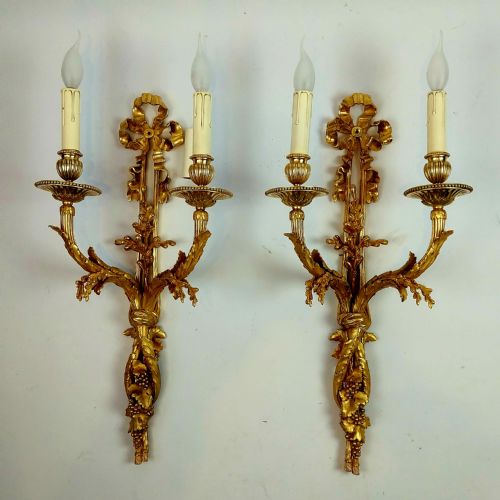
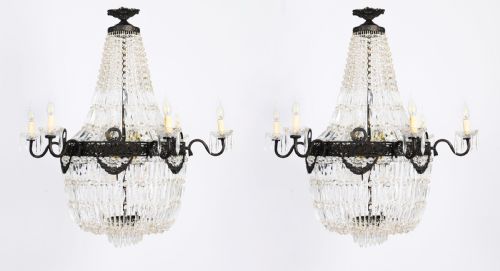
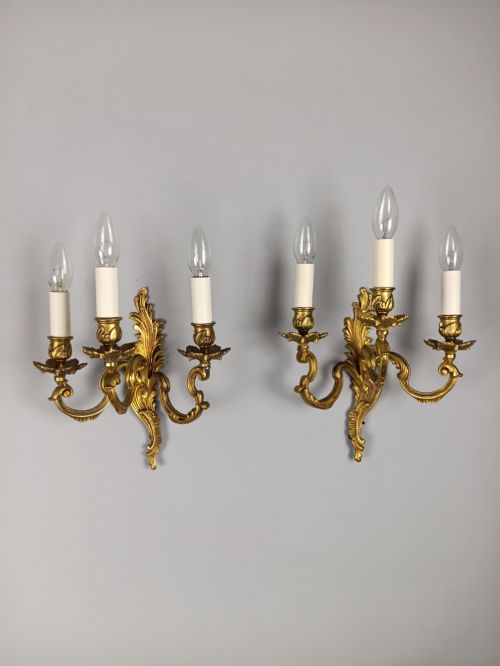

Bronze Fixture Pairs
Bronze fixture pairs bring symmetry and period character to interiors through matched sets of chandeliers, wall lights, and lanterns.
Bronze Fixture Pairs
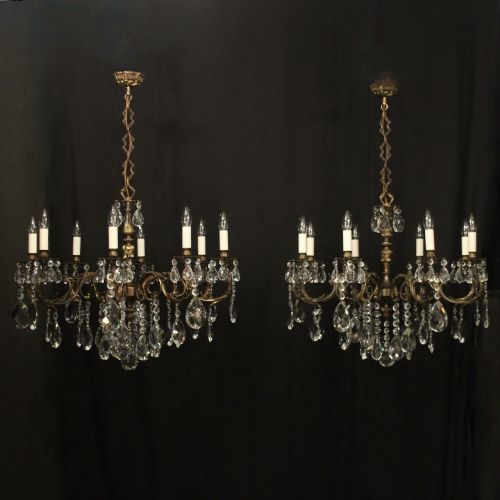
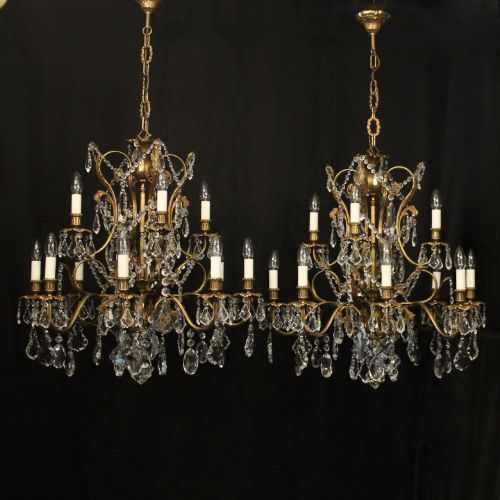
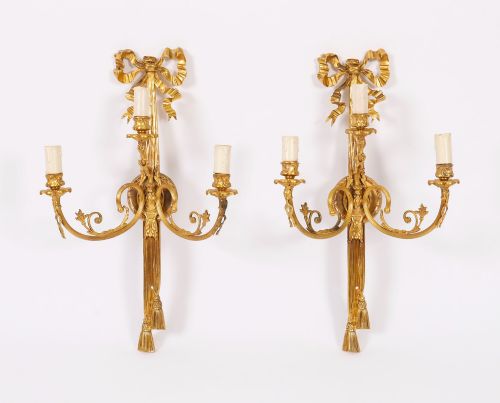
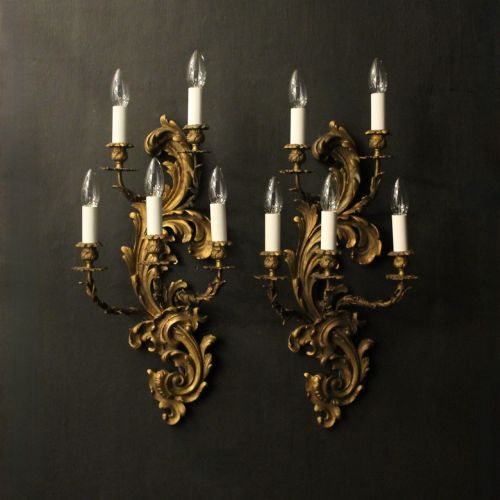
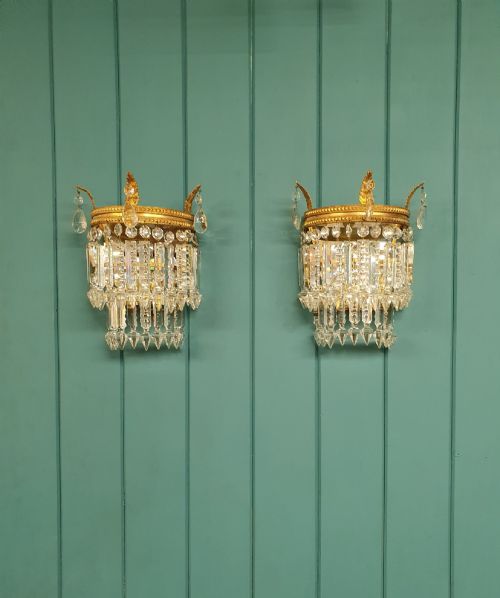
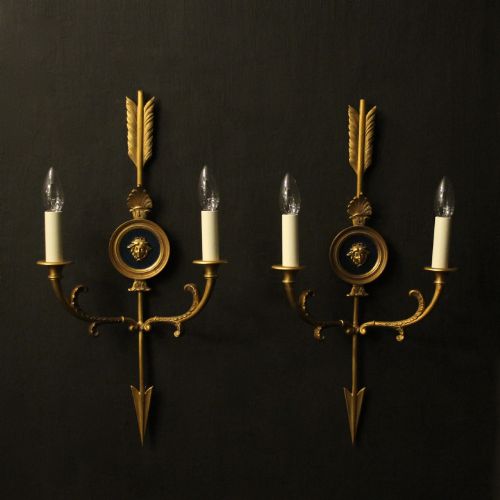
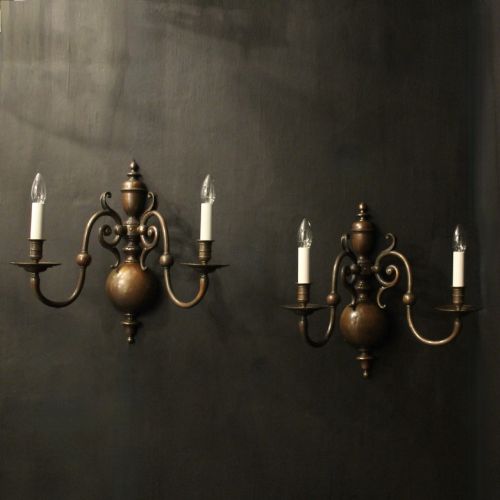
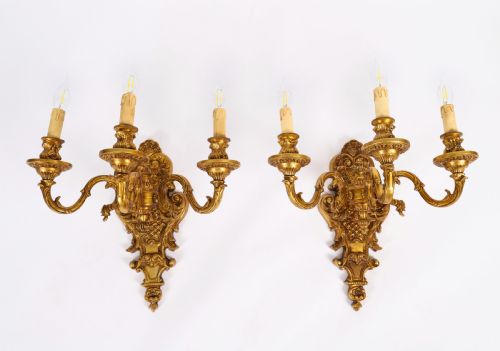
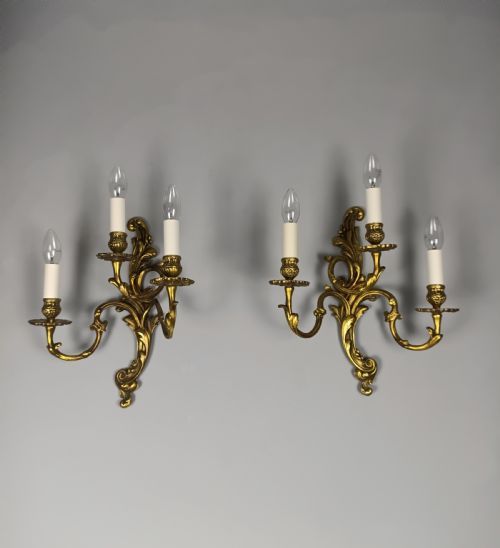
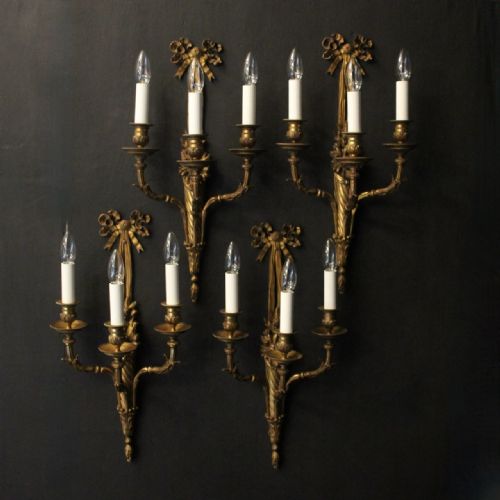
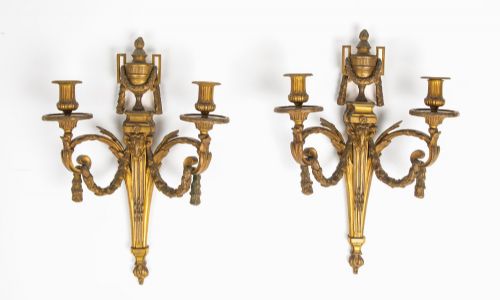
Bronze fixture pairs comprise matching sets of lighting hardware, most commonly encountered here as French and English wall lights, sconces, and chandeliers. These pieces date from the nineteenth century through the early decades of the twentieth century, encompassing Victorian, Art Nouveau, and revivalist interior schemes.
The selection centres heavily on wall sconces and multi-light chandeliers finished with gilt, ormolu, or patinated surfaces. Buyers seeking coordinated illumination for symmetrical spaces will find numerous examples of twin-arm and multi-branch configurations originating from continental and domestic workshops.
How they were made
Foundry work relied on casting bronze, brass, and metal components, which were subsequently chased, polished, or fire-gilded to create the ormolu finishes seen on many surviving examples. Frames often integrated glass drops, crystal prisms, and cut glass elements to refract light from multiple candle or electric bulb points.
Assembly involved mechanical fixings to join cast arms, backplates, and central stems securely together. Many surviving fixtures incorporate historic conversions from original candle burning to gas or electricity.
Bronze Fixture Pairs Retail Price Guide 2026
Typical asking prices for bronze fixture pairs among the pieces listed under this phrase on Sellingantiques today, from the lower quarter to the upper quarter. They describe what is for sale here now, not the wider market.
Materials recorded across current stock include cast bronze, gilded brass, cut crystal, and patinated metal.
What varies in quality
The crispness of the metal chasing determines much of the visual depth, where sharper surface detailing and heavier cast sections separate finer output from simpler commercial production. Superior examples retain original fire gilding or complex patination rather than flat modern plating.
Proportion and structural integrity of the matched arms dictate the overall balance of the pair. Uniformity across both pieces indicates careful original pairing from the workshop rather than assembled components.
F and C Osler·Liberty·François Christophe Armand Toussaint
The Bronze Fixture Pairs Glossary
- Ormolu
- Finely ground high-carat gold applied to a bronze base using a mercury amalgamation process. This technique produces a durable, warm metallic lustre characteristic of eighteenth and nineteenth century French metalwork.
- Appliqué
- A wall-mounted light fitting designed to fix directly onto wood panelling or plastered surfaces. These fixtures typically feature one or more projecting candle arms.
- Chasing
- The manual metalworking process of refining a cast bronze surface using small punches and hammers. Skilled chasing adds texture, depth, and sharp contours to decorative motifs.
- Patination
- The surface colour and texture developed naturally through age or applied chemically by the maker. On bronze, patination ranges from dark brown to green and black tones.
- Tent chandelier
- A lighting form featuring strings of cut crystal beads draped in a tent-like configuration above the main body. This design creates increased light refraction.
Bronze Fixture Pairs: Frequently Asked Questions
How do I install antique bronze lights?
Professional installation by a qualified electrician ensures that historic wiring or converted fittings meet current safety standards. Wall-mounted fixtures require secure anchoring to wall studs or noggin pieces to support the weight of the metal and crystal components.
Matching backplates should be checked against existing wiring junction boxes before mounting. Rewired fixtures simplify the integration into modern domestic circuits.
How do I clean gilded bronze surfaces?
Dusting gently with a soft dry brush prevents the accumulation of grime within the chased recesses of the metal. Avoid abrasive cleaners or metal polishes that strip historic gilding and surface patination.
Crystal drops and glass components can be washed in warm soapy water after removal from the main frame. Ensure all parts are thoroughly dried before reassembly.
How do I date an antique bronze fixture?
Stylistic indicators such as Rococo revival scrolls or Art Nouveau botanical asymmetry provide initial chronological markers. Construction methods, including the type of screw threads, casting seams, and mounting brackets, offer further evidence of period manufacture.
Comparing the casting quality and mounting hardware against documented pieces helps narrow down the decade of production. Many pieces carry French or English registry marks or workshop stamps.